
Vandaag of morgen in huis

Kwaliteit gegarandeerd

Welkomstaanbiedingen ontgrendelen: GRATIS bezorging | Tot 80% korting | Gratis 30 dagen JoyPlus-proefperiode
Download de app
Choosing a new pair of sneakers seems straightforward. Yet many disappointing purchases are caused by marketing terms that say little about everyday use. For example, a sole with “cushioning” may feel comfortable, but still not suit your foot or the way you walk. A lightweight shoe is not automatically suitable for running either.
With this guide, you can compare men’s sneakers, women’s sneakers, sports shoes and running shoes based on features you can check in advance.
A Memory Foam insole may feel soft when you put the sneaker on. That does not automatically mean the shoe provides enough support or room. Also consider the width, the shape of the toe box and whether your toes can still move freely.
With various Skechers sneakers, such as the Burns and Track-Ripkent, the product information states that the insole is not removable. This is important if you use your own insoles or need extra room.
Mesh and textile generally allow more air to pass through than fully enclosed synthetic materials. This makes them practical for warm days, walking or indoor training. Breathable does not, however, mean waterproof. For Dutch autumn weather, you need a model with a suitable protective outer layer; always check this in the product specifications.
A running shoe designed for tarmac has different features from a model for trail or mixed terrain. Look at the outsole tread, flexibility and type of midsole. A chunky rubber sole can be useful on loose ground, while a smoother tread may be more comfortable on city pavements.
The midsole largely determines how the shoe feels while walking or running. Common materials include EVA, Cloudfoam, Dreamstrike and brand-specific cushioning technologies. These names describe the construction or technology, but do not by themselves indicate how comfortable a model will be for you.
Look out for:
Neutral cushioned running shoes are a logical category when you are specifically looking for a neutral model with cushioning.
An upper made from mesh or sandwich mesh is generally designed to provide ventilation. Synthetic leather and overlays can offer more structure and protection. Also check the lining: textile may feel different from an unlined design.
For everyday use, a combination of mesh and synthetic panels is often practical. For intensive outdoor training, durability and a secure lace-up fastening are at least as important as ventilation.
A standard fit does not mean that every foot will fit the same way. Ideally, measure your foot at the end of the day and compare its length with the brand’s size chart. Also check the stated width, such as D or G, where available.
When trying them on, check the following:
A fixed insole is not a problem if the fit is immediately right, but it does limit the possibility of making adjustments later.
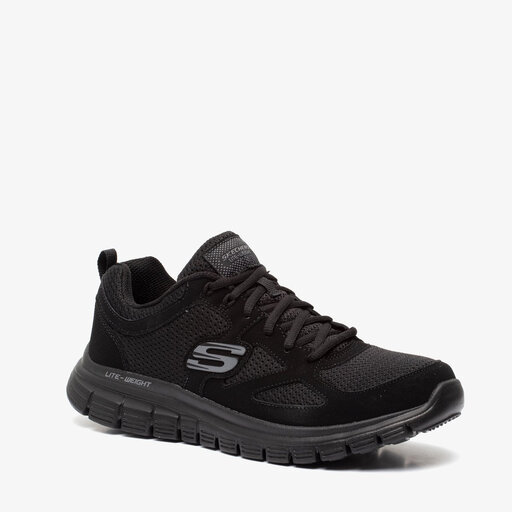
Why it suits this profile: This model is designed for everyday use and combines a standard fit with a Memory Foam insole and mesh inserts.
The product information states both the standard fit and the non-removable footbed. This means you can assess in advance whether it suits your needs.
Rubber outsole, lace-up fastening, heel loop and synthetic leather upper with mesh.
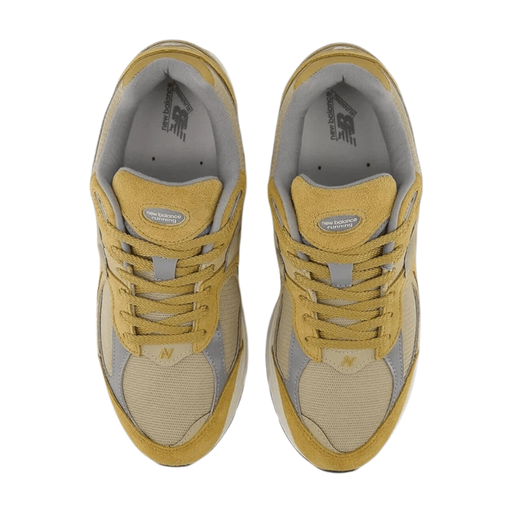
Why it suits this profile: Ideal for anyone looking for a sneaker with a sporty appearance, breathable mesh and several cushioning technologies for everyday and sports use.
The specifications list mesh and synthetic materials separately. This tells you which features are intended to provide ventilation and which are designed to add structure.
ABZORB and N-ergy technology in the midsole, a Stability Web outsole and rubber tread according to the product description.

Why it suits this profile: The product information is aimed at road-to-trail use, with sandwich mesh, an EVA midsole and a ROCKYTEC rubber outsole.
Rather than simply describing it as “sporty”, the product page specifies the terrain, sole type and size options for standard or narrower feet.
Lightweight sandwich mesh, EVA foam in the midsole and a durable rubber tread according to the stated specifications.
Their lifespan depends on the material, how often they are worn and the terrain. Rotate your sneakers if you walk a lot every day, and allow wet shoes to dry at room temperature. Avoid direct heat from a radiator, as this can dry out or deform the materials.
Use a soft brush or damp cloth on mesh. For synthetic leather, a mild soapy solution is usually sufficient, unless the care label says otherwise. Do not simply put sneakers in the washing machine: the product information for several of the models mentioned recommends cleaning them with a cloth or washing them by hand.
We have put together a complete, up-to-date list of products that fully meet these strict selection criteria and the applicable European safety regulations.
There is no fixed timeframe that applies to every pair. Check the outsole for signs of wear, the upper for tears and whether the level of comfort has changed. Someone who mainly walks will use a pair differently from someone who runs several times a week.
They can be, but weight is only one factor. Also check the cushioning, fit, heel fastening and outsole. A lightweight model with a standard fit may be comfortable for short training sessions, while another model may be better suited to longer distances or different terrain.
Sneakers are often designed for everyday use, combining comfort with a casual appearance. Sports shoes and running shoes are generally tailored more specifically to movement, terrain and cushioning. So do not focus solely on appearance; pay particular attention to the product description and intended use.
