
Vandaag of morgen in huis

Kwaliteit gegarandeerd

Welkomstaanbiedingen ontgrendelen: GRATIS bezorging | Tot 80% korting | Gratis 30 dagen JoyPlus-proefperiode
Download de app
Sneakers may seem simple to choose, but an attractive photo says little about how a pair will perform during a long working day, a walk through town or a day at school. Many disappointing purchases come down to three recurring pitfalls:
Whether you are buying men’s sneakers, women’s sneakers or children’s sneakers, it is therefore wise to define the intended use first. You can then compare the material, fastening, size and sole more effectively.
Ideally, measure your feet at the end of the day, when they take up slightly more space. Compare the length with the size chart for the specific model. Also check the stated width. A standard fit is sometimes indicated as D in the product details; some models have a roomier fit, such as G.
Also check the space around the toes. Your toes should not touch the front, but your foot should not slide forwards while walking either. For children, an easy-to-use fastening is practical. Hook-and-loop fastening or a combination of elastic and hook-and-loop fastening may be quicker than laces, but always check that the shoe provides a secure fit.
The material partly determines how sneakers feel and how you care for them:
Do not just look at the marketing term ‘breathable’. Check whether the upper is actually made from mesh or another textile, and whether the lining is specified. According to the manufacturer’s product information, for example, the PUMA Speedcat OG has a leather upper, a textile lining and rubber soles. This gives you more useful information than simply describing the shoe as ‘comfortable’.
A rubber outsole generally provides grip on everyday surfaces, but the composition and tread vary from model to model. A flat sole often suits casual sneakers, while a pronounced tread can provide better support on uneven paths.
For the office, school and use around town, flexibility, weight and a fastening that stays securely in place are important. If you are looking for running shoes, pay particular attention to the recommended surface and the shoe’s construction. A road-to-trail model is built differently from Vans sneakers designed for a casual outfit.
Also check the care instructions. Not every sneaker can be put in the washing machine. With various Vans sneakers, machine washing and high temperatures are specifically best avoided. Incorrect cleaning can damage the material, adhesive bonds or shape.
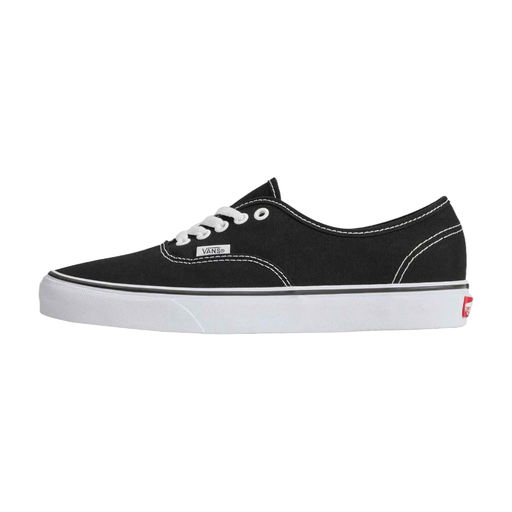
Why it suits this profile: The black colour and low-top design are easy to pair with jeans, workwear and casual clothing. According to the product details, the upper and lining are made from textile, while the sole is rubber.
The product information lists specific materials and everyday uses, without positioning the model as a running shoe.
Textile upper and lining; rubber sole; black design that is easy to coordinate.
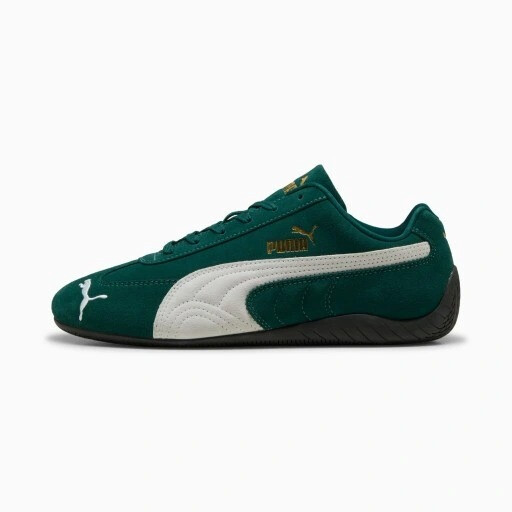
Why it suits this profile: This low-top model is designed for a polished casual look. Its stated standard fit, lace fastening and round toe make it easier to compare sizing and fit.
The specifications list the fastening, fit, sole materials and flat heel type. This helps prevent style from being confused with features designed for running.
Leather upper; IMEVA material, according to PUMA, for a lightweight feel; rubber outsole.

Why it suits this profile: For running, walking and routes that take you from tarmac to unsealed surfaces, a breathable upper and a treaded sole are relevant factors when choosing.
The product details distinguish between standard and narrow fits and recommend hand washing in cold water. This helps you avoid choosing the wrong size or using the wrong care method.
EVA midsole; mesh and woven textile; ROCKYTEC rubber outsole according to the product description.
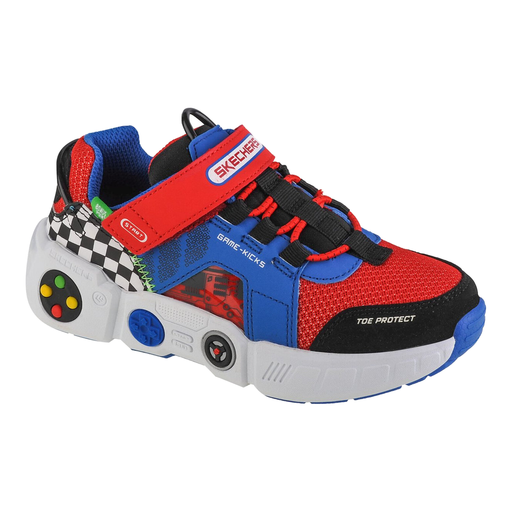
Why it suits this profile: The combination of a low-top shape, flexible sole and fastening for active children is well suited to school, play and everyday use.
The product information lists a standard fit, shoe width D and hook-and-loop fastening. This allows you to assess size and intended use more practically than by colour alone.
Synthetic upper; rubber sole; hook-and-loop fastening and standard fit according to the product details.
We have put together a complete, up-to-date list of products that fully meet these strict selection criteria and the applicable European safety regulations.
Use this quick checklist before ordering:
For everyday use, a standard fit, sufficient room for the toes, a flexible rubber sole and a material suited to the weather are all important considerations. Casual sneakers such as Vans Authentic or certain Skechers models are primarily designed for walking, work and casual clothing. For intensive sports, always check whether the manufacturer states that the model is suitable.
A well-fitting shoe should hold your heel and instep securely without pinching. Your toes should be able to move freely and should not press against the toe box. Try on both shoes with the socks you normally wear. Also check the stated shoe width and sizing advice: some models fit true to size, while others are stated in the product information to come up larger.
Their lifespan depends on walking distance, surface, body weight, care and material. Daily use on tarmac puts different demands on the sole than school use or a walk on woodland paths. Replace your sneakers when the sole wears unevenly, the upper no longer fits securely, or the cushioning and stability noticeably deteriorate. Do not use sports shoes beyond the point at which their construction and tread can reasonably provide adequate support.
