
Vandaag of morgen in huis

Kwaliteit gegarandeerd

Welkomstaanbiedingen ontgrendelen: GRATIS bezorging | Tot 80% korting | Gratis 30 dagen JoyPlus-proefperiode
Download de app
Sneakers may seem easy to buy, but an attractive appearance says little about fit, cushioning or lifespan. A low-top sneaker that looks great with jeans may not be suitable for long walks. And a sports shoe featuring eye-catching technology is not automatically a good running shoe for your feet.
For consumers in the Netherlands, three pitfalls are particularly relevant:
Don’t start with the brand. Start by considering when you want to wear the sneakers.
Casual sneakers are suitable for work, shopping and leisure time. Models made from canvas, synthetic leather, suede or mesh differ considerably in terms of care and breathability. White sneakers are easy to combine with different outfits, but show dirt more quickly.
Sports shoes for walking or light training usually focus more on grip, flexibility and cushioning. If you run regularly, it is worth looking specifically at running shoes. A casual model with a soft insole is not automatically suitable for repeated running loads.
Women’s sneakers, men’s sneakers and unisex sneakers are mainly practical search categories. Always check the actual size chart, the width and the stated fit. A model sold as unisex may, for example, have a different shape from the one your feet are used to.
Mesh and textile generally allow more air to pass through than dense synthetic leather. This can be comfortable when wearing the shoes for longer periods or during light activities. Suede creates a different look, but requires more care when exposed to moisture and dirt. Therefore, check:
The upper of the New Balance ML574EVN consists of suede and mesh. According to the product information, the mesh around the instep, collar and tongue is made from 100% recycled polyester. This is a verifiable material claim, but it does not mean that the entire sneaker is made from recycled material.
The midsole affects how the sneaker feels while walking. EVA foam, foam and polyurethane are often used to combine softness with support. Brand names for cushioning are specific to each model. According to New Balance’s own product information, ENCAP combines foam with a polyurethane rim in various 574 models to provide cushioning and support.
Pay attention to the difference between:
A shoe with “good cushioning” may feel comfortable to one user but too soft or too firm to another.
Rubber is widely used for outsoles because of its grip and resistance to wear. A treaded sole may be better suited to wet pavements or unpaved paths than an almost flat sole. Also check whether the shoe is intended for asphalt, everyday use or more intensive activities.
If you are looking for durable sneakers, consider:
According to the product information, the New Balance ML574EVN uses a rubber outsole containing 5% recycled rubber. The New Balance ML574EVN2E lists an upper made from recycled materials and an outsole made from recycled rubber. Compare such specific details with general sustainability claims.
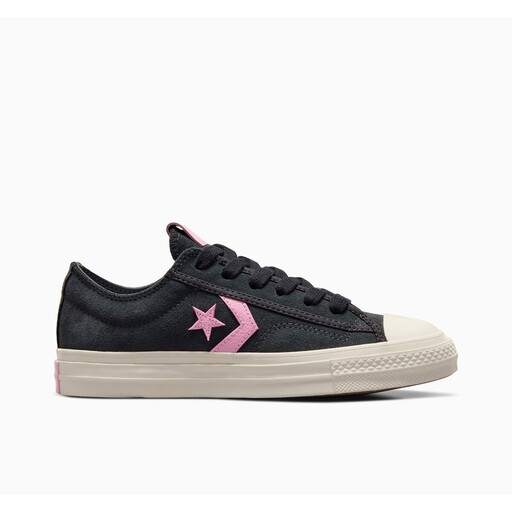
Why it suits this profile: The low-top canvas sneaker has a simple design that is easy to pair with everyday clothing. The lace-up fastening allows you to adjust the fit.
The product information specifically mentions canvas, a padded insole and a vulcanised rubber outsole, rather than relying only on general comfort language.
Lightweight canvas upper, low-top fit and grippy rubber sole.
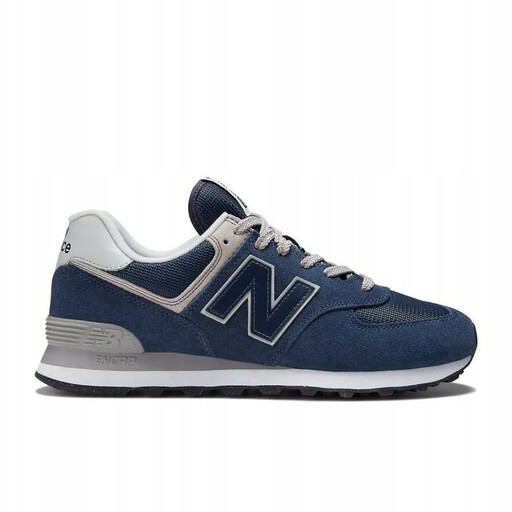
Why it suits this profile: This retro model is designed for everyday use and combines suede and mesh with ENCAP technology, according to the product description.
The listed materials, sole construction and size 41.5 provide more useful guidance than choosing based solely on the brand image.
Suede-mesh upper, ENCAP midsole and rubber outsole.

Why it suits this profile: The product description focuses on running, walking and transitions from asphalt to unpaved terrain. The shoe is available in a standard and a narrow fit.
The information lists the fit, foot lengths, EVA midsole and treaded sole. However, check that the version selected actually has the stated sole variant.
Lightweight mesh upper, EVA foam and treaded rubber sole.
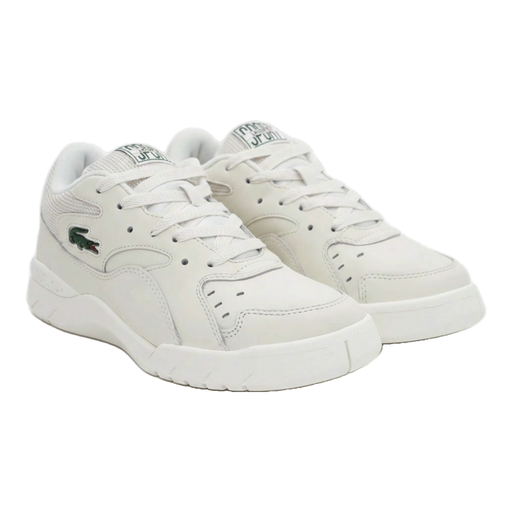
Why it suits this profile: The white, low-top sneaker has a subtle retro court shape and is intended for adults who want to wear one versatile model with different outfits.
The product details specify a synthetic leather upper, textile lining, padded insole and rubber outsole. This makes it clear what you are buying and how to care for the shoe.
All-white look, padded insole and grippy rubber sole.
We have compiled a complete, up-to-date list of products that fully meet these strict selection criteria and the applicable European safety regulations.
Preferably measure your foot at the end of the day, when feet often take up slightly more room. Compare the length in centimetres with the size chart for the specific model. Also make sure there is enough room around the toes and that the heel does not lift as you walk.
Care does not automatically extend a shoe’s lifespan, but it can help limit premature wear:
According to the product information, many of the products mentioned come with a statutory guarantee of at least two years under EU consumer law. This is separate from normal wear and tear, incorrect care or damage caused by use outside the intended scenario.
That depends on how often you walk or run, the surface, your body weight, the materials and how well you care for them. With daily use, the heel, toe and outsole are particularly prone to wear. Check the sole regularly for smooth patches, cracks and parts coming loose. A sneaker that still looks presentable may already be offering less support on the inside.
Not all sneakers are. Casual sneakers and retro models are mainly intended for everyday use. For running, choose a model whose product information explicitly mentions running, and consider the fit, sole tread, cushioning and running surface. If you are unsure, start with short distances and assess how the shoe feels.
Remove dirt as soon as possible with a soft, slightly damp cloth. Use a mild cleaning product suitable for the material. Allow the shoes to dry naturally out of direct sunlight and avoid harsh products. For suede, a special brush and a suitable protective spray are more practical than water and soap.
