
Vandaag of morgen in huis

Kwaliteit gegarandeerd

Welkomstaanbiedingen ontgrendelen: GRATIS bezorging | Tot 80% korting | Gratis 30 dagen JoyPlus-proefperiode
Download de app
The search for the perfect pair of sneakers can be overwhelming. Brands like Nike, Adidas, and PUMA continuously launch new models, while classics like the Nike Air Force 1 remain as popular as ever. But how do you know which shoe is truly right for you? Many people fall into common traps, ending up with sneakers that are relegated to the back of the closet after just a few months.
As a Joybuy Product Recommendation Officer, I see the choices people make every day. I'm here to help you see through the marketing hype and make a well-informed decision. Let's look at the three most common mistakes when buying sneakers and how you can avoid them.
To avoid a bad buy, it's helpful to look at a few technical specifications. These aren't complicated details, but practical features that make all the difference in comfort and longevity.
The sole is the foundation of any shoe and usually consists of two parts:
The material of the sneaker's upper determines its look, breathability, and durability.
Think carefully about what you will primarily use the sneakers for. Are you looking for comfortable shoes for daily use, like the convenient Skechers Slip-ins? Or do you need specific running shoes for your weekly run? A lifestyle sneaker like the Nike Dunk Low is perfect for a casual look but doesn't offer the technical support of an athletic shoe. Also, pay attention to details like a padded collar around the ankle for extra comfort.
To help you make the right choice, we've highlighted a few models that suit different needs and preferences.
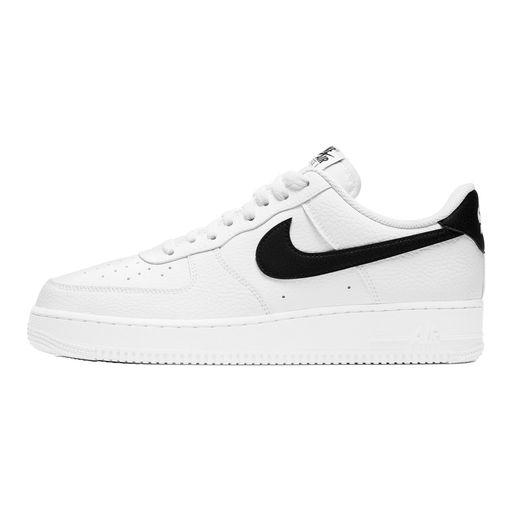
Why This Fits Their Persona: For those seeking a timeless, versatile sneaker that pairs with almost any outfit. The iconic design is a staple in street style and offers a balance between fashion and everyday comfort.
This model bypasses the 'hype' trap by offering proven quality. It's a popular shoe, but its value lies in the durable leather upper and Nike Air cushioning, which provide long-lasting comfort for casual use.
The premium leather upper is sturdy and easy to maintain. The encapsulated Air unit in the sole provides reliable cushioning.
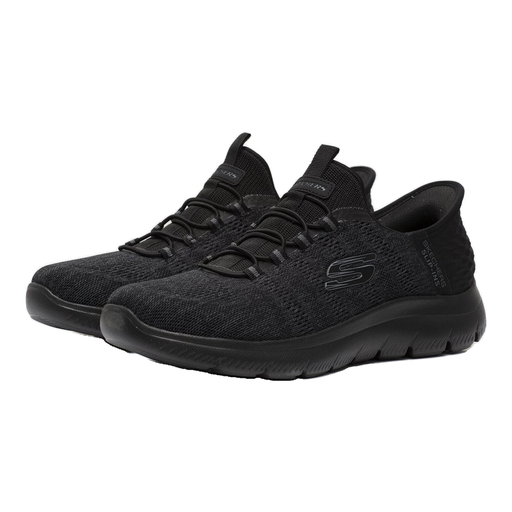
Why This Fits Their Persona: Ideal for those who prioritize convenience and comfort above all else. Perfect for quick errands, a walk, or a busy day when you want to slip your shoes on and off effortlessly.
This shoe tackles the 'one-shoe-for-all' trap by specializing. It is explicitly a comfortable shoe for daily use, not an athletic shoe. The focus is entirely on slip-on convenience and cushioning.
The unique Hands Free Slip-ins design and the Air-Cooled Memory Foam insole provide a high level of practical comfort. Plus, they are machine washable.
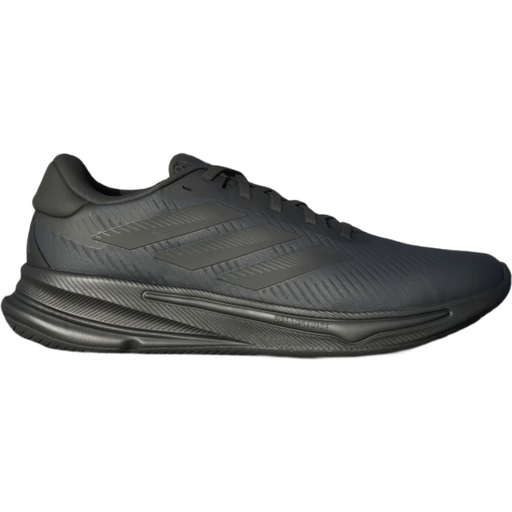
Why This Fits Their Persona: Designed for the runner who needs a reliable, comfortable shoe for short to medium distances. Ideal for building a routine or training for a first race.
This is the perfect example of a purpose-built shoe. It avoids the 'all-rounder' trap by focusing on what a runner needs: a full Dreamstrike midsole for cushioning and a breathable mesh upper.
The Dreamstrike midsole offers soft, responsive cushioning. The breathable upper keeps feet cool and secure during movement.
We've compiled a complete, up-to-date list of products that meet these selection criteria.
For white sneakers made of leather or synthetic material, regular maintenance is key. Wipe away dirt immediately with a damp cloth. For stubborn stains, you can use a special sneaker cleaner. Avoid the washing machine, as this can damage the glue and materials. Always let them air dry, away from direct heat sources.
The main difference between men's sneakers and women's sneakers is often in the fit and available sizes. Women's models are typically built narrower. Additionally, there are often differences in colorways. However, many popular models, such as those from New Balance or the Nike Air Force 1, are considered unisex and are suitable for everyone. Always check the size chart for the specific model.
The lifespan of running shoes depends on the frequency of use, your running style, your weight, and the surface you run on. A general guideline is that the midsole's cushioning significantly diminishes after 500 to 800 kilometers. You'll often notice this through a less springy feel or minor aches and pains after a run. It's a good idea to check the condition of your shoes regularly.
