
Vandaag of morgen in huis

Kwaliteit gegarandeerd

Welkomstaanbiedingen ontgrendelen: GRATIS bezorging | Tot 80% korting | Gratis 30 dagen JoyPlus-proefperiode
Download de app
Buying snacks and sweets online gives you access to flavours you will not find in every Dutch supermarket. Think Asian snacks, international biscuits, sugar-free sweets and unusual fruit snacks. At the same time, comparing products online is not always straightforward. An eye-catching front label, for example, may give a different impression from the nutrition table or ingredients list.
This practical guide will show you what to look out for before placing an order. That way, you can avoid packaging that looks larger than its contents, confusing “sugar-free” with low-calorie, or choosing a flavour variant that does not meet your expectations.
In sugar-free snacks, sugar is often replaced with sweeteners such as maltitol, sorbitol, xylitol or aspartame. This can lower the sugar content, but the product may still provide energy. Haoxiangni Sugar-Free Black Sesame Balls, for example, contain 0 grams of sugar per 100 grams, but list 573 kcal per 100 grams. At least 60% of the product consists of black sesame, an ingredient that is naturally high in fat.
If your main aim is to consume fewer calories, look at the energy per 100 grams line. If you are looking for sugar-free snacks, also check which sweeteners have been used.
Some products present nutritional values per serving, even though the packaging contains several servings. Always compare the values per 100 grams or 100 millilitres. For Jele Light-Orange, this is 32 kcal and 7.7 grams of sugar per 100 millilitres. The pack contains six 125-gram bottles, making it easy to estimate the total amount per bottle yourself.
Terms such as “high fibre”, “low GI” and “zero calorie” are only useful when you compare them with the full product information. According to the product information, Panpan Low GI Sugar-Free Oat High Fiber Biscuits contain 10.6 grams of protein and 11.7 grams of sugar per 100 grams, as well as 20 grams of fat and 470 kcal. This makes them a high-fibre biscuit option, but not automatically a low-calorie one.
You should also avoid treating claims about effects on digestion or other bodily functions as established facts. A brand’s own research may suggest that a product has certain properties, but the ingredients, nutritional values and usage instructions should remain the deciding factors when you make your purchase.
Check the first ingredients on the list. They are generally listed in descending order by quantity. Also look out for allergens that must be clearly stated in the Netherlands, such as wheat, soya, egg, milk, peanuts, nuts and sesame.
For black sesame balls, sesame is the relevant allergen. According to the product information, Jiashili Fruity Biscuits contain wheat and may be produced on a line that also processes peanuts, egg, soya, sesame, nuts and milk. If you have an allergy or intolerance, always use the packaging as your final check.
Do not just look at the front of a packet. Check:
For polyols such as maltitol and sorbitol, there is sometimes a warning that excessive consumption may have a laxative effect. Wilhelmina Sugar-Free Peppermint also states that the product contains a source of phenylalanine. This is relevant information for people who need to avoid aspartame.
International snacks may have a different pack size or shelf-life marking from what you are used to. Check the date on the packaging and confirm whether the product should be stored in a cool, dry place away from direct sunlight.
For opened drinks such as Jele Light-Orange, make sure you close the cap or seal properly and store the product in the fridge as instructed. Individually wrapped biscuits or sweets are more convenient for taking with you, but do compare the total net quantity with the price.
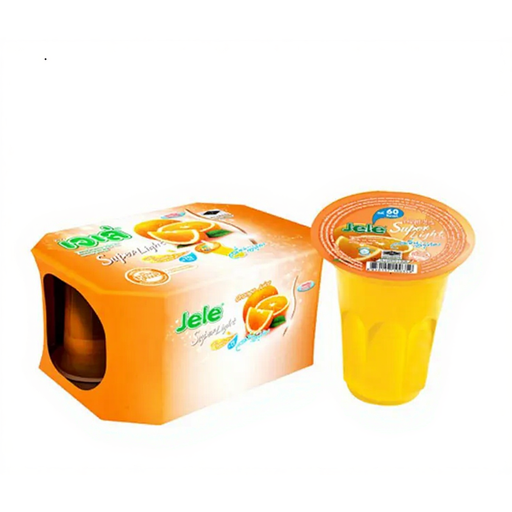
Why it suits this profile: Six 125-gram portions make this international orange drink practical to divide up or take with you chilled.
The nutritional values are given per 100 millilitres. With 32 kcal and 7.7 grams of sugar, you can immediately see that “light” does not mean sugar-free.
Six individual packs, orange flavour and 0 grams of fat per 100 millilitres. Check the storage advice after opening.
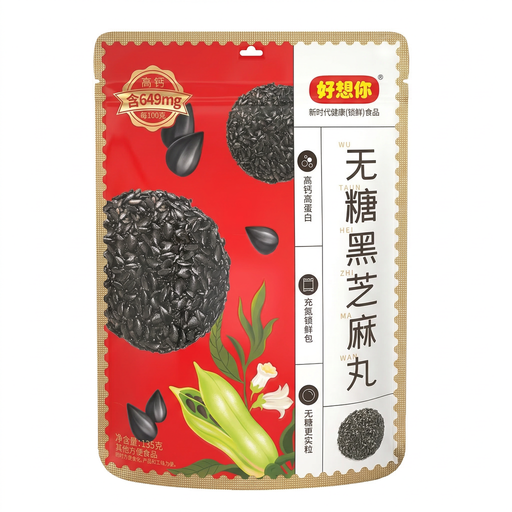
Why it suits this profile: A good choice for anyone looking for an Asian snack with black sesame and individual portions, without sugar according to the stated nutritional profile.
The specification highlights the difference between sugar-free and low-calorie: 0 grams of sugar, but 573 kcal per 100 grams.
135 grams of product, approximately 17 to 18 individual packs and black sesame as the main ingredient. Contains sesame as an allergen.
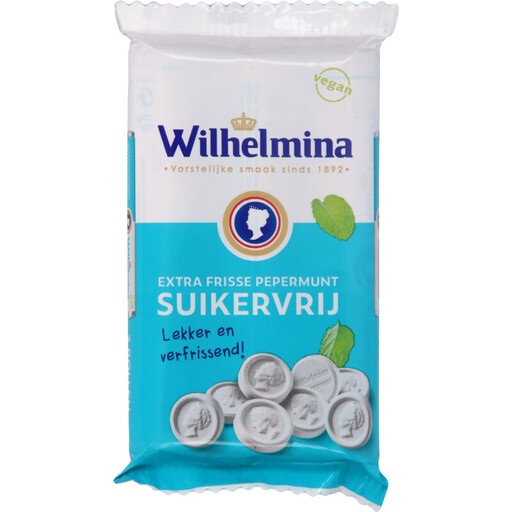
Why it suits this profile: The three rolls are easy to take with you if you regularly use sugar-free mints.
The table lists 0 grams of sugar, but also 98 grams of polyols per 100 grams and a warning about excessive consumption.
Sugar-free according to the product information, vegan and gluten-free. Contains aspartame and therefore a source of phenylalanine.
If you are looking for zero calorie jelly, take a look at Orihiro Purun and Standing Zero Calories Apple. The nutritional information states 0 kcal per 100 grams, and the snack contains konjac flour, apple and sweeteners. Follow the instructions to squeeze the jelly out of the packaging while chewing to help prevent choking.
For high-fibre biscuits, Panpan Low GI Sugar-Free Oat High Fiber Biscuits is a product whose nutritional values should be compared carefully. The biscuit contains wholemeal flour, oats and wheat bran, as well as maltitol, palm oil and allergens such as wheat, soya, oats and egg.
Fans of fruit snacks may wish to consider Jiashili Fruity Biscuits with blueberry flavour. The biscuits are individually wrapped and contain blueberry purée, but also sugar, fructose syrup and glucose syrup. This makes them suitable for someone looking for a fruity flavour, rather than someone specifically needing sugar-free snacks.
We have put together a complete, up-to-date list of products that fully meet these strict selection criteria and the applicable European safety regulations.
No. Sugar-free refers to the sugar content and does not automatically mean low in energy. Black sesame balls, for example, contain 0 grams of sugar but 573 kcal per 100 grams. Always compare both the sugars and kcal per 100 grams.
This varies by product. The shelf life is stated on the packaging or in the product information. According to the listing, unopened Jele Light-Orange has a shelf life of 12 months. Store snacks according to the stated advice and consume opened products within the specified period.
Individually wrapped black sesame balls, biscuits and rolls of sugar-free peppermint are easy to take with you. For jelly and drinks, it is important that the packaging remains intact and that you follow the specific usage and storage instructions.
