
Vandaag of morgen in huis

Kwaliteit gegarandeerd

Welkomstaanbiedingen ontgrendelen: GRATIS bezorging | Tot 80% korting | Gratis 30 dagen JoyPlus-proefperiode
Download de app
When you’re looking for high-protein snacks, you’ll soon come across terms such as “low sugar”, “high protein” and “no added sugar”. But eye-catching claims on the front of a pack don’t tell you everything about its nutritional value, ingredients or serving size. For example, a low-sugar bar may contain a lot of polyols. And a product with “protein” in its name may actually provide relatively little protein per serving.
Use this practical guide to focus on the information that really matters. You’ll find suitable high-protein snacks, protein snacks or post-workout snacks without relying on marketing claims alone.
A high protein content per 100 g might sound appealing, but serving size determines how much you actually get. A muesli may contain 22 g of protein per 100 g, while a typical serving is much smaller than 100 g. So always compare:
For example, a 55 or 60 g protein bar may provide around 18 to 21 g of protein. A small serving of wafers often contains less protein, but may be more convenient as a lighter snack.
Many low-sugar protein bars use sweeteners and polyols, such as maltitol, xylitol or sorbitol. These ingredients can improve the flavour and texture, but consuming a lot of them may have a laxative effect or cause digestive discomfort in some people. So, as well as checking “sugars”, look for polyols in the nutrition table.
“No added sugar” doesn’t automatically mean a product is low in calories or carbohydrates either. Always check the full table.
Protein snacks often contain milk proteins, whey, soya, nuts, peanuts or gluten. Some bars also contain bovine collagen. So check the allergens highlighted in bold on the label, especially if you have a food allergy or intolerance. Recipes and packaging can change, so always refer to the current packaging.
For a practical comparison, protein per item is more useful than protein per 100 g alone. According to the product information, a Grenade Carb Killa bar contains 20 g of protein per 60 g bar. Barebells White Chocolate Almond also provides 20 g per bar, but weighs 55 g.
A wafer may be a more appealing size, but provides less protein: the Nutramino Protein Wafer contains 7.8 g per 39 g pack. That may suit you if you’re after a smaller snack, but it’s not comparable to a full-size protein bar.
If you’re looking for low-carb snacks or low-sugar snacks, compare these three lines:
According to the product specifications, Grenade Fudged Up contains 1.7 g of sugar and 15 g of polyols per bar. Grenade Chocolate Chip Cookie Dough contains 1.5 g of sugar and 19 g of polyols per bar. These are verifiable figures, but they don’t automatically make either product suitable for everyone.
Individually wrapped bars are handy when you’re out and about. At home or in the office, high-protein muesli or protein granola may make more sense. Pay particular attention to serving size with granola: per 100 g, it may contain more fat and calories than a bar.
A snack with a chocolate coating and sweeteners can be enjoyed between meals. It’s not a substitute for a varied diet. If you’re having it after a workout, the amount of protein per serving matters most, not just the sporty look of the packaging.
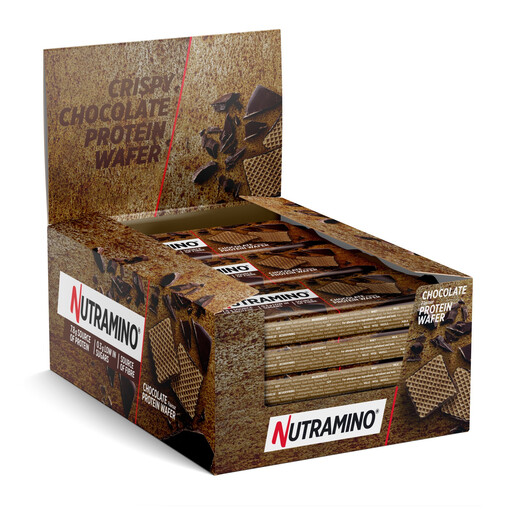
Why it suits this profile: The 39 g portion is compact and individually wrapped. With 7.8 g of protein and 0.3 g of sugar per pack, it’s a convenient option for when you’re out and about or between meals.
The nutrition information is given per pack, so you don’t have to rely on a percentage per 100 g alone. Do check the polyols and allergens, though.
39 g per pack, two crunchy wafers, 7.8 g of protein and 0.3 g of sugar per serving.
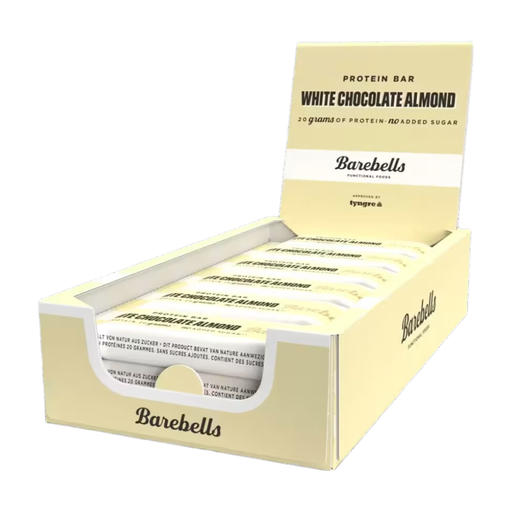
Why it suits this profile: This multipack combines 20 g of protein per bar with a 55 g serving. The white chocolate and almond flavour is ideal if texture and taste are high on your list.
The product information lists both sugar and polyols, so you can compare the low-sugar claim with the full nutrition table.
20 g of protein, 1.3 g of sugar and 4 g of fibre per bar, in a box of 12.
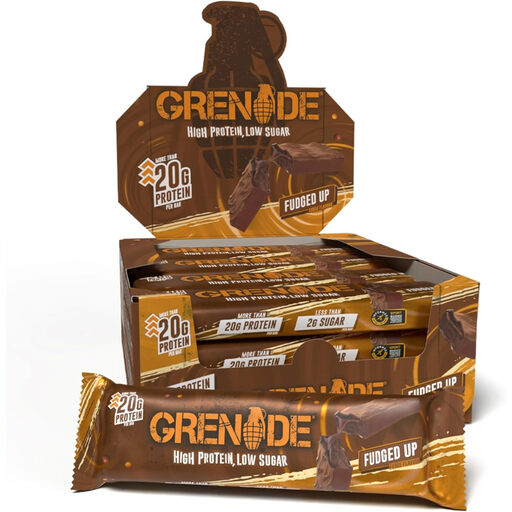
Why it suits this profile: This substantial chocolate bar is individually wrapped and, according to the product specifications, contains 20 g of protein per bar. It’s a filling snack for active people to take to work, the gym or on the go.
As well as 1.7 g of sugar, the label lists 15 g of polyols per bar. This shows why it’s important to read the full table for a low-carb product.
20 g of protein, 1.7 g of sugar and 5.3 g of fibre per bar, with 12 individually wrapped bars per box.
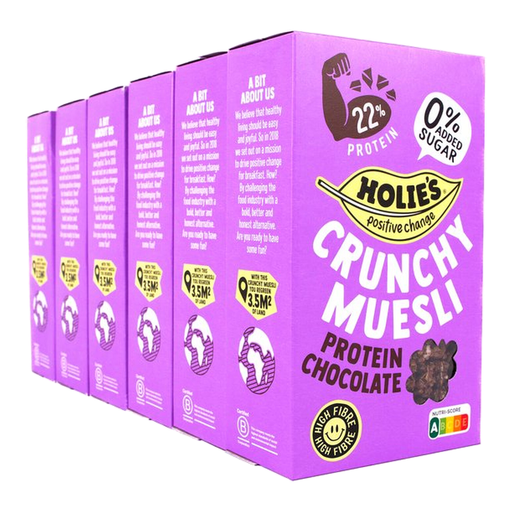
Why it suits this profile: This high-protein muesli is made to be enjoyed at home, for example with yoghurt or milk. It contains 22 g of protein, 21 g of fibre and 2.1 g of sugar per 100 g.
The nutrition information is given per 100 g. Weigh your serving if you want to keep an accurate track of calories, carbohydrates or protein.
22% protein, 21 g of fibre and no added sugar, according to the product information.
We’ve put together a complete, up-to-date list of products that meet these strict selection criteria and the applicable European safety requirements.
Individually wrapped protein bars and wafers are convenient because you don’t need cutlery or any preparation. Check the size, protein per pack and storage instructions. A 39 g wafer is handy for a smaller snack, while 55 to 60 g bars are a better choice if you want more protein per serving.
No. A bar may be low in sugar but still contain relatively high levels of carbohydrates or polyols. So always check the full nutrition table. With bars containing maltitol or other sweeteners, it’s particularly important not to look only at the “of which sugars” line.
Check the use-by or best-before date on the packaging. Bars, wafers and granola should generally be stored in a cool, dry place, away from direct sunlight. Reseal an opened pack properly and follow the manufacturer’s instructions. If the packaging is damaged or the product smells or looks unusual, it’s best not to eat it.
