
Vandaag of morgen in huis

Kwaliteit gegarandeerd

Welkomstaanbiedingen ontgrendelen: GRATIS bezorging | Tot 80% korting | Gratis 30 dagen JoyPlus-proefperiode
Download de app
A platter of snacks and nibbles can be put together in no time, but comparing them online is less straightforward. Packaging often uses phrases like “rich in flavour”, “artisan” or “light”, while the most important details are frequently printed in smaller type. If you only focus on taste or the packaging, you could end up with too few snacks, unexpected allergens, or products that lose their crunch soon after opening.
As Joybuy Product Recommendation Officer, I filter the key information based on verifiable data. This way, you can compare savoury snacks, party nuts, crackers, nuts, peanut snacks, fuet and spicy snacks in a practical manner.
A 200g or 300g pack might seem generous, but the number of guests and the variety on offer determine how much you actually need. A single bag of party nuts can quickly become monotonous. For a party, a combination works better: for example, crackers, nuts and a savoury meat snack.
Also pay attention to the internal portioning. TUC Original Crackers (100g) consists of three 30g portions. The 3 x 100g variant gives you more stock, but also takes up more space and is mainly handy when you’re planning several occasions or a larger group.
Flavour descriptions vary from brand to brand. A product with chilli or barbecue seasoning might be mild to one person and quite fiery to another. So look at the ingredients list. With seasoned peanut snacks, you may find salt, sugar, flavour enhancers and various spices among the ingredients.
For example, g’woon Spicy Cocktail Nuts lists 2.1g of salt per 100g. That figure tells you more about the composition than just the word “spicy”. For a mixed group, it’s better to combine a mild option with a spicy one.
Nuts, peanuts, milk, gluten, soya, egg and sulphites are common in party snacks. Always check the label, especially when you’re buying snacks to share for several guests. A product may also contain “traces of” other allergens.
Once opened, storage methods differ per product. Dry crackers and nuts should generally be kept tightly sealed, cool and dry. According to the product information, fuet must be refrigerated after opening and used within the stated period. The packaging remains the definitive guide for the best-before date and usage instructions.
Start with the first ingredients listed. These are in descending order of quantity. With g’woon Peanuts in Shell, peanut is the only ingredient listed; the product may, however, contain traces of nuts. Seasoned party nuts often have added starch, oil, sugar, spices and flavourings.
With crackers, watch out for wheat and gluten. Lu Vitalu Multiseed Crackers contain, among other things, wholemeal wheat, sesame, linseed, pumpkin seeds, soya and egg. According to the product information, Bio+ Organic Corn Crackers have a short ingredients list of maize and 0.3% sea salt, but may contain traces of soya.
Don’t just compare the price per pack, but also the amount per person. Small individual bags are handy for on the go or for serving on multiple occasions. A large bag may seem better value, but it loses its crunch more quickly if it’s opened frequently.
For a gathering with several people, a mix of packs is practical:
The nutritional information table is usually given per 100g. That makes comparison easy, but a serving may be smaller. According to the product information, TUC Original Crackers contain 482 kcal, 19g of fat and 1.7g of salt per 100g. g’woon Mild Cocktail Nuts contain 515 kcal and 1.435g of salt per 100g.
Use these figures mainly to compare products side by side. A lower value in one area doesn’t automatically mean the product is better for every situation. Taste, allergens, serving size and the occasion all matter too.
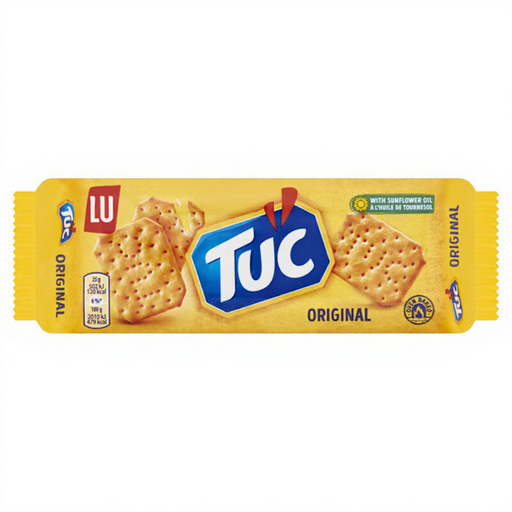
Why this fits the profile: A straightforward pack with three portions for an evening at home, a small gathering, or as a base for toppings.
The weight and portion breakdown are clearly stated, making it easier to estimate how much you’re serving.
Oven-baked crackers with 482 kcal and 1.7g of salt per 100g; ready to serve straight away.
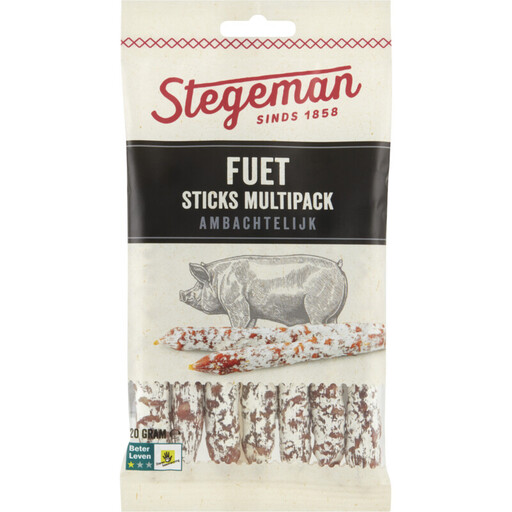
Why this fits the profile: Ideal for anyone who wants to serve a savoury meat snack with a distinctive flavour at a gathering.
The product information states the weight, ingredients, milk as an allergen, and refrigerated storage after opening.
120g, 28g of protein and 4.5g of salt per 100g; packed under a protective atmosphere.
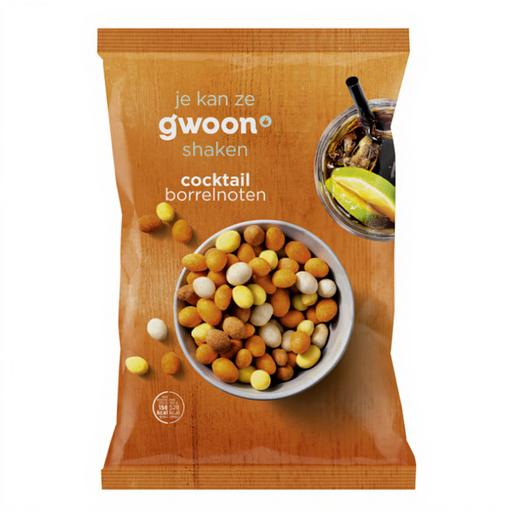
Why this fits the profile: The 300g pack is practical for a larger gathering, a cheeseboard, or several snacking occasions.
The quantity is clearly stated, and the mild seasoning makes it suitable alongside spicy snacks.
A mix with peanuts, cashews, almonds and pecans; 300g per pack.
We’ve put together a full, up-to-date list of products that fully meet these strict selection criteria and comply with current European safety regulations.
That depends on how long the gathering lasts and whether you’re also serving a meal. For a short drinks session, allow several small portions per person and choose at least three different types. For example, combine crackers, party nuts and fuet. For a longer evening, it’s wise to have extra stock, especially if the snacks are the main food.
Large packs of nuts, party nuts and crackers are simple to serve on a platter. Individual bags are more practical when guests want to help themselves, or when you’re taking snacks on the go. When using shared platters, clearly check the allergens so guests know whether peanuts, nuts, gluten, milk or soya are present.
Seal dry snacks airtight and store them in a cool, dry place, away from moisture and direct sunlight. This usually keeps crackers and nuts crunchy for longer. Store fuet in the fridge after opening, following the instructions on the pack. Always check the original packaging for the exact storage period and best-before date.
