
Vandaag of morgen in huis

Kwaliteit gegarandeerd

Welkomstaanbiedingen ontgrendelen: GRATIS bezorging | Tot 80% korting | Gratis 30 dagen JoyPlus-proefperiode
Download de app
Snack bars are convenient for travelling, at work, after exercising or as a small snack at home. Yet many bars look similar, while their nutritional values, ingredients and serving sizes can vary considerably. A muesli bar is not automatically a light choice, and a protein bar is not necessarily suitable for every occasion.
As a Joybuy Product Recommendation Officer, I assess product information against verifiable criteria. This makes it easier to identify snack bars that match your preferences for flavour, protein, sugar content, organic ingredients or an allergy-conscious formulation.
A bar labelled no added sugars may still contain naturally occurring sugars. Some products also use sweeteners and polyols. According to the product description, for example, the Hero B’Tween Zero variants contain between 1.5 and 1.7 grams of sugar per 100 grams, as well as 42 grams of polyols per 100 grams.
That does not automatically make the bar suitable for everyone. The packaging for these products also states that excessive consumption may have a laxative effect. Do not rely solely on the front of the pack: check the nutrition table for carbohydrates, sugars and polyols.
Protein and high-protein bars are often compared per 100 grams, even though you eat one serving at a time. According to the supplied product information, the XXL Nutrition High Protein Bar contains 50 grams of protein per 100 grams. One 50-gram bar therefore provides 25 grams of protein.
The Barebells Caramel & Cashew contains 20 grams of protein per 55-gram bar. This is more useful for comparison than looking only at the percentage shown on the label. Also check the ingredients: these bars contain dairy ingredients, while the Barebells bar also contains cashew nuts and peanuts.
An organic bar can still contain substantial amounts of sugar, syrup or calories. The Zonnatura Organic Nut Bar, for example, lists organic ingredients and agave syrup, yet according to its nutritional information contains 24 grams of sugar and 528 kcal per 100 grams.
Gluten-free snack bars also require careful checking. MadeGood states that it uses gluten-free oats, while the supplied allergen information simultaneously mentions “gluten”. If you have an allergy or coeliac disease, always verify the current label and official allergen declaration.
Use per bar to determine what you actually consume. Use per 100 grams to compare different formats fairly. Check at least:
A standard oat or granola bar often contains more carbohydrates and sugars than a protein bar. A nut bar may provide comparatively more fat and calories, but can also contain more protein and fibre.
In the EU, ingredients are listed in descending order by weight. If glucose, fructose or agave syrup appears near the top of the list, it represents a significant proportion of the product. Also check clearly highlighted allergens, such as milk, peanuts, nuts, soya, oats, wheat, barley and gluten-containing cereals.
“May contain traces of” is not a detail to overlook. If you have a food allergy, use the packaging as your primary source, as recipes may change.
Individually wrapped bars are convenient for travelling or keeping in a desk drawer. Check the number of pieces and the weight of each bar. A box containing six 25-gram bars offers a different experience from a multipack with twelve 55- or 60-gram bars.
For everyday use, a smaller oat bar may be sufficient. After an intense workout or when you deliberately want to supplement your protein intake, a protein bar may be a better fit. This is a decision based on nutritional values—not on marketing claims.
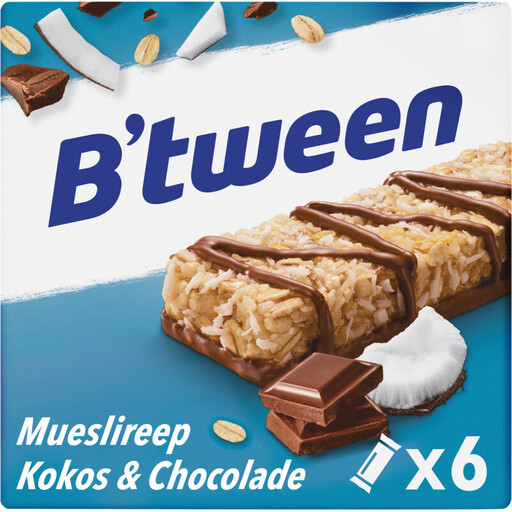
Why This Fits Their Persona: A straightforward multipack with six individually wrapped 25-gram bars for work, home or on the go.
The serving size is clearly stated. The bar is not sugar-free: according to the nutritional information, it contains 28 grams of sugar per 100 grams.
Individually wrapped; according to the product description, contains no preservatives or artificial colourings.
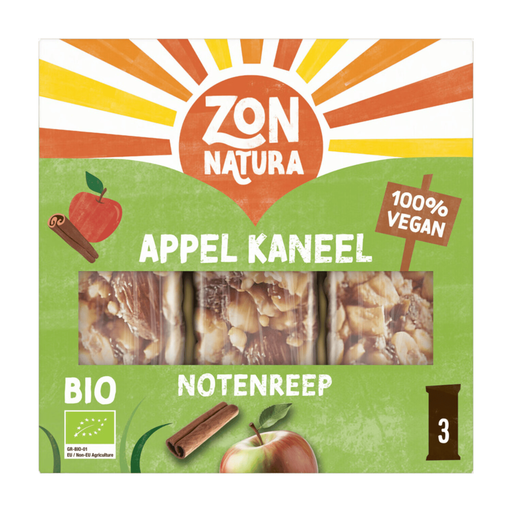
Why This Fits Their Persona: A good match for anyone looking for a small nut bar with apple and cinnamon, while placing value on organic ingredients.
The organic label does not replace a nutritional check. According to the table, this bar contains 24 grams of sugar and 528 kcal per 100 grams.
According to the ingredients list, contains 45% peanuts and 16% almonds; just 0.02 grams of salt per 100 grams.

Why This Fits Their Persona: A compact protein bar for anyone looking to add targeted protein after exercising or between meals.
The protein claim can be converted into a serving size: 50 grams per 100 grams equals 25 grams per 50-gram bar.
179 kcal and 0.7 grams of sugar per bar according to the product description; provides 25 grams of protein per piece.
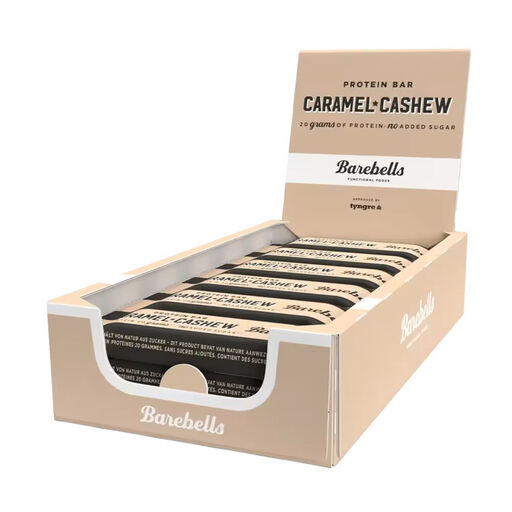
Why This Fits Their Persona: A stock-up pack for regular use at home, in the office or after a workout.
The packaging lists protein, sugar and polyols per bar. However, check the allergens: milk, cashew nuts and peanuts are present.
20 grams of protein and 200 kcal per bar; twelve 55-gram bars per pack.
If your priority is less sugar and more fibre, consider the Choco & Nut Bars 6-Pack, which according to the product information provides 16 grams of protein and 18 grams of fibre per 100 grams. For a traditional granola bar with fruit, the Bolletje Cereal Bars with Sweetened Cranberries are worth considering; they provide 14 grams of fibre per 100 grams, but also contain 17 grams of sugar.
A snack with no added sugar can be found in products such as Holie’s Chewy Bar Double Chocolate and Cookie Dough. The product description lists 23% and 21% protein respectively. However, these bars contain wheat, spelt, barley and nuts. Always read the complete ingredients list.
Browse our current range of products selected based on ingredients, nutritional values, serving size and intended use.
That depends on your objective. A muesli bar is practical thanks to its small serving size and individual packaging, but check the sugar content and amount of fibre. A bar containing chocolate or syrup may be nutritionally closer to a sweet treat than to a light oat bar.
Protein bars generally contain more protein per serving and are intended for consumers who want to supplement their protein intake. Standard snack bars, such as oat bars, granola bars and chocolate bars, typically place greater emphasis on grains, fruit or flavour. Always check calories, sweeteners and allergens.
Store bars according to the label—usually in a cool, dry place, away from direct sunlight and heat and moisture. Reseal opened packaging carefully. Do not use a product if the packaging is damaged, and check the best-before date on the pack.
