
Vandaag of morgen in huis

Kwaliteit gegarandeerd

Welkomstaanbiedingen ontgrendelen: GRATIS bezorging | Tot 80% korting | Gratis 30 dagen JoyPlus-proefperiode
Download de app
Buying snacks online seems straightforward, until you have to choose between crackers, rice cakes, biscuits, crisps and international specialities. Packaging often highlights flavour, size or a striking claim, while important information is less visible. With this practical approach, you can compare products on verifiable features and avoid a bad buy.
A 75g or 100g bag can be handy for on the go, but it isn’t always better value per 100g. For a party, several small packs can actually be practical because they’re easy to share. So always compare:
A multipack, such as TUC Original Crackers 3 x 100g, can be suitable when you want to stock up. A smaller pack, like Oishi Bread Pan Buttered Toasted 42g, is better suited as a snack for on the go.
Terms like “cheese”, “bacon”, “chocolate” or “roasted chicken wing” often describe a flavour profile. They don’t automatically tell you how much of the named ingredient is actually present. For example, NongShim Shrimp Cracker (Hot) lists 8.5% fresh prawn in the product information. TUC Smoky Bacon Mini Crackers mentions 0.1% dried ham, alongside flavourings and smoke flavouring.
If you’re buying a savoury snack or an Asian snack, it’s worth checking the ingredients list. That way you can see whether a flavour comes from an ingredient, herbs, flavourings or flavour enhancers.
A light texture doesn’t automatically mean a product is low in energy, sugar, fat or salt. So compare the nutritional values per 100g. That makes rice cakes, biscuits, crisps and crackers much easier to compare with one another.
Also pay attention to the portion size. Snack a Jacks Rice Wafers Choc Chip states 52 kcal per rice wafer in the product information, while the nutrition table shows 406 kcal per 100g. Both figures can exist side by side, but you need to know which amount you’re actually eating.
In the European Union, allergens must be clearly stated in the ingredients information. In particular, check for:
TUC Original Crackers lists wheat, sulphites, eggs and gluten-containing cereals, among others. Pocky Strawberry contains wheat, milk and soya according to the product information. NongShim Shrimp Cracker (Hot) contains wheat, prawn and soya. If you have an allergy or intolerance, always use the physical packaging as your final check. Online product information can change and does not replace the label.
For home use, larger packs can be practical. For a lunchbox, train journey or workday, compact portions are easier. Think ahead about how you’ll use them:
Once opened, being able to reseal the pack is important to limit moisture and loss of quality. Follow the storage advice on the packaging and don’t use a product if the packaging is damaged.
Don’t use the nutrition table as a health judgement, but as a way to compare. Look at energy, fat, saturated fat, carbohydrates, sugars, protein and salt. For savoury snacks, salt is often a useful factor to compare; for sweet snacks, focus on sugar and portion size.
Also check the origin and product description. A product from South Korea or Japan may contain different seasonings and ingredients than a familiar Dutch snack. That’s precisely what makes it interesting when you want to discover new flavours, but it makes reading the label all the more important.
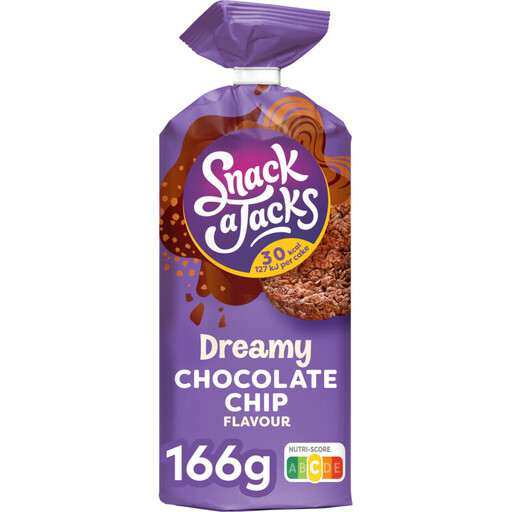
Why this fits the profile: The pack contains chocolate-flavoured rice wafers and states 13 wafers per roll. That makes it easy to count portions and plan a sweet snack for home or on the go.
The product information lists both the value per wafer and per 100g. This means you can better compare portion size and the whole pack side by side.
166g, 13 wafers per roll and 13g of fibre per 100g according to the stated nutrition table.
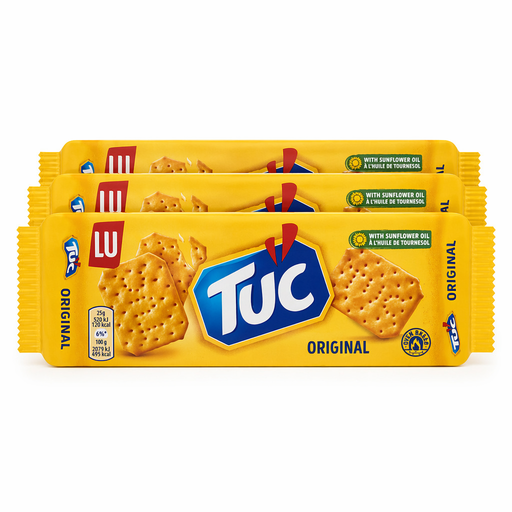
Why this fits the profile: If you’re looking for a familiar savoury snack for drinks or guests, you get three 100g packs. The neutral salty flavour is easy to combine with dips or toppings.
The multipack makes the total quantity clear. You don’t have to rely on the size of the outer packaging alone.
3 x 100g, oven-baked according to the product description and 1.7g of salt per 100g according to the stated table.
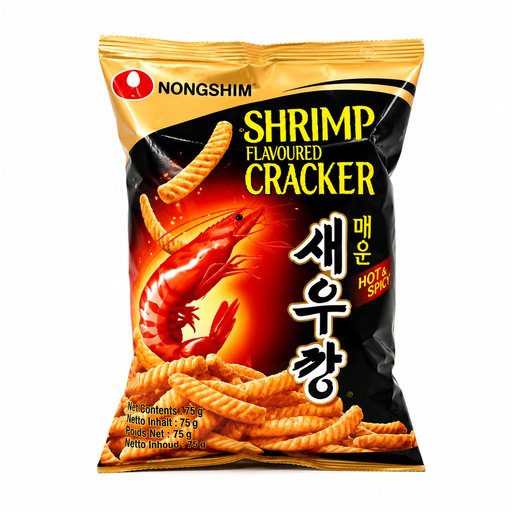
Why this fits the profile: This Korean snack is for anyone looking for a distinctive savoury flavour with a kick. The 75g bag is suitable for trying on its own or serving alongside other Asian snacks.
The product information states 8.5% fresh prawn and lists wheat, prawn and soya as allergens. The flavour description is therefore backed up by verifiable information.
75g, crunchy texture, spicy flavour profile and a clearly stated prawn content.
In addition to these three options, you can also choose from Pocky, Chips Ahoy!, Lay's Big Wave Potato Chips, BIN BIN Rice Crackers, TUC Paprika Crackers, TUC Bacon Flavour Crackers and G'woon Crispy Brownie Chocolate Cookies. With imported products, always check the actual packaging, ingredients and best-before date before eating them.
We’ve put together a full, up-to-date list of products that fully meet these strict selection criteria and comply with current European safety regulations.
Choose a small pack that’s easy to reseal or is portion-packed. Pocky at 45g or 47g, Oishi Bread Pan at 42g and NongShim Shrimp Cracker at 75g are examples of compact sizes. Do check allergens and the sturdiness of the packaging beforehand.
The fairest comparison is the price per 100g. Also look at the number of portions and the packaging. A multipack can be handy for a party, but a single pack can be better value when you want to try a new flavour first.
This varies by product. Store snacks in a dry, cool place away from direct sunlight. Seal the pack carefully after opening and follow the best-before information on the label. If the texture becomes soft, there’s an unusual smell or the packaging is damaged, it’s best not to use the product.
