
Vandaag of morgen in huis

Kwaliteit gegarandeerd

Welkomstaanbiedingen ontgrendelen: GRATIS bezorging | Tot 80% korting | Gratis 30 dagen JoyPlus-proefperiode
Download de app
A bag of crisps for the film, a bar on the go, or a protein-packed snack after exercise: snacks come in all shapes and sizes. That’s precisely what makes comparing them so tricky. A packet boasting words like “protein”, “organic” or “baked” doesn’t automatically tell you whether the product suits your eating occasion.
The most important question isn’t which snack promises the most, but which composition, portion size and shelf life match how you’ll use it. Below you’ll find practical points to consider, along with a selection of snacks for home, work, school, sport and on the go.
Healthy snacks, organic snacks and vegetable crisps can still be relatively high in energy, fat or sugar. Nut bars, for example, are often rich in fats – which occurs naturally in nuts. An organic label mainly tells you about how the ingredients were produced, not automatically about the amount of sugar, salt or calories.
Always check the nutritional information per 100g and per portion. A small bar may contain few calories per piece, while a large bag is intended for multiple servings.
Protein bars and other high-protein snacks vary widely in their composition. Alongside the protein content, also check the amount of sugar, saturated fat, fibre and salt. Products containing sweeteners may also carry a warning about excessive consumption. That’s relevant if you eat several bars in a day.
Also pay attention to the source of the protein. It could come from milk, whey, soya, peanuts, nuts or fish, for example. These ingredients matter for anyone with an allergy or dietary preference.
According to Yan Jin Pu Zi’s own product information, the O’Potato crisps are baked rather than fried, and the variants contain 24g of fat per 100g. That’s a verifiable product specification, but it doesn’t make the snack automatically low in calories: both the tomato and barbecue flavours list 502 kcal per 100g.
Vegetable crisps can also be similar to other savoury snacks due to oil and starch. So look beyond the preparation method and compare the full nutritional table.
For snacks on the go, individually wrapped or small portions are practical. They help you decide in advance how much to take with you. For home or sharing, a larger pack can be better value, but do check how many portions the manufacturer states.
Examples from the range:
Always compare products on the same basis. A few examples:
These figures give you direction, but they don’t tell you which snack is right for everyone. A bar with more protein is particularly interesting when it fits your eating occasion or training schedule.
The ingredients list is in descending order by quantity. Check the first few ingredients if you’re specifically looking for peanuts, grains, fruit or vegetables. Also look out for the allergen declaration.
Common allergens in this range include:
“May contain traces of” is not a detail to skip. If you have an allergy, it’s wise to check the label on the packaging you receive, as recipes and packaging information can change.
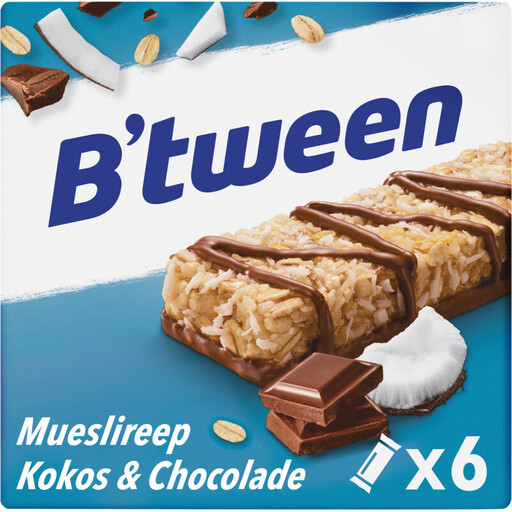
Why this fits the profile: Six individually wrapped bars of 25g each are easy to manage for work, school or a bag on the go.
The portion size is clear. However, do check the 28g sugars and 17g saturated fat per 100g before ordering.
6 x 25g, individually wrapped, with oats, wheat, barley and coconut.
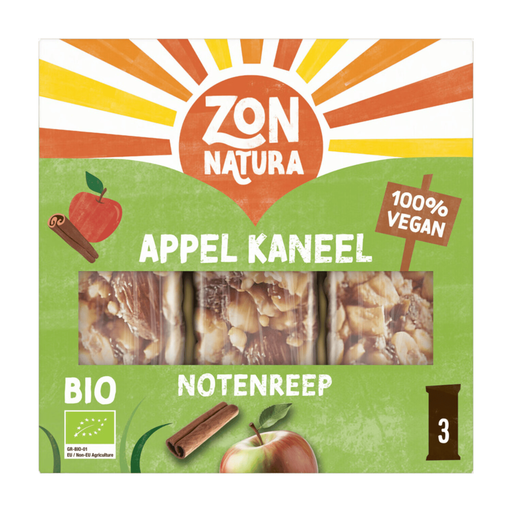
Why this fits the profile: This organic nut bar suits anyone looking for a short ingredients list and a compact portion for home or on the go.
The organic label isn’t used as a nutritional claim. The table shows 528 kcal, 34g fat and 24g sugars per 100g.
3 x 25g, 45% peanuts, 16% almonds and 7.1g fibre per 100g.

Why this fits the profile: This bar is aimed at athletes and anyone deliberately seeking a high protein content per portion.
The claim is backed up by the nutritional values: 50g protein per 100g, 1.4g sugars and 352 kcal per 100g.
50g per bar, 25g protein per bar according to the product information, chocolate flavour.
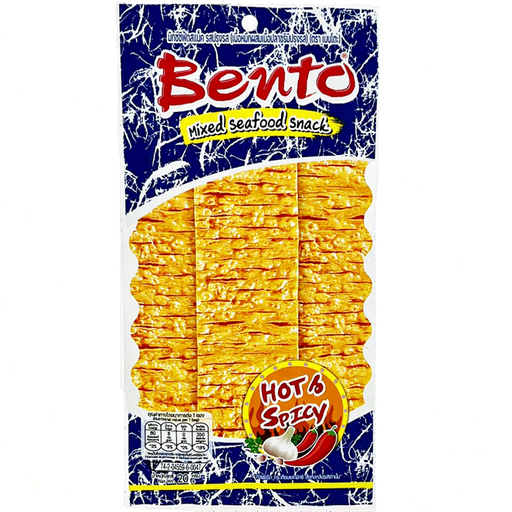
Why this fits the profile: The small pack is ideal for a spicy bite at the office, while travelling or alongside an Asian meal.
The size limits the portion, but the salt and allergen profile need attention. The product information lists fish, squid and prawns.
20g, ready to eat, shelf-stable outside the fridge and with a pronounced hot-and-spicy flavour according to the product description.
For more choice between potato crisps, vegetable crisps, peanuts, sweet snacks, savoury snacks and protein bars, you can also browse the healthy supermarket snacks category. Always check the current product page and packaging before checking out.
We’ve put together a full, up-to-date list of products that fully meet these strict selection criteria and comply with current European safety regulations.
Individually wrapped muesli bars, nut bars, protein bars and small bags of crisps are easy to take with you. Watch out for heat-sensitive chocolate, damaged packaging and the best-before date. For longer journeys, dry snacks that don’t need refrigeration are practical.
No. A protein bar can be high in protein, but also relatively high in fat, calories, sweeteners or salt. Compare the protein content per portion with the ingredients list and nutritional table. Also check whether milk, soya, peanuts or gluten are present.
That varies by product. Store snacks according to the packaging, usually in a cool, dry place away from direct sunlight. Seal opened bags well to keep them crisp and flavourful. If the packaging is damaged or the smell seems off, it’s best not to use the product.
