
Vandaag of morgen in huis

Kwaliteit gegarandeerd

Welkomstaanbiedingen ontgrendelen: GRATIS bezorging | Tot 80% korting | Gratis 30 dagen JoyPlus-proefperiode
Download de app
A bar might seem like a simple snack, but the differences are huge. Some snack bars are primarily intended as a sweet treat, while others focus more on nuts, fibre or protein. If you only look at the front of the packaging, you could end up buying more sugar, allergens or artificial sweeteners than you expected.
These points will help you compare muesli bars, nut bars, protein bars and other snack bars for on the go, at work, during exercise or at home.
A protein bar can be relatively high in protein, but also high in sugar, fat or sweeteners. Always check the nutritional values per 100 grams and per bar. A small size might look favourable, while the nutritional value per 100 grams is considerably higher.
Terms like protein bars and “source of protein” should also be viewed in the context of the full label. According to the product description of some brands, a bar is a source of protein or fibre; that doesn’t automatically mean the bar is suitable for every situation.
With sugar-free bars and bars with no added sugar, it’s important to check the ingredients list. A product can contain naturally occurring sugars. Maltitol, sorbitol or other polyols may also be used. If consumed in excess, some sweeteners can have a laxative effect, as stated on the packaging of certain products.
Nuts, peanuts, milk, soya, sesame and gluten are common in snack bars. Check not only the ingredients, but also the warning “may contain traces of”. If you have an allergy or intolerance, the current packaging is the deciding factor. Product information in a webshop can change.
Ingredients are listed in descending order by weight. If oats, peanut or almond is at the top, this usually forms a significant part of the composition. With organic snack bars, the organic certification mark on the packaging is also relevant. A product description may mention “organic”, but always check the current label when purchasing.
Also look out for the difference between:
Compare the protein content per 100 grams and per serving. In the product information provided, for example, the XXL Nutrition High Protein Bar contains 50 grams of protein per 100 grams. The Grenade Carb Killa is described in the product description as having 20 grams of protein per bar. These are different units of measurement, so don’t compare them without taking the serving size into account.
The same applies to fibre. The Bolletje Cereal Bars list 14 grams of fibre per 100 grams, while the Choco & Nut Bars list 18 grams per 100 grams. A fibre-rich bar can be practical as a snack, but fibre content alone doesn’t automatically make a product suitable for every user.
A multipack is handy for stocking up at the office or for a family, but calculate the price per bar. Also pay attention to individual wrappers. These are practical in a bag or lunchbox and help you control your portions.
On warm days, also check whether the chocolate might melt and whether the bar crumbles. A soft chocolate or caramel bar isn’t always convenient during a bike ride or train journey. Store all products according to the instructions: usually cool, dry and out of direct sunlight.
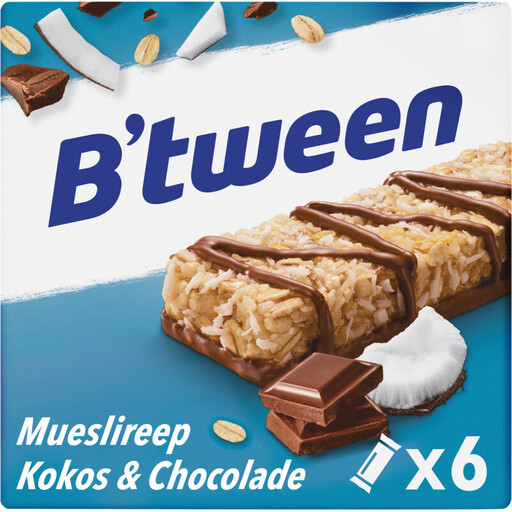
Why this fits the profile: A multipack with six individually wrapped bars for work, home or the lunchbox.
The product description states the contents as 6 x 25 grams, so the serving size is clear. The ingredients and allergens are still important to check beforehand.
Muesli bar with coconut and milk chocolate; individually wrapped; six pieces per pack.
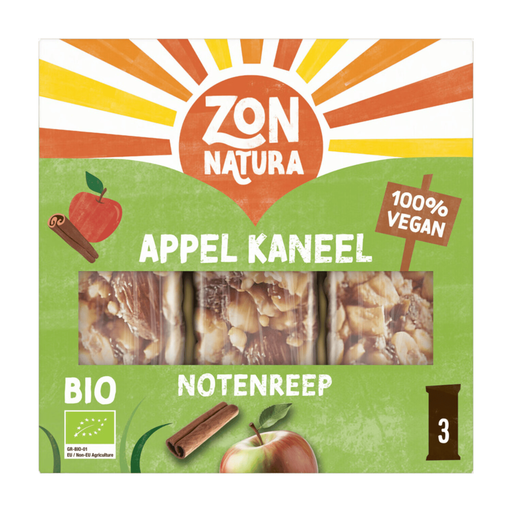
Why this fits the profile: Ideal if you’re looking for organic ingredients, nuts and a fruity cinnamon flavour in a small pack.
The product information mentions a limited ingredients list and agave syrup as a sweetener. The product does contain peanuts, almonds and possibly sesame.
Organic according to the product description; 7.1 grams of fibre and 19 grams of protein per 100 grams; three bars of 25 grams.
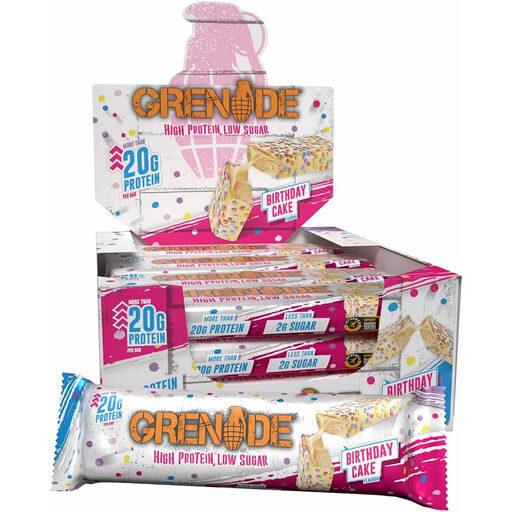
Why this fits the profile: A box of twelve bars for users who regularly take a protein-rich snack after sport or on the go.
The product description states 20 grams of protein and 1.6 grams of sugar per bar. The product contains milk and soya and may contain traces of gluten, peanuts and nuts.
Twelve individually wrapped bars; 60 grams per bar; according to the product description, high in protein and fibre.
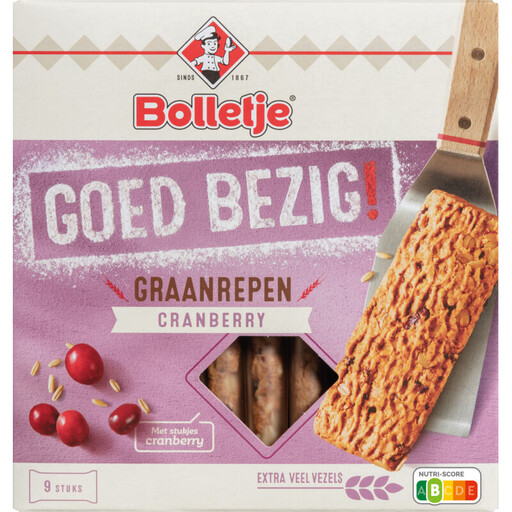
Why this fits the profile: Nine bars per pack make this a practical choice for multiple family members or an office stash.
The packaging states nine pieces and the nutritional information mentions 14 grams of fibre per 100 grams. The product does contain gluten-containing grains and wheat.
210 grams total weight; nine bars; cranberries and grains as main ingredients according to the product description.
We’ve put together a full, up-to-date list of products that fully meet these strict selection criteria and comply with current European safety regulations.
Choose an individually wrapped bar that doesn’t melt or crumble easily. Multipacks with six to twelve pieces are practical for a bag, desk or car. Do check the best-before date and storage advice on the packaging.
That depends on your overall diet and your goal at that moment. Compare protein, sugar, energy and serving size. A product with lots of protein isn’t automatically necessary or suitable for every athlete. For supplement-like products, also follow the usage instructions on the label.
Look at the nutritional value per bar and check whether the product contains sugars, syrups or polyols. “No added sugar” doesn’t always mean there are no sugars present. With bars containing sweeteners, it’s wise to read the warnings about excessive consumption.
