
Vandaag of morgen in huis

Kwaliteit gegarandeerd

Welkomstaanbiedingen ontgrendelen: GRATIS bezorging | Tot 80% korting | Gratis 30 dagen JoyPlus-proefperiode
Download de app
Snack bars might seem easy to pick, but the differences in ingredients, nutritional values and packaging are significant. Whether you’re looking for snack bars and chocolate bars to take on the go, to keep at the office, to pop in a lunchbox or to enjoy after a workout, taste alone isn’t enough.
Three common pitfalls to watch out for:
A 55-gram bar and a 70-gram bar aren’t directly comparable. So make sure you check:
A cereal bar often contains grains and is handy as a snack. That doesn’t automatically mean it’s low in sugar. For example, the Hero B'Tween Muesli Bar Milk Chocolate lists 30 grams of sugar per 100 grams, while the B'Tween Zero variant lists 1.5 grams of sugar per 100 grams and contains 42 grams of polyols. Polyols can have a laxative effect in large amounts. Always read the full nutritional information table.
With protein bars, the protein content is a key point of comparison. The Optimum Nutrition Chocolate Sweet Coconut Bar lists 18 grams of protein per bar. Other variants in the same product range list 18 or 20 grams per bar. When buying multipacks, also check the current product information and the weight per bar.
Ingredients are listed in descending order by weight. If sugar, glucose syrup or a sweetener appears near the top, it makes up a significant part of the recipe.
Pay extra attention to allergens when choosing:
The Be-Kind Dark Chocolate Nut Bar contains almonds and peanuts, among other ingredients, and may contain traces of milk and other nuts. The Choco & Nut Bars 6-Pack contains oats, hazelnut, almond and sesame, and may contain peanuts. If you have an allergy, always check the label on the packaging; recipes and warnings can change.
For a bag, car or desk, individually wrapped bars for on the go are practical. A multipack can top up your stash and makes it easier to compare the price per bar. For a family or visitors, mini bars and sharing bags are ideal, such as Twix Minis, Bounty Mini Bars and KitKat Mini.
Larger chocolate bars are mainly intended for sharing or keeping at home. A Milka Oreo Chocolate Bar of 100 grams, for example, contains 49 grams of sugar per 100 grams. That makes it a sweet treat, not the same type of product as a cereal or protein bar.
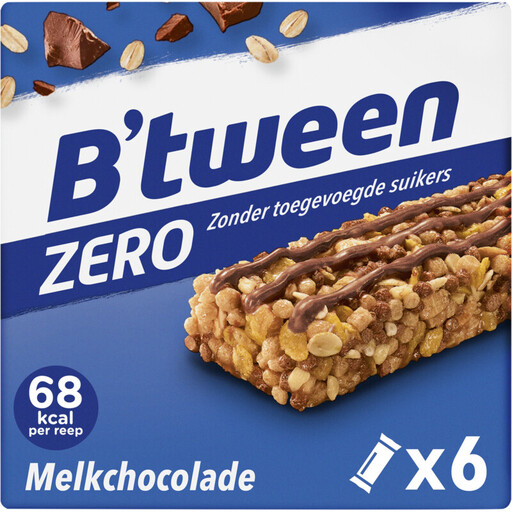
Why this fits the profile: The six individually wrapped bars are easy to take to school, work or on the go. The product information states 68 kcal per bar.
The nutritional information lists sugar and polyols separately. This makes it clear that “no added sugar” is not the same as completely sugar-free.
Individual wrapping, grains including oats, barley and wheat, and a multipack of six bars.
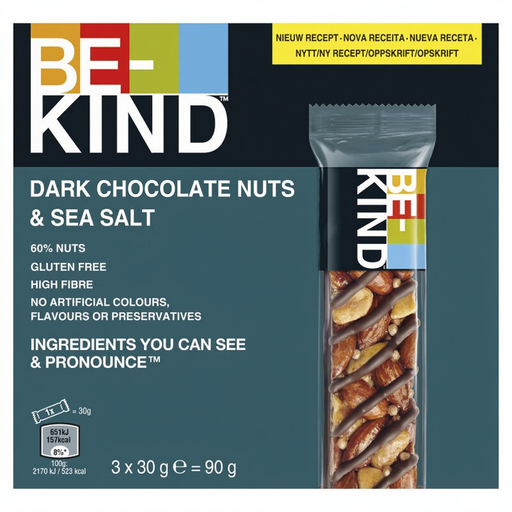
Why this fits the profile: For those looking for a compact combination of nuts and dark chocolate. The pack contains three bars.
The product composition states that 60% is made up of mixed nuts and lists almonds, peanuts, dark chocolate and sea salt separately.
60% nuts, three individually usable bars and 17 grams of protein listed in the nutritional information.
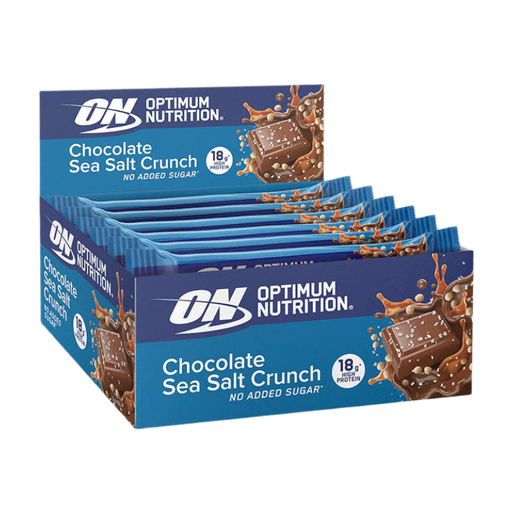
Why this fits the profile: A multipack of 55-gram bars for anyone who regularly keeps a protein-rich snack in their sports bag, car or desk drawer.
The product details list 20 grams of protein per bar and a weight of 55 grams. This lets you compare the portion directly with other protein bars.
12 bars per multipack, 55 grams per bar and a crunchy chocolate sea salt variant according to the product description.
We’ve put together a full, up-to-date list of products that fully meet these strict selection criteria and comply with current European safety regulations.
No. “No added sugar” means that, according to the product claim, no sugar has been added to the recipe. The product may still contain naturally occurring sugars. Sweeteners or polyols may also have been used. Always check the nutritional information table and ingredients list.
Individually wrapped cereal bars, nut bars and protein bars are practical for taking with you. Pay attention to the sturdiness of the packaging, the size and the storage instructions. Chocolate can melt in warm conditions; store bars in a cool, dry place away from direct sunlight, as stated on the packaging.
That depends on your overall diet, preferences and any allergies. A protein bar is a convenient product with a set protein content, but it doesn’t automatically replace a full meal. Also compare sweeteners, fats, sugars and portion size. Claims about muscle growth or recovery come from brands; don’t take them as personal health advice.
