
Vandaag of morgen in huis

Kwaliteit gegarandeerd

Welkomstaanbiedingen ontgrendelen: GRATIS bezorging | Tot 80% korting | Gratis 30 dagen JoyPlus-proefperiode
Download de app
A snack bar may seem like a simple purchase, but the differences between muesli bars, cereal bars, nut bars, protein bars and chocolate bars are significant. A small packet can contain a surprisingly large amount of sugar, sweeteners or allergens. Terms such as “no added sugars”, “organic” and “high protein” also do not automatically mean that a product is suitable for your particular eating occasion.
As a Joybuy Product Recommendation Officer, I filter product information according to practical considerations. This allows you to compare marketing claims with verifiable details and buy snack bars online with greater confidence.
A bar with no added sugars can still contain naturally occurring sugars. Some products are also sweetened with polyols, such as maltitol. So do not just look at the front of the packet; check the nutrition table as well.
For example, the Hero B'Tween Zero Muesli Bar contains 1.5 grams of sugars and 42 grams of polyols per 100 grams. According to the product information, excessive consumption of polyols may have a laxative effect. This does not automatically make the muesli bar unsuitable, but it is relevant information if you eat several bars one after another.
Not every “protein bar” contains the same amount of protein. An ordinary nut bar may provide a reasonable amount of protein from peanuts or almonds, while a specialist protein bar will generally contain considerably more.
Always compare the serving size. According to the product description, the XXL Nutrition High Protein Bar contains 25 grams of protein per 50-gram bar. The Nutramino XL Protein Bar provides 25 grams per 74-gram bar. Both are marketed as high-protein options, but their bar sizes, ingredients and total energy content differ.
An organic bar can still be high in energy or sugars. A gluten-free snack bar may also use other ingredients to maintain its flavour and texture. Always check the complete ingredients list and allergen information.
If you have allergies or intolerances, the packaging is the definitive source of information. Product formulations can change, and the risk of cross-contamination may vary between products.
The nutrition table usually lists values per 100 grams, while a bar often weighs between 25 and 75 grams. You should therefore calculate the values for the actual serving size.
Pay particular attention to:
According to the product information, a Hero Coconut Muesli Bar contains 462 kcal per 100 grams and has a serving size of 25 grams. A Milka Bar Broken Hazelnuts contains 552 kcal per 100 grams. The chocolate bar is therefore primarily a sweet treat, while the muesli bar is sold in a smaller individual format.
Check the first ingredients on the list. They are shown in descending order by quantity. The main ingredients in the Zonnatura Organic Nut Bar with Apple and Cinnamon include peanuts, agave syrup and almonds. According to the product information, the bar is organic and contains apple and cinnamon, but it is not suitable for people who need to avoid peanuts, nuts or sesame.
Many snack bars also contain:
“Gluten-free snack bars” should therefore always be checked against the current packaging. The MadeGood B'Day Cake Drizzled Granola Bar is described as organic and free from many common allergens, but the product information does mention oats and other ingredients. Read the label before ordering.
Individually wrapped bars are practical for snacks on the go. They are easier to keep clean in a bag, and you can take portions with you in advance. A box containing several small bars is better suited to everyday use at the office than a large chocolate bar that you have to store yourself after opening.
You should also consider the temperature. Chocolate can soften in warm conditions or develop a white bloom. According to the product information for KitKat Gold, this can occur when oils separate after melting and solidifying again. Store chocolate snacks in a cool, dry place away from direct sunlight.
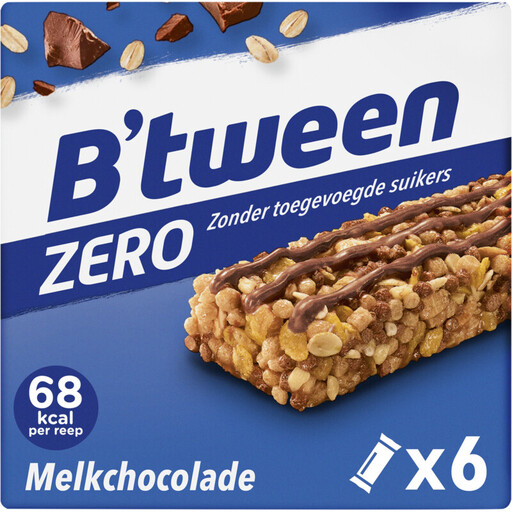
Why it suits this profile: Individually wrapped muesli bars are practical for school, work or carrying in a bag while travelling. The product information states that each bar contains 68 kcal.
As well as sugars, the table lists polyols. This gives you a clearer picture of what “no added sugars” means in practice.
6 bars, individually wrapped, with oats, barley and wheat. Contains milk, peanuts and gluten-containing cereals.
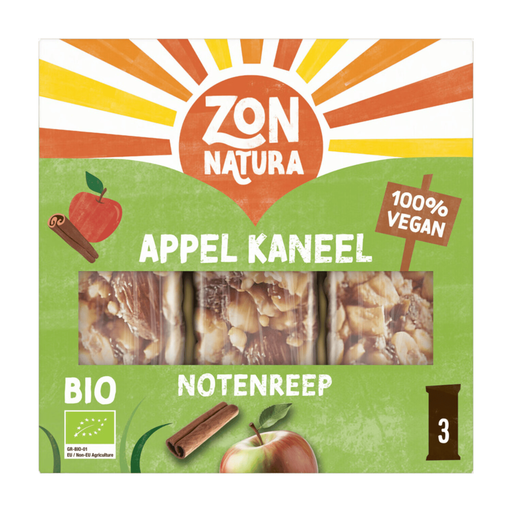
Why it suits this profile: A compact organic nut bar with peanuts, almonds, apple and cinnamon for anyone who values a clear list of ingredients.
The product description explicitly mentions its organic origin and sweetening with agave syrup. The nutritional values also show 24 grams of sugars per 100 grams.
3 bars of 25 grams; 19 grams of protein per 100 grams; contains nuts, peanuts and sesame.

Why it suits this profile: Designed for consumers who are consciously looking for a higher protein intake after exercise or between meals.
The product information states both the 50-gram serving size and the 25 grams of protein per bar. This means you do not have to rely solely on the “high protein” label.
25 grams of protein and 179 kcal per bar according to the product description; 0.7 grams of sugar per bar. Contains milk, soya, peanuts and gluten-containing cereals.
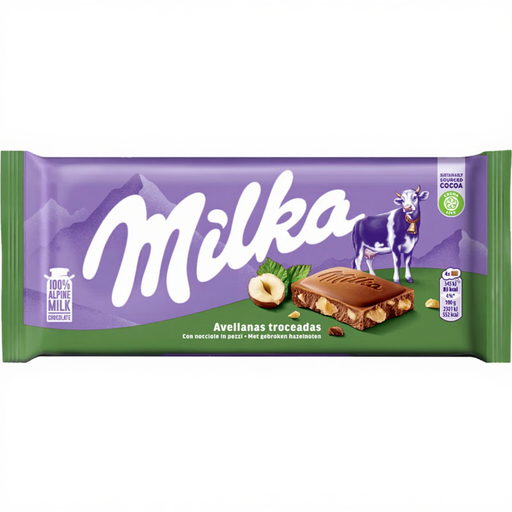
Why it suits this profile: A chocolate bar for a planned moment of indulgence, at home or to share.
The nutritional values make it clear that this is a treat: 52 grams of carbohydrates and 51 grams of sugars per 100 grams.
90 grams of milk chocolate with 9% hazelnut pieces; contains milk, hazelnuts and soya.
We have compiled a complete, up-to-date list of products that fully meet these strict selection criteria and the applicable European safety regulations.
Choose an individually wrapped bar that is not likely to break or melt. Muesli and cereal bars of around 25 grams are compact. In warm weather, check whether chocolate needs to be stored separately.
Protein bars can be a practical option after exercise, depending on your overall diet. Compare the protein content per bar, but also pay attention to energy, sugars, sweeteners and allergens. A product that is high in protein is not automatically suitable for every occasion.
The best-before information is shown on the packaging. Store snack bars according to the product instructions in a cool, dry place away from direct sunlight and moisture. Do not use a product if the packaging is damaged, and if you have allergies, always check the current ingredients list.
