
Vandaag of morgen in huis

Kwaliteit gegarandeerd

Welkomstaanbiedingen ontgrendelen: GRATIS bezorging | Tot 80% korting | Gratis 30 dagen JoyPlus-proefperiode
Download de app
Snack bars may look alike, but they can differ considerably in ingredients, protein, sugar, allergens and portion size. A bar for eating on the go does not need to have the same qualities as a sports nutrition product. Terms such as “no added sugar”, “organic” or “high in protein” do not tell the whole story either.
With this practical guide, you can focus on the information that really matters. That makes it easier to choose between healthy snack bars, protein bars, muesli bars, nut bars and other snacks.
“High protein” or “low sugar” sounds clear, but always check how many grams per bar you are actually getting. A percentage per 100 grams may look favourable, while the individual portion is small. Also check the calories, carbohydrates, fats and fibre.
For example, a low-sugar bar may contain polyols or other sweeteners. Some products therefore carry a warning that excessive consumption may have a laxative effect. This is relevant information if you eat several bars every day.
Organic snack bars can still contain a lot of energy or natural sugars from ingredients such as agave syrup, dates or raisins. For example, Zonnatura states that its nut bar with apple and cinnamon is sweetened exclusively with agave syrup. According to the product information, this bar contains 24 grams of sugar per 100 grams.
That does not make the product unsuitable, but it does make it different from a sugar-free bar. First decide what you need the snack for: a sweet treat, a filling snack or extra protein after exercise.
A product may appear vegan, gluten-free or vegetarian, but always check the full ingredients list and allergen information. Look out for milk, soya, peanuts, nuts, gluten-containing cereals and gelatine. “May contain traces of” is also important if you have an allergy.
Protein bars may contain milk protein, whey, casein and sometimes collagen. These ingredients are not suitable for a vegan diet. An oat bar may be described as gluten-free, but check that the packaging and current product information confirm this too.
Do not compare products only per 100 grams. Also note the weight of each bar:
In practice, a 60-gram bar containing 20 grams of protein provides more protein per bar than a smaller muesli bar, even if the percentage per 100 grams appears similar.
With protein bars, the number alone is not the only thing that matters. Look at the source too. Milk protein, casein and whey are animal-derived ingredients. Collagen is also unsuitable for vegans and vegetarians. Plant-based bars may use soya, peas, seeds or nuts, for example.
The 50-gram Xxl Nutrition High Protein Bar Chocolate lists 25 grams of protein per bar, 179 kcal and 0.7 grams of sugar per bar. According to the product information, the product contains milk protein and collagen hydrolysate, among other ingredients. This makes the bar relevant for athletes looking for a compact source of protein, but not for vegans.
The order of the ingredients shows which components are present in relatively large amounts. Also check:
A low sugar value therefore does not automatically mean that a product is low in calories. Nut bars, for example, can provide relatively high amounts of fat and energy, while still being convenient as a compact snack.
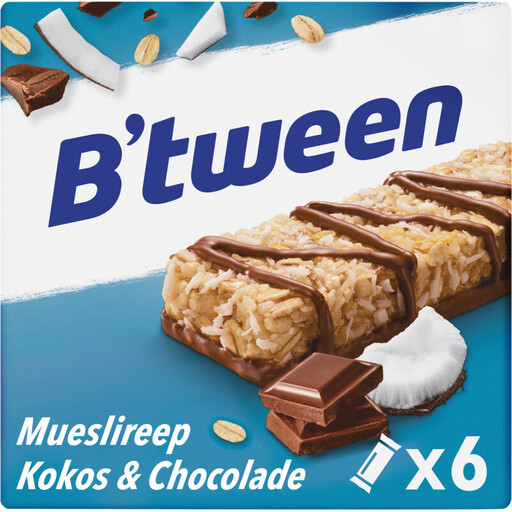
Why it suits this profile: An individually wrapped 25-gram muesli bar is easy to take to work, school or eat on the go.
The portion size and packaging are clearly stated. The bar is not marketed as a protein bar, so you can assess its nutritional value more realistically.
6 x 25 grams; with coconut, chocolate and grains such as oats, wheat and barley; individually wrapped.
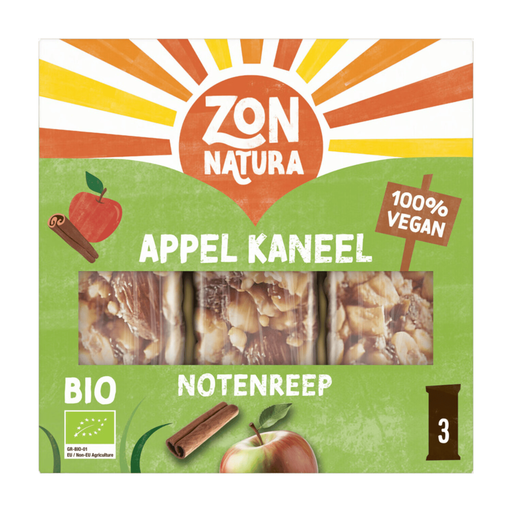
Why it suits this profile: Suitable for anyone looking for an organic nut bar with a short list of recognisable ingredients.
The organic status and sweetener source are specified in the product information. However, check the sugar content and allergens if you are looking for a lower-sugar or nut-free snack.
3 x 25 grams; with 45% peanuts, 16% almonds and 6% apple; ingredients from organic farming according to the product information.
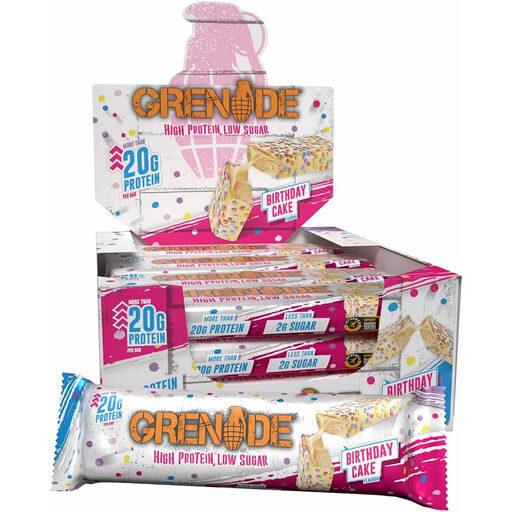
Why it suits this profile: A multipack of individually wrapped bars for athletes and active users looking for extra protein per serving.
The amount per bar is clearly stated: according to the product information, 20 grams of protein and 1.6 grams of sugar per 60 grams. The bar does contain milk and collagen, so it is not vegan.
12 individually wrapped bars; 60 grams each; halal and gluten-free according to the product information; contains milk proteins.
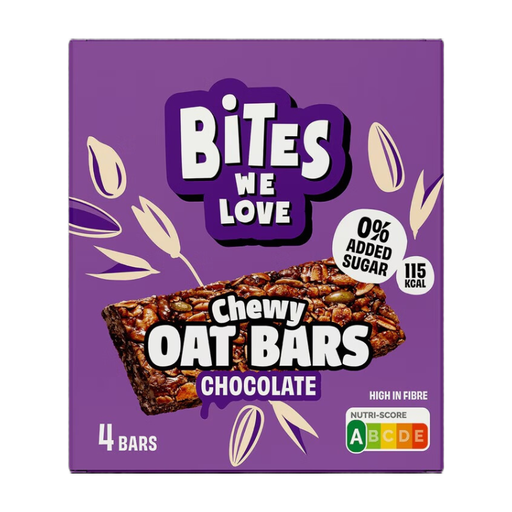
Why it suits this profile: The product information lists gluten-free wholegrain oats and a recipe with seeds, rice and quinoa for a plant-based snack.
The nutritional value is also listed per 30-gram serving: 115 kcal, 0.9 grams of sugar and 2.7 grams of protein. Check the current packaging if you have a specific allergy.
4 bars; 30 grams per serving; 29 grams of fibre per 100 grams according to the product information; contains oats and seeds.
We have put together a complete, up-to-date list of products that fully meet these strict selection criteria and the applicable European safety regulations.
Store bars according to the instructions on the packaging: usually in a cool, dry place away from direct sunlight. A hot car or damp gym bag can affect the texture and flavour. Reseal opened packaging properly and do not use the product if the packaging is damaged.
Individually wrapped bars are convenient for snacks on the go. At home, you may want to consider larger packs, as long as you decide on the portions in advance. This helps prevent a multipack from automatically leading to several bars being eaten one after another.
Look at the protein content per bar, the size and the ingredients. Protein bars containing around 18 to 25 grams of protein per bar may suit someone who wants extra protein after a workout. According to the brands’ own product information, some bars are intended for use around training sessions; they are not a substitute for a varied diet.
No. “No added sugar” does not mean that a bar contains no carbohydrates, calories or sweeteners. Check the full nutrition table and ingredients list. With bars containing polyols, also pay attention to the warning about excessive consumption.
Only choose a bar whose current packaging and product information clearly state this. For vegan products, check for milk, whey, casein, collagen and gelatine. With gluten-free bars, you should also look out for oats, wheat, barley and possible traces information. Labels are a starting point; the allergen list determines whether the product is suitable for your situation.
