
Vandaag of morgen in huis

Kwaliteit gegarandeerd

Welkomstaanbiedingen ontgrendelen: GRATIS bezorging | Tot 80% korting | Gratis 30 dagen JoyPlus-proefperiode
Download de app
Snack bars are handy when you’re out and about, at work, in your gym bag or between meals. But eye-catching packaging tells you little about what’s inside. A bar may be marketed as “fit” or “no added sugar”, while its sugar content, portion size or protein level may not suit your needs.
This buying guide helps you compare protein bars, muesli bars, nut bars, organic bars, chocolate bars and sugar-free bars using facts you can check. That way, you can choose the right individual bar or multipack of snack bars.
A product with no added sugar may still contain naturally occurring sugars. Sugar alcohols, such as maltitol and xylitol, are sometimes used too. The packaging often carries a warning that excessive consumption may have a laxative effect.
So don’t just look at the front of the pack. Check:
A protein bar with 20 grams of protein may appeal to people who do sport or lead an active lifestyle, but its size, calories and sweeteners still matter. A bar with less protein may be a better fit if you’re simply looking for a small snack to take with you.
Always compare the nutritional values per bar. Values per 100 g make it easier to compare different bars, but don’t tell you how much you’ll actually eat.
You may prefer organic bars because of where their ingredients come from. That doesn’t automatically mean they’re low in sugar or calories. Nut bars often provide fats and energy, while chocolate bars generally contain more sugar. That doesn’t make them unsuitable, but it does mean they’re suited to different occasions.
Check the allergens too. Nut bars may contain peanuts, almonds, cashews and sesame, among other ingredients. “May contain traces” is important if you have an allergy.
A higher protein content can be useful in a bar you eat after exercise. For example, Barebells product information lists 20 grams of protein per 55 g bar. Optimum Nutrition also lists 20 grams per 70 g Nutty Chocolate Caramel Bar. These are verifiable product details, not a guarantee of any particular physical effect.
Fibre can help you feel fuller for longer, but look at the overall composition too. Bites We Love Chewy Oat Bars Chocolate lists 8.6 grams of fibre and 2.7 grams of protein per 30 g serving. This makes it a different kind of snack from a substantial protein bar.
A low sugar value can be useful if you’re consciously trying to eat less sugar. For example, Hero B’Tween Zero bars list around 1.5 to 1.7 grams of sugar per 100 g, but also around 42 grams of polyols. So always read the warning on the packaging and consider whether sweeteners suit your eating habits.
Traditional chocolate bars have quite different values. Snickers, for example, lists 51 grams of sugar per 100 g, while Bounty lists 48 grams. These are sweet treats rather than bars you’d choose for their protein or fibre content.
A multipack is handy for stocking up, sharing with the family or keeping in your gym bag, but check how many grams each bar weighs. A box of twelve small bars is quite different from three large 70 g bars. Individually wrapped bars are practical when you’re out and about and make it easier to keep portions separate.
Store snack bars as instructed on the label: usually in a cool, dry place away from direct sunlight. Check the best-before information on the packaging when your order arrives. If the packaging is damaged, it’s better not to use the product.
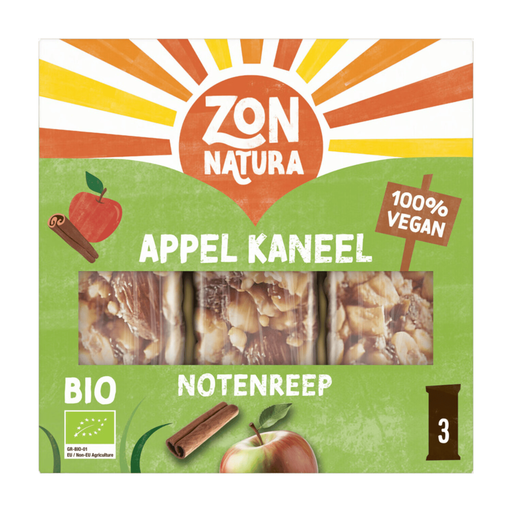
Why it suits this profile: Three small 25 g bars are ideal if you’d like to try different nut bars before buying a larger quantity. According to the product information, the bar contains peanuts, almonds, apple and cinnamon, among other ingredients.
The portion size is clearly defined, and the ingredients list identifies agave syrup as the sweetener used. The product is labelled organic, but according to the nutritional information it contains 24 grams of sugar per 100 g.
Organic ingredients according to the product information, easy to portion individually and compact packaging for when you’re out and about.
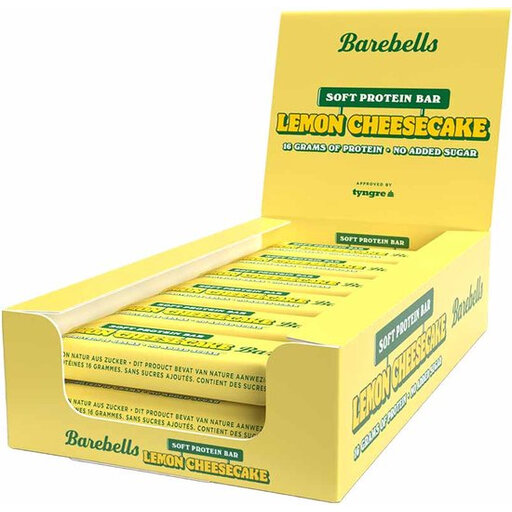
Why it suits this profile: This multipack is aimed at active adults looking for a high-protein snack with a soft texture. According to the product information, each bar contains 20 grams of protein and is individually wrapped.
The protein content is listed per bar. “Low in sugar” is based on the product information; always check the current label for exact values and sweeteners before buying.
20 grams of protein per bar according to the product information, twelve individually wrapped bars, ideal for keeping at home or in your gym bag.
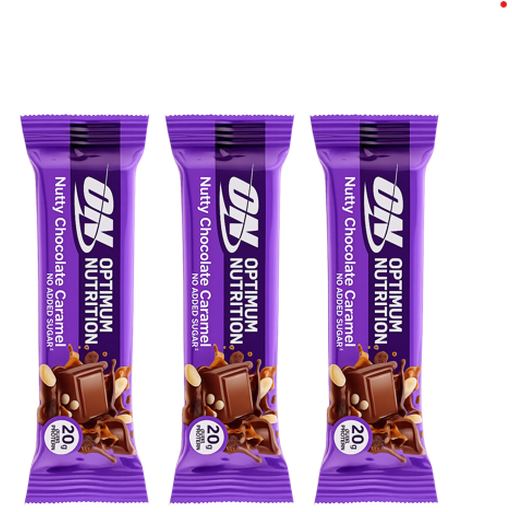
Why it suits this profile: These three 70 g bars are designed as a convenient high-protein snack for adults with an active lifestyle. According to the product information, each bar contains 20 grams of protein and has no added sugar, but does contain naturally occurring sugars.
The product information distinguishes between no added sugar and naturally occurring sugars. Milk, soya and peanuts are also clearly listed as allergens.
20 grams of protein per bar, a chocolate caramel flavour and a 70 g size that makes it a substantial snack after an active day.
We’ve put together a complete, up-to-date list of products that meet these strict selection criteria and the current European safety regulations.
Start by thinking about what you need it for. If you’re looking for a high-protein option, compare the protein content per bar. For a small snack on the go, compact muesli bars or nut bars are more practical. Check the packaging, allergens and sugar content too.
Not necessarily. “No added sugar” or “sugar-free” doesn’t tell you everything about calories, polyols, fats or portion size. Read the nutritional information and look out for any warning about excessive consumption.
Generally, store bars in a cool, dry place away from direct sunlight. Keep the packaging sealed until you’re ready to eat the bar, and don’t use it if the packaging is damaged. The exact shelf life and storage instructions are on the product label.
