
Vandaag of morgen in huis

Kwaliteit gegarandeerd

Welkomstaanbiedingen ontgrendelen: GRATIS bezorging | Tot 80% korting | Gratis 30 dagen JoyPlus-proefperiode
Download de app
The snack bar aisle can be overwhelming. The packaging makes lofty promises, from "healthy snacks" to "energy boosts." But how often have you bought a bar that turned out to be a disguised sugar bomb or simply didn't live up to the hype?
As a Product Recommendation Officer at Joybuy, I see every day how marketing can complicate your choice. Many bars aren't what they seem. Before you buy another box that ends up forgotten in the back of the pantry, let's look at two common pitfalls that cost you money and derail your good intentions.
To avoid making a bad purchase, it's essential to look past the marketing buzzwords and focus on a few key specifications. These three points on the label will give you an honest picture of what you're buying.
The most important indicator of a low-sugar bar is the nutritional information table. Don't just look at the amount per bar; focus on the per 100 grams column. This makes it easier to compare different products objectively.
For those seeking functional protein bars, the amount of protein is crucial. A bar with at least 20 grams of protein is often considered a great choice for muscle recovery after a workout. Bars with 10-15 grams of protein can be an excellent satiating snack. The source of the protein (whey, casein, soy, or plant-based) can also be relevant, depending on your dietary needs and any allergies.
Fibre and whole grains in muesli or granola bars contribute to a long-lasting feeling of fullness. This makes them suitable on-the-go snacks that prevent you from feeling hungry again an hour later. A bar with more than 6 grams of fibre per 100 grams is a good indicator of a high-fibre choice.
Based on these objective criteria, we've highlighted several popular choices that fit different lifestyles.
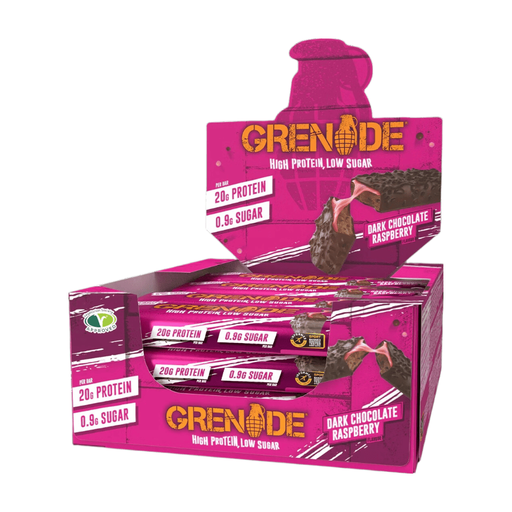
Why This Fits Their Persona: This bar is geared towards performance. It's ideal for after a tough workout to support muscle recovery without increasing your sugar intake. The dark chocolate and raspberry flavour combination makes it a treat to look forward to.
This bar sidesteps the vague protein promise by delivering a concrete 20 grams of protein per bar with less than 2 grams of sugar. It's a functional snack that delivers on its promise.
High protein content, very low sugar content. Its taste and texture are often compared to a premium candy bar.
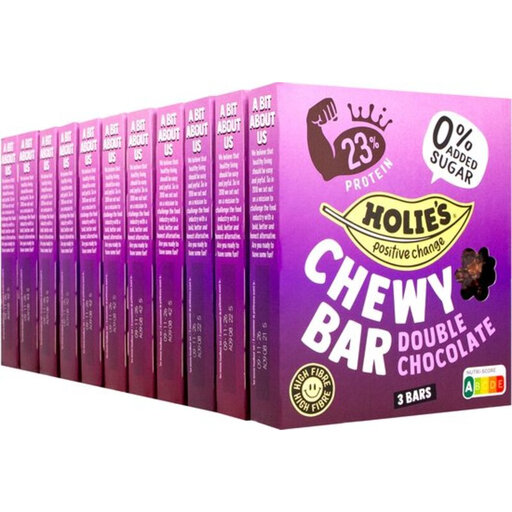
Why This Fits Their Persona: For anyone who has a long workday and wants to avoid an afternoon slump. This bar is a convenient on-the-go snack that's not only tasty but also genuinely filling, thanks to its combination of protein and fibre.
This bar completely avoids the "healthy" sugar trap. With only 2.9 grams of sugar per 100 grams and no added sugars, it's a genuinely low-sugar option that still offers a rich chocolate flavour.
Very high in fibre (21g/100g) and protein (23g/100g), ensuring a long-lasting feeling of fullness. The chewy texture is a pleasant change of pace.
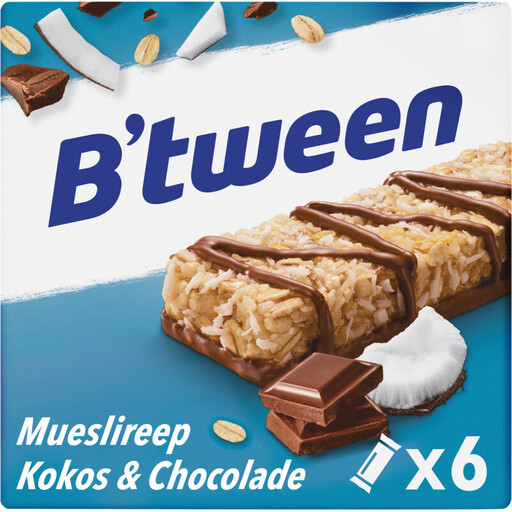
Why This Fits Their Persona: A classic, reliable choice for the pantry. It's perfect for lunchboxes, as a quick after-school snack, or for on the go. The combination of coconut, chocolate, and grains is a crowd-pleaser.
This is a traditional muesli bar where flavour comes first. It's not a low-sugar bar (28g sugar/100g), but it's an honest product: a tasty grain bar. Knowing this helps you avoid falling for an unrealistic health claim.
Familiar taste from a well-known brand. Conveniently individually wrapped, making it a practical on-the-go snack.
We have compiled a complete, up-to-date list of products that meet these selection criteria and local regulations.
That depends on your goal. If you're actively looking for a low-sugar option, aim for bars with less than 10 grams of sugar per 100 grams. For a truly functional, low-sugar bar, less than 5 grams per 100 grams is a good guideline. Always compare the 'per 100 grams' values for an honest assessment.
No, not at all. While they are popular for muscle recovery, a protein bar can also be a practical and filling snack for anyone. Protein provides a longer-lasting feeling of fullness than carbohydrates, which can help curb hunger between meals. Just be mindful of the total calories if you're not working out, as some protein bars can be quite calorie-dense.
The main difference lies in the preparation. Muesli typically consists of unbaked grains, nuts, and seeds. Granola is baked, often with oil and a sweetener like honey or syrup. This usually makes granola crunchier, but it can also contain more fat and sugar. A muesli bar is often softer (chewy), while a granola bar has a firmer 'bite'.
