
Vandaag of morgen in huis

Kwaliteit gegarandeerd

Welkomstaanbiedingen ontgrendelen: GRATIS bezorging | Tot 80% korting | Gratis 30 dagen JoyPlus-proefperiode
Download de app
A smoothie maker seems simple: add the ingredients, press a button and you’re done. Yet many people buy an appliance that they use less and less after a few weeks. Usually, the problem isn’t the smoothie itself, but misjudging the power, capacity, cleaning requirements or portability.
When buying a blender, there are three common pitfalls to watch out for:
For soft ingredients such as bananas, yoghurt and ripe fruit, a compact smoothie blender is often enough. If you also want to blend frozen fruit, nuts or ice, look at the combination of:
A powerful blender isn’t automatically suitable for every recipe. Check whether the manufacturer specifically says it can crush ice, and bear in mind the recommended filling level. Some compact models, for example, require a short blending cycle followed by a rest to prevent overheating.
A 300 to 700 ml cup is ideal for a single serving or a drink to take with you. For a family or several glasses, a 1.5 to 2.1-litre jug is more practical. Note the difference between:
Also check whether the cup is BPA-free, dishwasher-safe and marked with a clear maximum fill line.
You should be able to clean a blender thoroughly after each use. Removable parts and dishwasher-safe cups save time. The motor base must not be submerged in water. The blades are sharp, so take care when removing or cleaning them.
Also look for:
A CE mark is relevant to European conformity, but on its own it doesn’t tell you whether an appliance is right for your everyday needs.
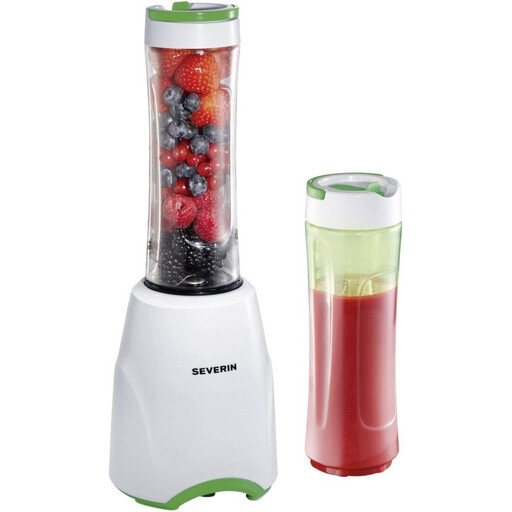
Why it suits this type of user: The two 600 ml Tritan cups are ideal for individual smoothies, milkshakes and sports drinks. After blending, simply twist on the lid and take your cup to the office or gym.
The travel cups are part of the design, so you don’t need to check separately whether a blending cup is also suitable for taking out and about.
300 W, two speeds, pulse function and dishwasher-safe parts.

Why it suits this type of user: This model is designed for households that make both individual smoothies and larger batches. The jug has a 2.1-litre capacity, and the set also includes a 700 ml cup.
The specifications list both a large jug and a separate cup. According to the product description, BlendSense adjusts the time and speed to suit the ingredients and quantity.
1200 W, 14 manual speeds, an ice crusher and four automatic programmes.
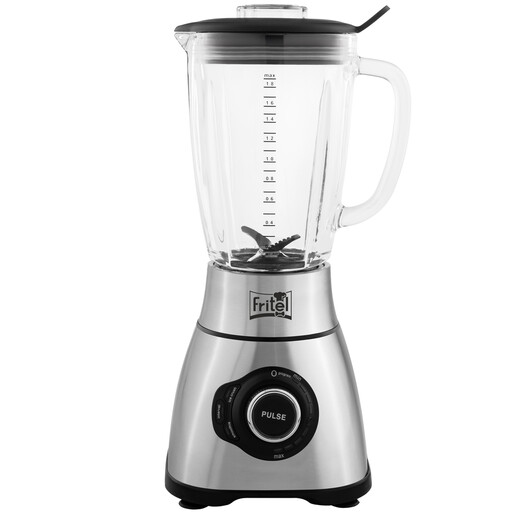
Why it suits this type of user: The 1.8-litre glass jug and Smoothie, Interval and Ice Crush programmes are well suited to larger portions and a range of kitchen preparations.
You don’t have to rely on a marketing claim alone: the product information lists specific programmes, capacity, noise level and dishwasher-safe parts. Do note that the title states 1800 W, while the technical specifications state 24,000 rpm.
1.8-litre glass jug, pulse function, automatic shut-off after 10 minutes and removable blade assembly.

Why it suits this type of user: The 1.5-litre jug and settings for baby food, juice, chopping and herbs offer flexibility for everyday cooking. Always check the age guidance and nutritional advice for the recipe or product before use.
The product description lists several uses and highlights cleaning as something to consider. The manual warns that the blades are sharp and advises against running the blender continuously for more than one minute, with sufficient rest time between uses.
600 W, 1.5-litre capacity, three speeds, ice-crushing function and easy to dismantle.
A blender can make homemade fruit purée, but a fruit pouch for children aged 12 months and over is more convenient when you’re out and about. Always check the age guidance on the packaging. For example, Olvarit has varieties for children aged 12 months and over, such as Mixed Berries, Coconut Milk & Mango and Apricot Banana Grains. The product information states that these products have no added sugars, but they do contain naturally occurring sugars. That doesn’t mean they’re sugar-free.
For younger children, the age guidance matters. According to the product information, the Olvarit Apple Banana Orange variety is suitable from 6 months. Before use, check the latest packaging, allergen information and storage instructions. Once opened, a pouch should generally be resealed, kept in the fridge and used within 24 hours. A product for children aged 12 months and over isn’t automatically suitable for a 6-month-old baby.
We’ve put together a complete, up-to-date list of products that meet these strict selection criteria and the applicable European safety requirements.
For soft fruit, yoghurt and liquids, 600 watts may be enough. For ice, frozen fruit or hard ingredients, the blade design, pulse function and manufacturer’s instructions are at least as important as the wattage.
How long it lasts depends on how often you use it, the ingredients and how well you maintain it. Don’t use the appliance for longer than the manual allows, don’t exceed the maximum fill line, and let the motor cool down when instructed. Your statutory rights are separate from any guarantee of the appliance’s total lifespan.
Energy use depends on the power rating and blending time. A 600-watt appliance running for one minute uses approximately 0.01 kWh in theory. The actual cost depends on your energy tariff. Regular cleaning and using the appliance correctly can also help prevent unnecessary replacement.
