
Vandaag of morgen in huis

Kwaliteit gegarandeerd

Welkomstaanbiedingen ontgrendelen: GRATIS bezorging | Tot 80% korting | Gratis 30 dagen JoyPlus-proefperiode
Download de app
An outdoor security camera may seem easy to choose, but product pages often focus on megapixels, artificial intelligence and long battery life. In practice, other factors determine how well a camera works around your front door, garden, driveway or business premises.
The three most common pitfalls:
High resolution without good night vision
A 2K security camera may show sharp footage during the day, but that tells you little about how well it captures people in the dark. Also check for infrared, colour night vision, a built-in light and the range of the night mode.
Assuming “wireless” means maintenance-free
A wireless security camera still usually needs Wi-Fi and a battery. Walls, distance from the router and cold weather can affect the connection and battery life. With a camera that has a solar panel, performance also depends on its position and the amount of sunlight available.
AI detection and cloud features without checking the costs
A smart security camera can distinguish between people, vehicles and parcels, but some features may depend on an app or subscription. Check in advance whether local storage is available and which alerts you can use without a paid plan.
A fixed camera may be enough for a narrow entrance. For a wide driveway or garden, a broader field of view is more practical. Don’t just look at the number after “2K”; also consider:
A camera with person and vehicle detection can send more relevant alerts than basic motion detection. According to the manufacturer’s product information, some models can also recognise animals, parcels or other objects. Think of this as a way to filter alerts, not a guarantee that every movement will be recognised correctly.
A battery-powered camera is handy for renters or places without a power socket. Check the conditions under which the stated battery life was measured. Frequent live viewing, night lighting and alerts can use more power.
A camera with a solar panel can reduce how often you need to recharge it, but make sure the panel is positioned away from shade and clean it from time to time. Also check:
A security camera without a subscription can be appealing if local storage is enough for you. The purchase price isn’t the only thing to consider: also look at storage capacity, app support and replaceable batteries.
For outdoor use, the casing should be suitable for rain and dust. Look for a stated IP rating, such as IP65 or IP66, and check whether it applies to the whole camera or just one component. Mount the camera securely, ideally out of reach of vandals, but make sure the lens isn’t aimed solely at the public road or your neighbours’ property.
Use privacy zones if the app supports them. Two-way communication is useful for deliveries, but let visitors know when audio is being used. Choose strong, unique Wi-Fi login details and install firmware updates.
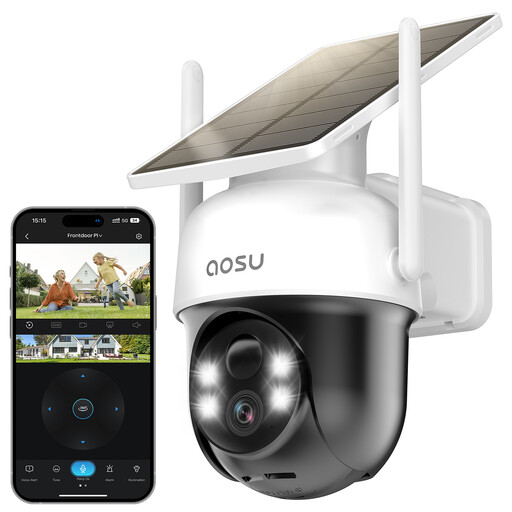
Why it suits this buyer: A practical starting point if you’re looking for wireless installation, broad coverage and local control without installing several cameras straight away.
The product information lists 2K/3MP footage, a built-in solar panel, PIR motion detection and automatic tracking. Before installation, check the amount of sunlight the location gets and the Wi-Fi coverage.
2K/3MP resolution, panoramic PTZ function, two-way communication and colour night vision, according to the product description.
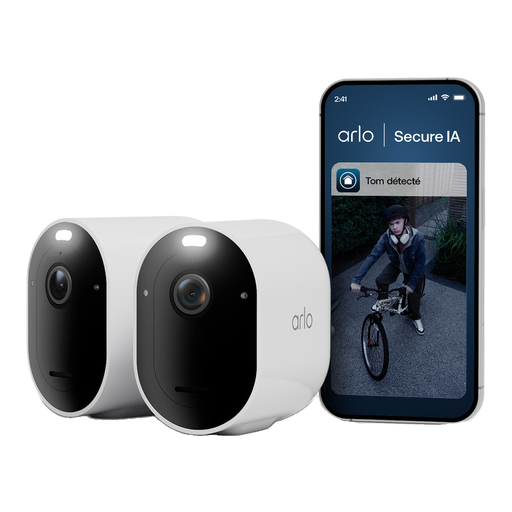
Why it suits this buyer: A good fit for a home with several areas to keep an eye on, such as the front door, driveway and garden, where image quality and alert settings matter.
The listed specifications include 2K+ HDR, a 160° field of view, infrared and colour night vision, and dual-band Wi-Fi. Check which AI features require a Secure subscription.
Two cameras, 2560 × 1440 pixels, two-way communication, a siren and motion detection, according to the product details.
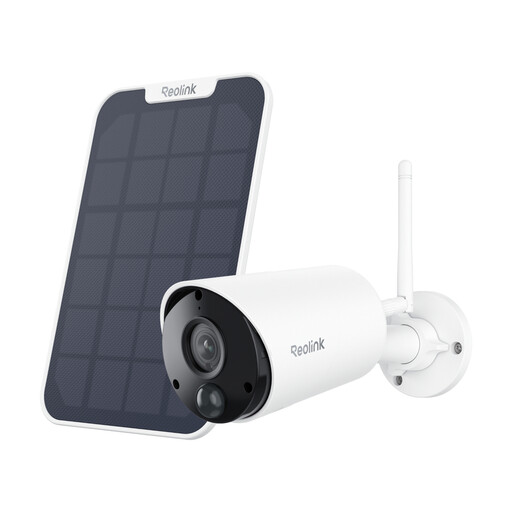
Why it suits this buyer: A sensible choice for a spot without an easily accessible power supply, such as a shed, back garden or side wall.
The listed information includes a 5200 mAh battery, support for a solar panel and local microSD storage. Actual battery life will depend on the settings, temperature and how the camera is used.
5MP resolution, person and vehicle detection, two-way communication, an IP65 rating and night vision up to 10 metres, according to the product description.
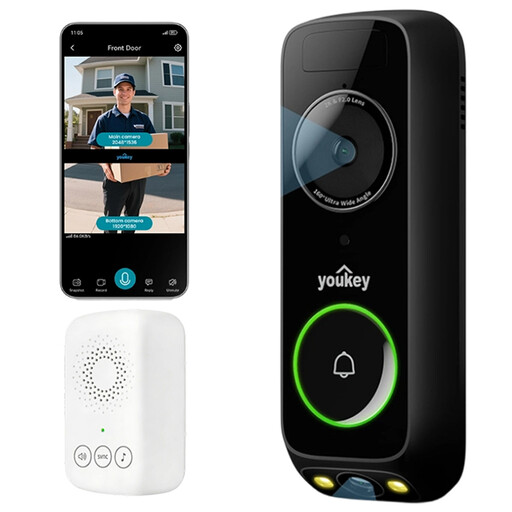
Why it suits this buyer: Handy for households that mainly want to keep an eye on the front door, visitors and parcel deliveries.
The product information lists two cameras, radar and PIR detection, local storage via 8 GB eMMC, and no monthly fees. Check the installation instructions and Wi-Fi compatibility in advance.
2K footage, colour night vision, parcel detection, two-way communication and 2.4/5 GHz Wi-Fi, according to the product details.
We’ve put together a complete, up-to-date list of products that meet these strict selection criteria and the applicable European safety requirements.
Usually not completely. The camera may be able to record locally to a microSD card, but live viewing and push notifications generally require a Wi-Fi or internet connection. Check the signal at the installation spot and test the connection before securing the camera in place.
It depends on the image quality, motion alerts, temperature, night lighting and how often you watch live footage. Any stated battery life is therefore only a guide. A camera with a solar panel can reduce the need to recharge, but it doesn’t replace good positioning, regular maintenance and battery-level checks.
Yes, but they serve a different purpose from camera surveillance. A smoke alarm detects smoke, a carbon monoxide alarm warns you of carbon monoxide, and a bike alarm responds to movement or tilting. For smoke and carbon monoxide alarms, check the standards listed, such as EN 14604 or EN 50291, and follow the manufacturer’s installation instructions. This helps you protect your home and the belongings around it.
