
Vandaag of morgen in huis

Kwaliteit gegarandeerd

Welkomstaanbiedingen ontgrendelen: GRATIS bezorging | Tot 80% korting | Gratis 30 dagen JoyPlus-proefperiode
Download de app
A smoke alarm may seem like a simple product, but differences between models can make a real difference in everyday use. For example, a budget alarm may have a replaceable battery, while another model uses a built-in battery designed to last 10 years. Not all alarms are suitable for wireless linking, a holiday home or a multi-storey property either.
When buying a smoke alarm, focus on specifications you can verify. Eye-catching design, an app or a high alarm volume isn’t enough on its own. Check the installation instructions, the standard shown on the product packaging and the recommended service life too.
The purchase price doesn’t tell you what a smoke alarm will cost to use over the longer term. With a model that has a replaceable battery, you’ll need to factor in the cost of buying and replacing it periodically. A smoke alarm with a 10-year battery may make maintenance simpler, but check whether the entire alarm needs replacing after that time.
A Wi-Fi smoke alarm or smart smoke alarm with an app can send alerts to your smartphone. This can be particularly useful when you’re away from home. However, it relies on Wi-Fi, a power supply, app compatibility and correct configuration. An app is no substitute for an audible alarm in your home.
According to information from the brand, some Heiman models support connections to the Tuya or SmartLife apps. Before you buy, check which app, frequency and network requirements apply to the specific model.
A smoke alarm in the hallway won’t automatically cover your whole home. Consider bedrooms, landings, living rooms and areas where there may be a source of heat. In larger homes, an interlinked smoke alarm can be more practical: according to the product description, when one alarm detects smoke, linked devices can sound an alarm at the same time.
Also be aware of places where an alarm may be less suitable, such as directly next to a hob, in a steamy bathroom or in a dusty room. Always follow the installation instructions.
EN 14604 is the European standard used for smoke alarms. The product information should make clear whether the model is certified to or complies with this standard. Check the packaging, user manual and product page. A marketing claim such as “safe” is no substitute for a standard you can verify.
A photoelectric smoke alarm uses an optical detection method. Some models state this explicitly in the product name or specifications. This makes the claim verifiable, but it doesn’t mean every situation will be detected without a false alarm. Fit the device according to the instructions and test it regularly.
A smoke alarm with an 85 dB alarm is often described in the product specifications as having a loud audible alarm. How clearly you can hear it also depends on distance, doors, walls and the noise level in your home. Test whether the alarm can be heard in the areas that matter.
A test button and a mute or pause function are useful extras. Only use the mute function temporarily. If false alarms happen repeatedly, look for the cause, such as steam, dust or an unsuitable installation location.
A model with a built-in lithium battery can reduce maintenance. The stated service life is a manufacturer’s product specification, so check what you need to do once that period is over. If the alarm has a replaceable battery, make sure you fit a suitable replacement in good time.
A wireless smoke alarm or interlinkable smoke alarm can be useful in a multi-storey home. Check the maximum number of devices that can be linked, the range and how to set up the connection. The range includes models described as supporting up to 40 wirelessly connected alarms. Check whether walls and floors affect the signal in your home.
You need a separate carbon monoxide alarm or CO alarm with EN 50291 to detect carbon monoxide. A standard smoke alarm does not automatically detect carbon monoxide. A combination model may offer both functions, but check that the specifications clearly cover both types of detection.
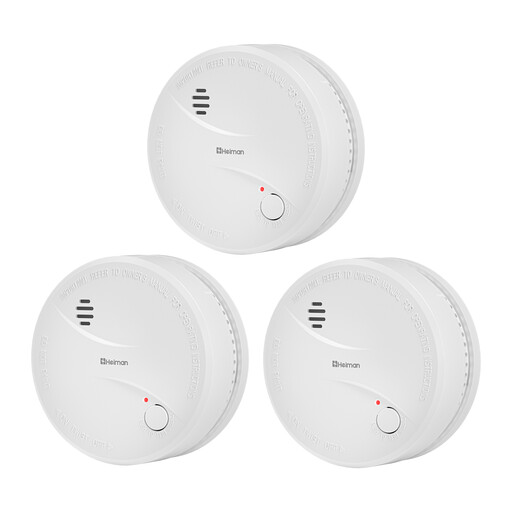
Why it suits this type of buyer: A pack of three is practical for a flat or small home with several key rooms. The product name specifies a photoelectric sensor, EN 14604 and a 10-year battery.
You don’t need to start by combining several individual models with different specifications. Just check whether three alarms are enough for your layout.
Pack of 3, 85 dB alarm according to the product information, photoelectric detection and stated EN 14604 certification.
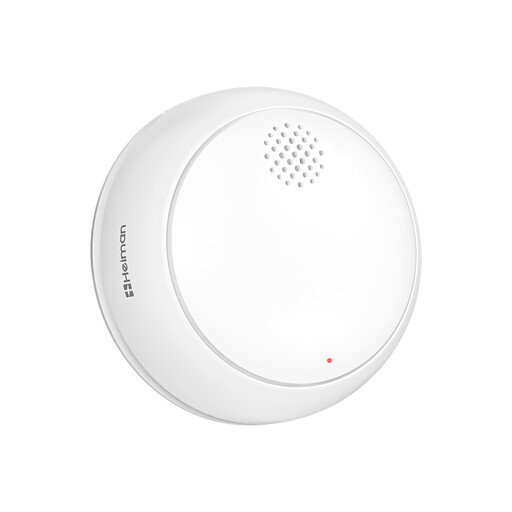
Why it suits this type of buyer: A good choice if you want smartphone features as well as a local alarm, and are happy to check the Wi-Fi and app settings carefully.
The Wi-Fi function isn’t used as a replacement for the alarm signal. Before buying, check app support, network requirements and battery type.
Wi-Fi functionality with app according to the product name, replaceable battery, 85 dB alarm and stated compliance with EN 14604.
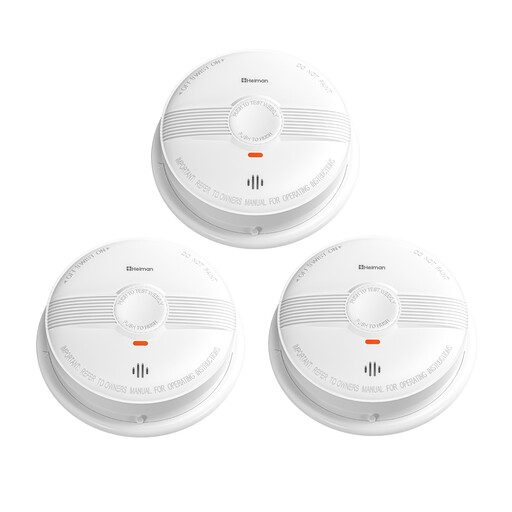
Why it suits this type of buyer: An option for larger homes, landlords or buildings where several alarms need to sound at the same time.
The product description states that up to 40 alarms can be linked wirelessly. Check the range and installation requirements for each room beforehand.
Supports up to 40 networkable alarms according to the product information, 10-year battery, 85 dB alarm, EN 14604 and mute switch.
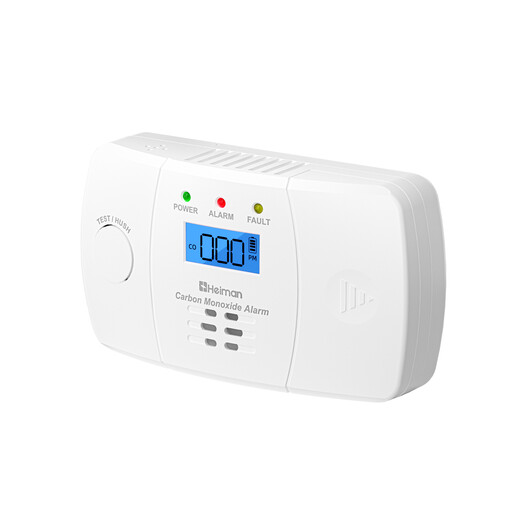
Why it suits this type of buyer: A separate CO alarm is relevant for homes with fuel-burning appliances. According to the product description, the LCD display can show information about the measured level.
You won’t mistake a smoke alarm for a CO alarm. Check that the EN 50291 marking you need appears on this specific model and its packaging.
LCD display, replaceable battery and a sensor life of 10 years, as stated in the product name.
We’ve put together a complete, up-to-date list of products that meet these strict selection criteria and the applicable European safety requirements.
Install smoke alarms in line with local regulations and the user manual, usually on the ceiling and in or near bedrooms, landings and living areas. Keep them away from steam, cooking fumes and ventilation openings to reduce unwanted alarms. After installation, test whether you can hear the signal in the bedrooms.
It varies by model. Some products state a battery or service life of 10 years; after that, the whole alarm often needs replacing. With a model that has a replaceable battery, replace the battery as instructed, but also check the recommended service life of the casing and sensor.
Smoke alarms and CO alarms detect different things. A smoke alarm is designed to detect smoke, while a CO alarm monitors carbon monoxide. In homes with a boiler, open fireplace, stove or other fuel-burning appliance, a separate CO alarm with EN 50291 may be a suitable addition. Always check the installation instructions for the model you choose.
