
Vandaag of morgen in huis

Kwaliteit gegarandeerd

Welkomstaanbiedingen ontgrendelen: GRATIS bezorging | Tot 80% korting | Gratis 30 dagen JoyPlus-proefperiode
Download de app
A smoke alarm may seem simple: put it up, insert the battery and you’re done. In practice, many buyers make the same mistakes. They focus only on the price, confuse a Wi-Fi smoke alarm with a wirelessly interconnected smoke alarm, or rely on a long battery life without checking the installation and maintenance instructions.
Whether you live in a flat, rented home, garage or holiday home, it’s important to decide first which risk you want to detect. A smoke alarm detects smoke particles. A carbon monoxide alarm, also known as a CO alarm, is designed to detect carbon monoxide. A motion sensor or door and window sensor is used for home security. These devices complement one another, but they are not interchangeable.
A smoke alarm with a 10-year battery sounds convenient, but check whether this refers to the battery life, the sensor’s service life or the replacement date of the entire device. Some models have a built-in battery, meaning you replace the whole smoke alarm after the stated period. Other versions have a replaceable battery.
Maintenance is also important. Dust, cooking fumes and steam can cause an alarm to trigger more frequently by mistake. That’s why the product information for some models recommends regular testing and dust removal.
EN 14604 is the European product standard covering smoke alarms for residential use. Check that the standard is clearly stated in the product information, instructions and on the device itself. A reference to EN 14604 does not mean that every fire will be detected in time or that correct positioning is unnecessary.
For a CO alarm, EN 50291 is the relevant standard for household carbon monoxide alarms. Also check the EU responsible person, manufacturer details and safety instructions.
A wireless smoke alarm can communicate with other alarms via a radio signal, so you don’t need to run cables between them. With an interconnectable smoke alarm, one alarm can activate several others at the same time. This is particularly useful in a multi-storey home.
A Wi-Fi smoke alarm uses your network and can often send notifications to an app. That does not automatically mean it can work with other smoke alarms. Check whether a hub, bridge or specific platform is required. A smart smoke alarm can be useful for receiving alerts remotely, but it still depends on a power supply, network connection and correct configuration.
An optical smoke alarm uses a photoelectric sensor to detect smoke particles. In product information, this may sometimes be described as a photoelectric sensor. When buying, check the stated standard:
A smoke alarm with an 85 dB alarm is offered in several product listings. The actual range depends on walls, doors and the distance to the bedroom. A test button is useful for carrying out regular checks. A mute or pause function can temporarily help with a false alarm, but it should not be used to ignore a recurring problem.
Position smoke alarms according to the instructions, generally on the ceiling and near bedrooms and walkways. Avoid placing them directly next to hobs, radiators, ventilation openings and showers. In a garage, check carefully whether the model is suitable for dust, temperature fluctuations and exhaust fumes.
According to the product information for the Heiman models mentioned, a CO alarm should be installed near bedrooms and living areas. Always follow the manufacturer’s instructions and local fire-safety regulations.
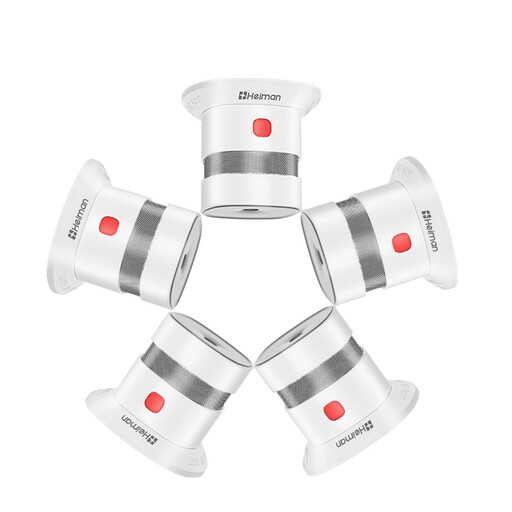
Why it suits this profile: A set of five is ideal for a home where you want to protect several rooms without having to search for individual alarms for each one.
The product listing mentions a photoelectric sensor, EN 14604 and a 10-year battery life. Check these details on the packaging and in the instructions too.
Set of five, 85 dB alarm according to the product information, and a stated 10-year battery life.
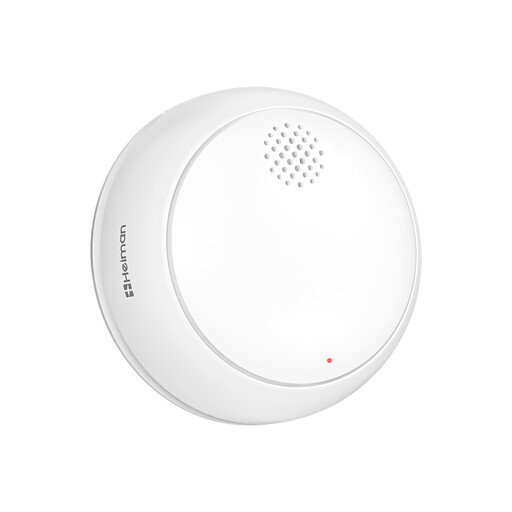
Why it suits this profile: Ideal if app functionality and a replaceable battery matter more to you than a fully enclosed battery module.
The product title mentions both EN 14604 and a replaceable battery. Check in advance which app, Wi-Fi band and account settings are required.
Wi-Fi connection, app according to the product title, replaceable battery and a stated alarm volume of 85 dB.
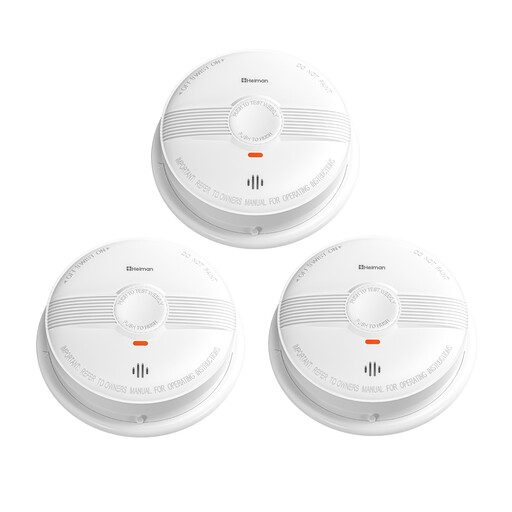
Why it suits this profile: This set is designed for homes with several rooms or floors where simultaneous alerts are desirable.
The product description mentions wireless interconnection for up to 40 alarms. Follow the pairing instructions and test each alarm individually and as part of the network.
Set of three, radio signal for interconnection, 85 dB according to the product information and mute switch.
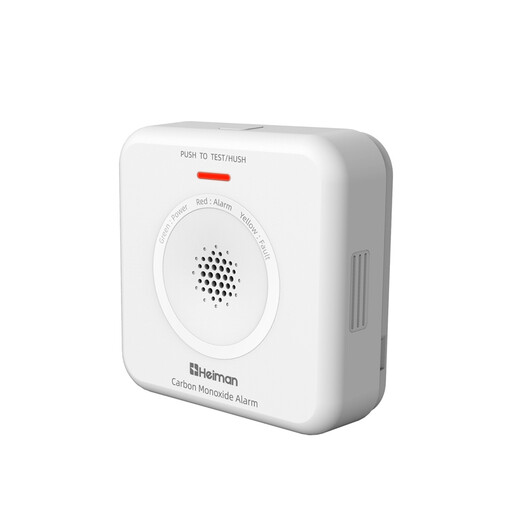
Why it suits this profile: An option for households with a central-heating system, fireplace or other appliance where a CO alarm is desirable alongside smoke alarms.
The product title mentions EN 50291 and compatibility with Tuya and SmartLife. Check compatibility, Wi-Fi range and the required app before ordering.
CO detection, the stated EN 50291 standard, app support according to the product title and a stated service life of 10 years.
We’ve put together a complete, up-to-date list of products that fully meet these strict selection criteria and the applicable European safety regulations.
A smoke alarm protects against a different risk from an alarm sensor. For a garage or back door, a door and window sensor can send an alert when an opening is opened. A motion sensor can detect movement in a hall or storage room. Pay attention to the product requirements: according to its product description, the eufy Security Motion Sensor works with a HomeBase and is not intended to be used as a standalone device. According to eufy’s own product information, the stated battery life is up to two years, with a detection angle of 100 degrees and a range of up to 9 metres.
An Aigostar PIR-360 is a motion sensor for lighting and switches a connected load, such as a lamp, based on movement. This is not the same as a standalone burglar alarm. Check the electrical regulations during installation, and have fixed wiring carried out by someone with the appropriate expertise.
Follow the instructions and usually install the alarm on the ceiling, near bedrooms, hallways and living areas. Keep it away from cooking fumes, steam, ventilation openings and heat sources. A multi-storey home will generally need several alarms. Also check the current Dutch fire-safety regulations.
This varies by model. Product listings may state a 10-year battery or a 10-year service life. With a built-in battery, the entire alarm is often replaced once the stated period has elapsed. Test the smoke alarm regularly and replace it sooner if the instructions require this or if the device develops a fault.
A smoke alarm detects smoke; a CO alarm detects carbon monoxide. If you have combustion appliances such as a central-heating boiler, fireplace or stove, a separate CO alarm may be appropriate. Choose a model whose product information mentions EN 50291, and position it according to the manufacturer’s instructions.
