
Vandaag of morgen in huis

Kwaliteit gegarandeerd

Welkomstaanbiedingen ontgrendelen: GRATIS bezorging | Tot 80% korting | Gratis 30 dagen JoyPlus-proefperiode
Download de app
A smoke alarm may seem like a straightforward purchase, but the differences between models often come down to the details. Consider battery life, where to install it, the alarm sound and how multiple alarms work together. A low price may be tempting, but an unsuitable model could end up costing more if you need to buy extra alarms or replace the battery sooner than expected.
For homes, flats, offices and rental properties in the Netherlands, there are three pitfalls in particular to watch out for:
A smoke alarm EN 14604 refers to the European standard for smoke alarms used in homes. Check that the product information clearly states that the product meets this standard. A mention on the packaging or product page is useful, but keep the instructions too and make sure the model is installed correctly.
An optical smoke alarm, also known as a photoelectric smoke alarm, uses a light sensor to detect smoke particles. This is a common type for living spaces. Pay particular attention to the recommended location: alarms are generally installed on the ceiling, and you should always follow the manufacturer’s installation instructions.
A smoke alarm with a 10-year battery can be convenient if you don’t want to replace batteries regularly. Check whether the battery is built in or replaceable. With a built-in battery, you’ll usually need to replace the whole alarm once its lifespan has ended. With a replaceable battery, you’ll need to fit a new one in good time.
Test each smoke alarm regularly using the test button. Keep the openings clear of dust and don’t install the device right next to steam, cooking fumes or significant temperature fluctuations. A smoke alarm with a pause button can be useful for temporary false alarms, but the pause function must not be used to leave an alarm switched off for an extended period.
An alarm rated at 85 dB is listed for various models. Also compare how many alarms can be linked wirelessly. According to their product specifications, some products support up to 40 interconnected units. This could be useful in a multi-storey home, an office or a larger rental property.
A Wi-Fi smoke alarm can send alerts to an app. Before buying, check which app you need, whether a stable Wi-Fi connection is required and whether the app will continue to receive alerts when you’re away from home. Wi-Fi is no substitute for an audible alarm inside your home.
A carbon monoxide alarm may also be useful if you have gas-fired appliances, stoves or other fuel-burning equipment. A CO alarm EN 50291 refers to the European standard for carbon monoxide alarms. Choose a CO alarm based on the room, the recommended mounting height and the manufacturer’s instructions. A CO alarm and a smoke alarm do not detect the same thing.
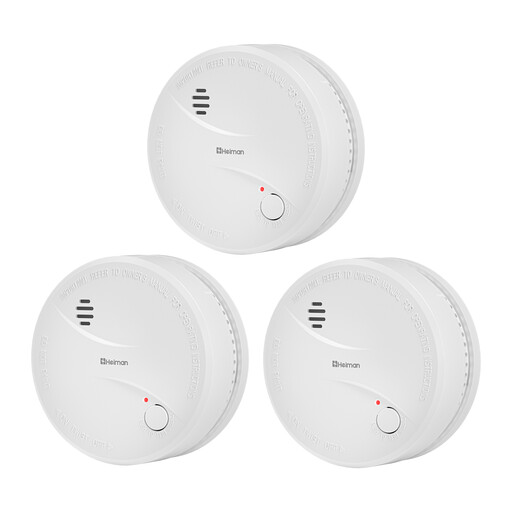
Why it suits this profile: A set of three alarms is a practical choice for a home with several bedrooms, a hallway and a living room. The product information describes it as an optical alarm with a long-life battery.
The pack contains three alarms, so you won’t need to buy additional units straight away. You can check the stated EN 14604 specification and battery life before buying.
Pack of 3, photoelectric sensor, 85 dB alarm according to the product specifications and a stated 10-year battery.
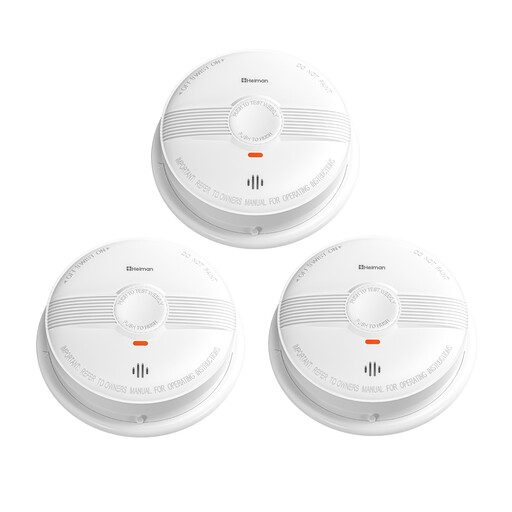
Why it suits this profile: This set is designed for people who want to cover several rooms at once and value wireless interlinking and a pause function.
The product information specifically states that it supports radio networking for up to 40 alarms. This makes the function clearer than it is for a standard wireless smoke alarm.
Up to 40 interconnected alarms according to the product specifications, 85 dB, built-in 10-year battery and mute function.
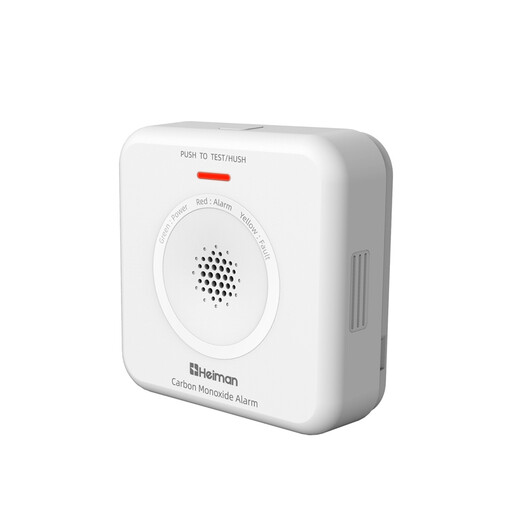
Why it suits this profile: This model is designed for anyone who wants to monitor carbon monoxide as well as smoke and values app features, for example in a home with a central heating system.
The product name mentions both Wi-Fi and EN 50291. Before use, check app compatibility, Wi-Fi coverage and the installation instructions.
CO alarm with a stated EN 50291 specification, Wi-Fi connection and support for Tuya and SmartLife according to the product information.
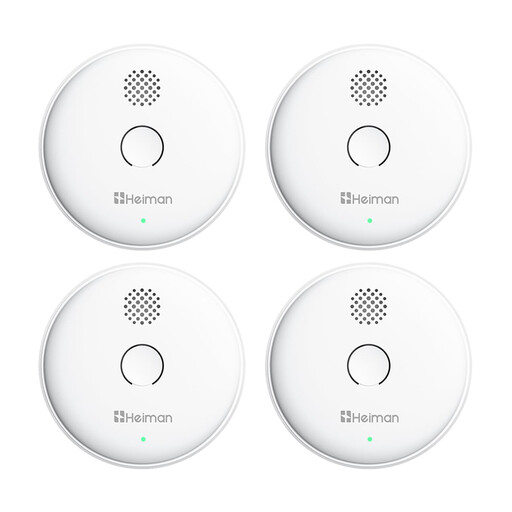
Why it suits this profile: A set of four could be a good fit for a home with several sleeping areas, a staircase and a ground floor where you want multiple alarms.
The pack contents and networking function are clearly stated. However, check the instructions to make sure all units are correctly linked to each other.
Four alarms per pack, wireless radio connection, 85 dB, 10-year battery and EN 14604 according to the product information.
We’ve put together a complete, up-to-date list of products that meet these strict selection criteria and the applicable European safety requirements.
It depends on the model and its product specifications. For example, the battery may be listed as lasting 10 years, while the whole smoke alarm will need to be replaced after that. Check the date on the device or in the instructions. Test the alarm regularly in the meantime, and replace it sooner if it is damaged or keeps developing faults.
Always follow the manufacturer’s installation instructions and the applicable Dutch regulations. In many homes, smoke alarms are fitted to the ceiling, including near sleeping areas and along escape routes. Avoid places with lots of steam, cooking fumes, dust or strong draughts. Once installed, check that you can hear the alarm from the bedrooms.
A smoke alarm detects smoke; a CO alarm is designed to detect carbon monoxide. They are different devices with different functions. A CO alarm may be a useful extra in rooms with fuel-burning appliances. When buying, check whether the product information states that it meets EN 50291, and install the device according to the instructions provided.
