
Vandaag of morgen in huis

Kwaliteit gegarandeerd

Welkomstaanbiedingen ontgrendelen: GRATIS bezorging | Tot 80% korting | Gratis 30 dagen JoyPlus-proefperiode
Download de app
A smoke alarm may seem like a simple purchase, but small differences can affect installation, maintenance and everyday use. For example, a model may advertise long battery life but still need regular checks. A wireless smoke alarm can be useful in several rooms, but may only work well as part of the same system.
These three pitfalls are particularly relevant to homeowners, tenants, landlords and families:
For smoke alarms intended for homes, EN 14604 is an important European product standard. It covers requirements and test methods for smoke alarms. Check the product page, packaging and instructions to see whether the standard is clearly stated.
The product information for several Heiman models mentions EN 14604 or DIN EN 14604. This is information you can verify in the product listing, but check the label and included documentation when your product arrives, too. Marketing copy without a clear reference to a standard is less useful for making comparisons.
A photoelectric smoke alarm uses an optical sensor to detect smoke particles. This type is common in smoke alarms for homes. The precise way it works and its suitability depend on the model and where it is installed.
An alarm level of 85 dB is common in the range. This is a stated sound level, not a guarantee that everyone will hear the alarm in all circumstances. Install alarms on the ceiling and, ideally, in or near bedrooms, hallways and living areas, following the installation instructions.
Also check:
A mini smoke alarm may suit anyone looking for a discreet device, but a compact design should not make it difficult to operate or check the battery.
A smoke alarm with a 10-year battery means fewer battery changes. However, check whether the claim refers to battery life, sensor life or the overall service life. Some models have a non-replaceable battery, while others are listed with a replaceable one.
A set of interconnected smoke alarms can be practical in a larger home. With a wirelessly connected system, one alarm can activate the others. Always check:
A smoke alarm with an app is particularly useful if remote alerts are important to you. Check whether it requires Wi-Fi, an account or a specific app. An app does not replace the alarm’s audible alert.
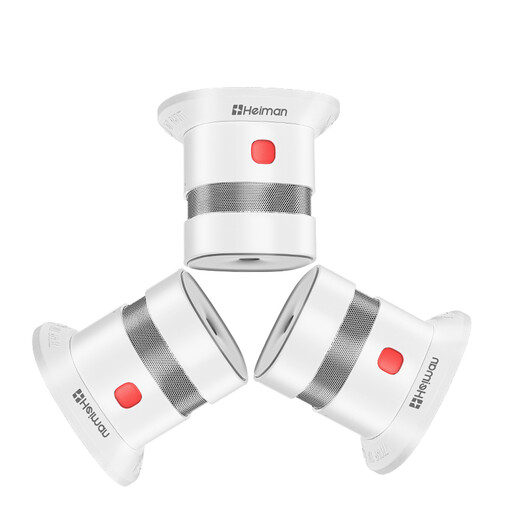
Why it suits this profile: This compact model is designed for anyone looking for a straightforward smoke alarm with a stated battery life of 10 years, a photoelectric sensor and an alarm level of 85 dB.
The product listing mentions both EN 14604 and TÜV, and clearly states the sensor type and sound level. That means you don't have to compare products on price alone.
Compact design, photoelectric sensor, 85 dB alarm and, according to the product information, a battery life of 10 years.
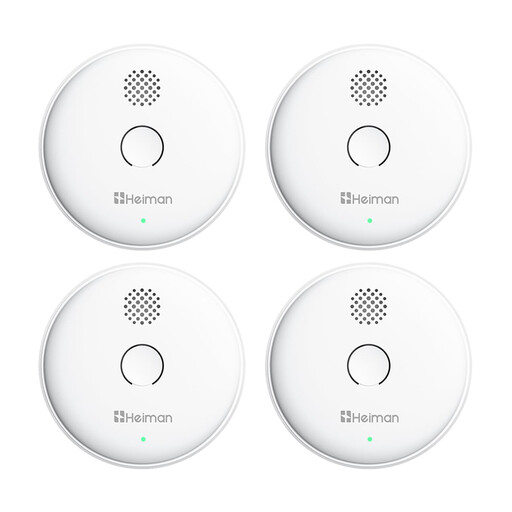
Why it suits this profile: The wireless interconnection makes this a good fit for larger homes, flats or commercial premises where several rooms need to be monitored at the same time.
The product information states that the network supports up to 40 fire alarms. Before buying, check compatibility and the range in your home.
Wireless interconnection, 85 dB alarm, stated battery life of 10 years and a reference to EN 14604.
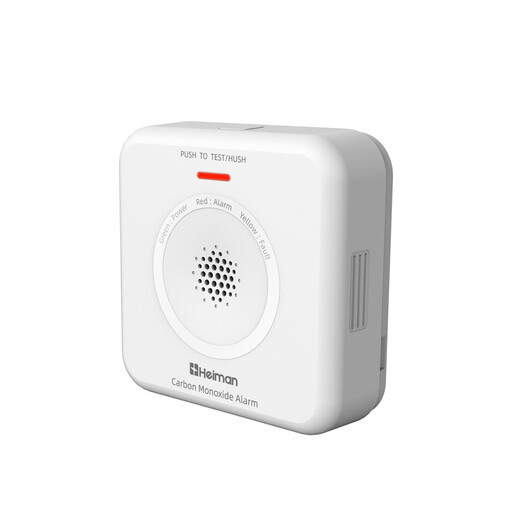
Why it suits this profile: If you want to detect carbon monoxide as well as smoke, you could consider a separate carbon monoxide alarm or CO alarm, for example near bedrooms and living areas.
This isn't a standard smoke alarm: the product name and specifications make it clear that it detects carbon monoxide. This helps you avoid mistaking one type of alarm for another.
Wireless interconnection, replaceable battery, 85 dB alarm and, according to the product information, a sensor life of 10 years.
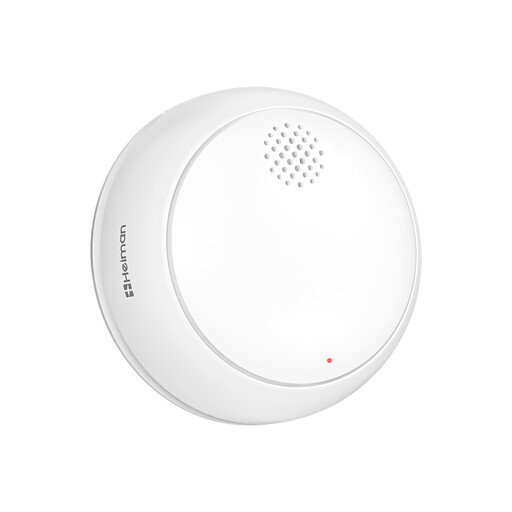
Why it suits this profile: The Wi-Fi connection and app are useful if you want to receive alerts on your smartphone, for example when you're away from home.
The product listing mentions a replaceable battery and EN 14604 alongside the app function. Check which Wi-Fi band and app settings are required before buying.
App control, replaceable battery, 85 dB alarm and a reference to EN 14604.
We've put together a complete, up-to-date list of products that meet these strict selection criteria and the applicable European safety regulations.
Install a smoke alarm according to the instructions, usually on the ceiling and ideally near bedrooms, hallways and living areas. Avoid placing it right next to cookers, air vents or heat sources. Test the alarm after fitting it and check it regularly.
It varies by model. A product may state a 10-year battery or 10-year sensor life. These don't always mean the same thing. Check the product information, the date on the device and the replacement instructions. A beeping sound, fault alert or damaged casing is a reason to replace the alarm sooner.
A smoke alarm detects smoke; a CO alarm is designed to detect carbon monoxide. They serve different purposes. In homes with fuel-burning appliances, such as a central heating boiler, stove or open fire, a separate carbon monoxide alarm may offer additional protection. Check the standard stated for the product, such as EN 50291, and follow the manufacturer's placement instructions.
