
Vandaag of morgen in huis

Kwaliteit gegarandeerd

Welkomstaanbiedingen ontgrendelen: GRATIS bezorging | Tot 80% korting | Gratis 30 dagen JoyPlus-proefperiode
Download de app
A smoke alarm may seem straightforward, but the differences between models matter. A cheap device without clear certification can be difficult to check over time. Features such as Wi-Fi, a 10-year battery and a loud alarm are also sometimes mentioned without making it clear exactly what’s included.
So, pay particular attention to these three common pitfalls:
For smoke alarms, EN 14604 is the relevant European standard. If this standard is listed in the product information, you can see what type of product is being offered and which technical requirements the model is stated to meet.
A carbon monoxide alarm or CO alarm falls under a different standard: EN 50291. This standard applies to devices that detect carbon monoxide. So, a model with EN 14604 only isn’t automatically suitable as a CO alarm.
Always check the current product page, instructions and included information. A standard listed in a product title is a specification provided by the seller; don’t treat it as a substitute for correct installation and regular testing.
A photoelectric smoke alarm uses light detection to identify smoke particles. This type is common in homes and is explicitly mentioned in the product descriptions of various models.
An alarm volume of 85 dB is listed for several models. This is a specification you can check, but how well you can hear the alarm also depends on where it’s installed, the layout of your home and whether doors are closed. So, don’t just install an alarm in the living room: consider bedrooms, hallways and escape routes too.
Also look for a test button and, where available, a mute or pause function. This can be useful for temporary alerts caused by things like cooking fumes, but shouldn’t be used to ignore a recurring problem.
A smoke alarm with a 10-year battery means fewer battery changes. Some models have a built-in lithium battery, while others have a replaceable battery. So, check whether “10 years” refers to the battery, the sensor or the entire lifespan of the device.
Interconnected smoke alarms can be useful in larger homes. With a wirelessly interconnected system, multiple devices can sound an alarm together, according to the product description. Check how many alarms can be connected and whether all the devices need to be from the same range.
A smart smoke alarm with Wi-Fi or a wireless smoke alarm with an app can send alerts to a smartphone. This requires a stable Wi-Fi connection, a compatible app and sometimes an account. The local alarm should still work clearly without an internet connection, so check the instructions.

Why it suits this profile: A straightforward option if you’re looking for one smoke alarm with a photoelectric sensor, a stated battery life of 10 years and an alarm volume of 85 dB.
The product listing specifies EN 14604 as well as the sensor, battery life and alarm volume. This makes it easier to compare the key buying criteria before you buy.
Photoelectric sensor, 10-year lithium battery according to the product name and 85 dB alarm according to the specification.
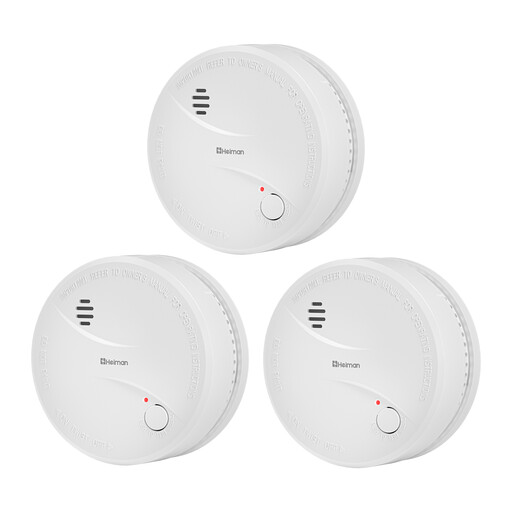
Why it suits this profile: A pack of three is a good fit for a home with several rooms, such as a hallway, an upstairs bedroom area and a living room.
This pack helps you avoid protecting only the most important room and leaving other areas uncovered. Be sure to check which locations are needed in your home.
Three alarms, photoelectric technology according to the product name, EN 14604 and a stated 85 dB alarm.
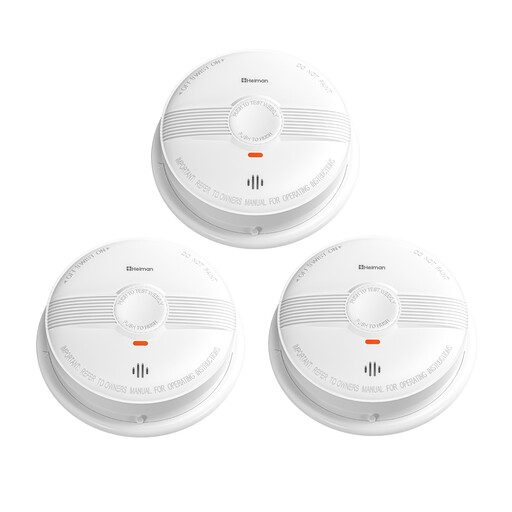
Why it suits this profile: A practical choice for larger homes, holiday homes or business premises where several alarms need to be interconnected wirelessly.
You don’t have to rely on the sound of just one device. According to the product description, up to 40 alarms can be connected via radio signal.
Wireless interconnection, a pack of three, an 85 dB alarm and a stated battery life of 10 years.
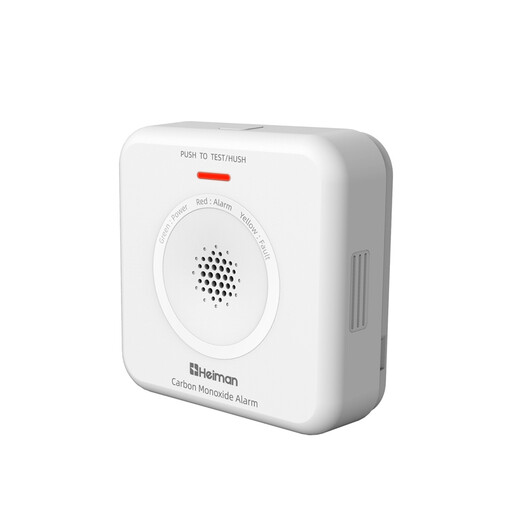
Why it suits this profile: A suitable option if you’re looking for a separate CO alarm with Wi-Fi and app functionality, as well as smoke detection.
The product name clearly specifies CO detection and EN 50291. This makes the difference between it and a standard smoke alarm clear before you order.
Wi-Fi connectivity, compatibility with Tuya and SmartLife according to the product information, and an EN 50291 listing.
We’ve put together a complete, up-to-date list of products that meet these strict selection criteria and the current European safety requirements.
Install smoke alarms in line with local regulations and the instructions, usually on the ceiling and near bedrooms and escape routes. Avoid placing them directly next to hobs, ventilation outlets and showers to reduce nuisance alarms. Test each alarm after installation.
No. A smoke alarm detects smoke, while a CO alarm detects carbon monoxide. If your home has fuel-burning appliances, such as a boiler, stove or water heater, additional CO detection may be relevant. Check that the model specifies EN 50291.
It varies by model. Products with a 10-year battery often also state a maximum lifespan of around 10 years, but check the instructions to be sure. Test the alarm regularly and replace the entire device once it reaches the end of its stated lifespan.
