
Vandaag of morgen in huis

Kwaliteit gegarandeerd

Welkomstaanbiedingen ontgrendelen: GRATIS bezorging | Tot 80% korting | Gratis 30 dagen JoyPlus-proefperiode
Download de app
A smoke alarm may seem like a simple product, but the differences between models can make a real difference in everyday use. Consider a battery that runs out sooner than expected, an alarm that regularly sounds because of steam, or a wireless function that does not work with other alarms. For homeowners, tenants, landlords and families, price is therefore not the only important factor. The key is the combination of installation, power supply, alarm volume and connectivity options.
In the Netherlands, every floor with a living area, bedroom or escape route should have a smoke alarm. Even so, people often make three mistakes when buying one.
A smoke alarm with a 10-year battery can be convenient, but check whether the battery is built in or replaceable. With a built-in battery, the entire alarm will usually need to be replaced when the battery reaches the end of its service life. Also check the recommended operating life of the device and the maintenance instructions.
A wireless smoke alarm runs on battery power and does not automatically have a networking function. An interconnectable smoke alarm, for example, uses a radio signal to connect multiple alarms. When one alarm detects smoke, the other connected alarms can also sound. This is particularly relevant in larger homes, multi-storey properties and offices.
A smart smoke alarm, or a smoke alarm with Wi-Fi or an app, can send notifications to a smartphone. This usually requires a stable Wi-Fi connection, a compatible app and sometimes an account. An app does not replace an audible alarm in the home. Always check the alarm volume, test function and installation options first.
Look for EN 14604 in the product information. This European standard applies to smoke alarms for residential properties and covers requirements relating to operation, alarms and product information, among other things. A reference to the standard is useful, but also check whether the information comes from the manufacturer, a declaration of conformity or an independent certification body. Marketing copy alone does not provide all the details about the conditions under which an assessment was carried out.
For some of the models in this overview, EN 14604 is listed in the product details. TÜV is also mentioned for others. According to Heiman’s product information, the relevant models are TÜV- and EN 14604-certified; check the current documentation on the product page before placing your order.
An optical smoke alarm, also known as a photoelectric smoke alarm, uses a light sensor to detect smoke particles. This type is widely marketed for bedrooms, hallways and living spaces. Do not place a smoke alarm directly next to a hob, shower or ventilation outlet. Steam, cooking fumes and dust can trigger unwanted alarms.
Most models are designed for ceiling mounting. Follow the instructions regarding the distance from walls, corners and other obstacles. Do not drill without first checking where pipes or cables run.
A smoke alarm with an 85 dB alarm has, according to the product specification, an audible alarm level of 85 decibels. Actual audibility depends on the distance, doors, walls and ambient noise. It is therefore better to install alarms in several strategic locations rather than relying on just one near the staircase.
A smoke alarm with a hush function can temporarily silence an alarm, for example when it has been triggered by cooking fumes, under certain conditions. Only use this function as described in the instructions and make sure the alarm becomes active again afterwards. A hush function should never be a reason to disable the alarm permanently.
The choices below are based on the listed product specifications, such as battery life, alarm level, sensor, EN 14604 reference and connectivity options. They are not a general quality ranking; the right model depends on the room and how you intend to use it.
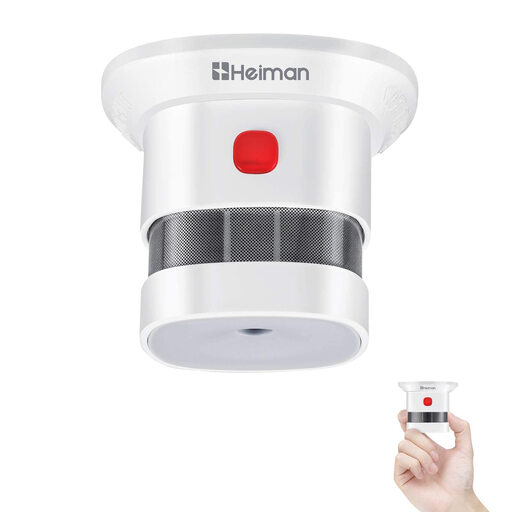
Why it suits this profile: This compact model is suitable for anyone looking for a standalone smoke alarm for an apartment, hallway or bedroom, for example, and who prefers long battery life.
The product information lists a photoelectric sensor, 10-year battery life and EN 14604. When you receive the product, check the instructions and markings on the alarm.
Photoelectric sensor; 85 dB alarm; listed TÜV and EN 14604 certification.
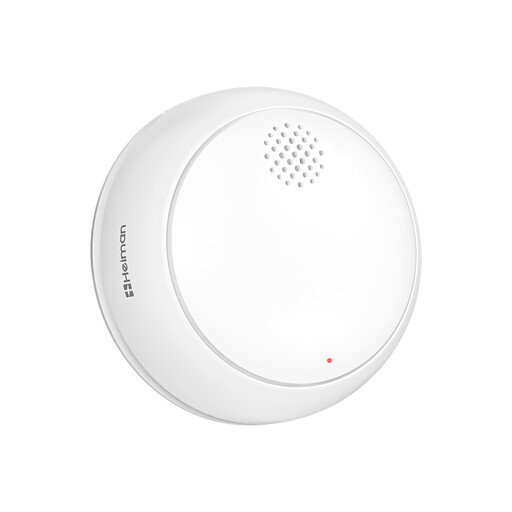
Why it suits this profile: This model is ideal for users who want smartphone features alongside a local alarm and are happy to manage Wi-Fi, app compatibility and battery replacement.
According to the product details, the battery is replaceable. This means you will not automatically have to replace the entire alarm when the battery runs out.
Wi-Fi and app function according to the product name; replaceable battery; 85 dB alarm and EN 14604 reference.
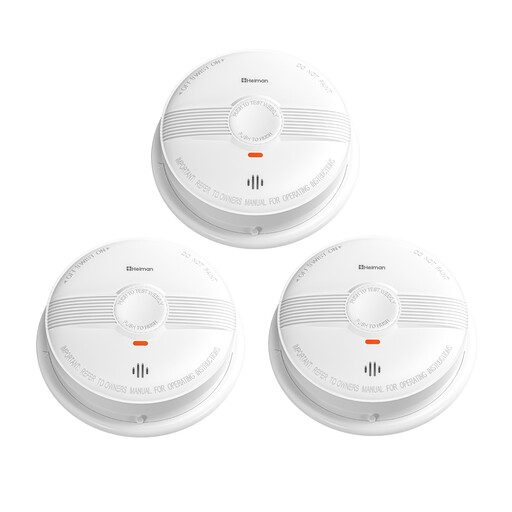
Why it suits this profile: This option is designed for larger homes, multi-storey properties or spaces where you want multiple smoke alarms to work together wirelessly.
The product information states that up to 40 alarms can be connected wirelessly and that a hush function is included. Before installation, check how the network is set up and tested.
Up to 40 wirelessly interconnectable alarms according to the product details; 10-year battery; 85 dB alarm; hush function.
We have put together a complete, up-to-date list of products that fully meet these strict selection criteria and the applicable European safety regulations.
This depends on the layout and number of floors. Install at least one smoke alarm on every floor with a living area, bedroom or escape route. In larger homes, a smoke alarm set may be more practical, particularly when bedrooms and hallways are on different floors.
This varies by model. Products with a stated service life of 10 years often use a long-lasting lithium battery. With a built-in battery, the complete alarm will usually need to be replaced. A model with a replaceable battery may remain usable for longer, but always follow the manufacturer’s stated service life and maintenance requirements.
In addition to the purchase price, you should consider batteries, any account requirements and the availability of your Wi-Fi network. Check whether the app is still supported and whether the alarm continues to work locally without an internet connection. A simple model without Wi-Fi generally has fewer settings and requires no app maintenance, while a smart smoke alarm can offer additional features for users who want to receive notifications remotely.
