
Vandaag of morgen in huis

Kwaliteit gegarandeerd

Welkomstaanbiedingen ontgrendelen: GRATIS bezorging | Tot 80% korting | Gratis 30 dagen JoyPlus-proefperiode
Download de app
A smoke alarm with a 10-year battery needs little maintenance and saves you from having to replace the batteries regularly. But a long battery life isn’t the only thing to consider. The sensor type, certification, alarm volume and where you install it all help determine whether a model is right for your home.
Whether you live in a flat, rented property, family home or office, there are three common buying pitfalls to watch out for:
When choosing a smoke alarm, check whether the product information refers to EN 14604. This is the European standard for smoke alarms in homes. The product pages for the models in this selection state that they are EN 14604 certified. Always check the current packaging, documentation and product information before buying.
A reference to a standard doesn’t mean you can skip correct installation and maintenance. Test the alarm according to the instructions and replace it when it reaches the stated end of its life.
A photoelectric smoke alarm uses light detection to identify smoke particles. This type is commonly used in homes. Don’t install the alarm directly next to a hob, bathroom or ventilation opening. Steam and cooking fumes can trigger false alarms.
A model with an integrated lithium battery designed to last 10 years can be convenient if you’d rather not keep spare batteries on hand. However, check the difference between a 10-year battery life and a 10-year sensor or product life. These terms aren’t always used in the same way.
A smoke alarm with an 85 dB alarm may be suitable for living spaces, but volume is only one factor to consider. In a multi-storey home, a wirelessly interlinkable smoke alarm may be more practical. If one linked alarm sounds, the others can also alert you, depending on the technology and settings.
So check:
A wireless smoke alarm isn’t necessarily the same as a wirelessly interlinkable smoke alarm. “Wireless” may simply mean that it doesn’t need mains wiring. Look specifically for terms such as radio-networkable or interlinkable.

Why it suits this type of buyer: A single alarm is a straightforward starting point for a smaller home, student room or individual space. The product listing specifies a photoelectric sensor, a 10-year lithium battery, EN 14604 and an 85 dB alarm.
The product information lists specific features rather than relying on a general safety claim. When it arrives, check that these details also appear on the packaging and in the instructions.
Photoelectric sensor, built-in lithium battery designed to last 10 years and a stated alarm volume of 85 dB.
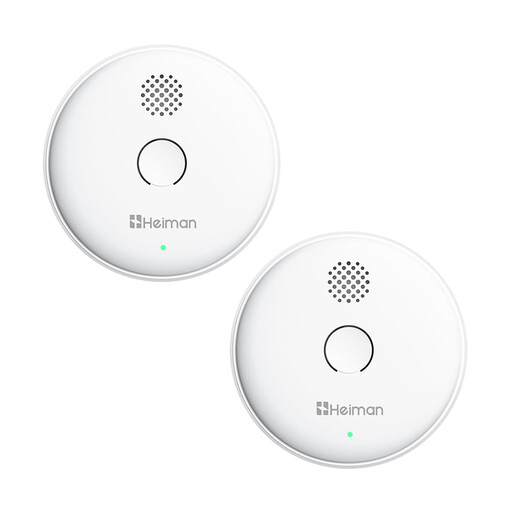
Why it suits this type of buyer: This model is designed for homes with several rooms or floors. According to the product listing, up to 40 alarms can be linked by radio.
Wireless networking means you don’t have to rely solely on the volume of a single alarm. Check compatibility with other alarms in the same range before buying.
Radio interlinking, up to 40 alarms according to the product information, 85 dB and a 10-year battery life.
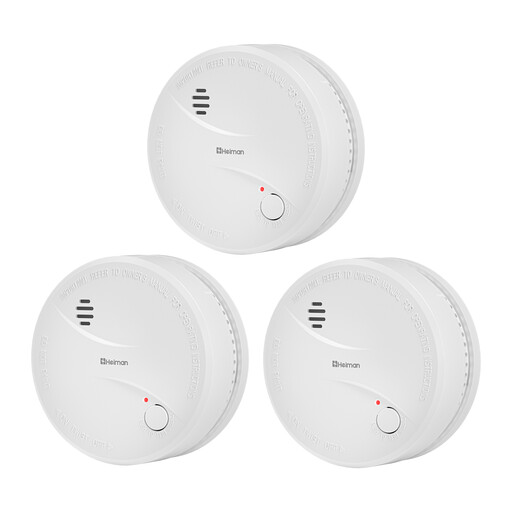
Why it suits this type of buyer: A three-pack is practical for a home with several bedrooms and living spaces. The product page specifies ceiling mounting, EN 14604, a photoelectric sensor and a lithium battery designed to last 10 years.
The set helps ensure you don’t protect just one room. Decide where you need alarms in advance and follow the installation instructions.
Three alarms per pack, mounting accessories according to the product information and a stated alarm volume of 85 dB.
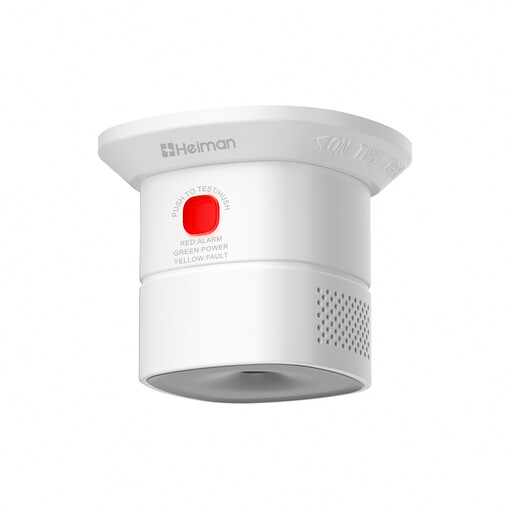
Why it suits this type of buyer: A smoke alarm doesn’t detect carbon monoxide. A separate CO alarm may be useful in homes with a central heating boiler, stove or other fuel-burning appliance. The product page states that it meets EN 50291 and recommends installing it near bedrooms and living spaces.
It makes clear that fire detection and CO detection are different. Don’t use a CO alarm as a replacement for a smoke alarm.
The product information states that it meets EN 50291, and lists an 85 dB alarm and a compact design.
We’ve put together a complete, up-to-date list of products that meet these strict selection criteria and the applicable European safety requirements.
Keep the following points in mind when installing your alarms:
A mini smoke alarm can be useful when space is limited, but don’t choose on size alone. Check the test button, audibility, installation method and access to the instructions too.
No. You’ll usually avoid replacing the battery during that time, but you’ll still need to test the alarm, keep it free of dust and check it visually. Follow the manufacturer’s maintenance instructions.
It depends on the size and layout of your home. Don’t think only in terms of one alarm per home: consider bedrooms, hallways, floors and rooms where an alarm might not be easy to hear. An interlinked set can be practical in a multi-storey home.
A smoke alarm and a carbon monoxide alarm meeting EN 50291 detect different hazards. A smoke alarm is designed to detect smoke; a CO alarm detects carbon monoxide. If you have fuel-burning appliances, a separate CO alarm may be a suitable addition. Check the instructions and consider your home’s layout when deciding where to install it.
