
Vandaag of morgen in huis

Kwaliteit gegarandeerd

Welkomstaanbiedingen ontgrendelen: GRATIS bezorging | Tot 80% korting | Gratis 30 dagen JoyPlus-proefperiode
Download de app
Does this sound familiar? You've captured a beautiful moment on your trip or made a fun video for TikTok, but the footage is shaky and unstable. Your smartphone's built-in stabilisation is often not enough for smooth, professional-looking shots. A smartphone gimbal is the solution.
As a Joybuy Product Recommendation Officer, I'm here to help you make the right choice. In this article, we'll look at several popular options to help you find a phone stabiliser that fits your needs, whether you're a vlogger, traveller, or social media user.
Before we dive into the products, here are a few practical points to make your decision easier.
Stabilisation: The Power of a 3-Axis Gimbal A good gimbal corrects unwanted movements on three axes: tilt, pan, and roll. A 3-axis gimbal is the standard for buttery-smooth videos, even when you're walking or running. Simpler stabilisers or a selfie stick with a tripod often don't offer the same level of fluidity.
Features and Ease of Use Modern gimbals offer more than just stabilisation. Consider features like AI tracking, which allows the camera to automatically follow a person or object. This is ideal for vloggers filming themselves. Compatibility with your phone is also important. Many models use a clamp, but for iPhone users, there are also options with MagSafe, which makes mounting much faster. A specific gimbal for iPhone can therefore offer extra advantages.
Portability and Extras Are you taking the gimbal on your travels? Pay attention to its weight and whether it's foldable. Some models have a built-in extension rod or a fold-out vlogging tripod, so you don't have to carry extra accessories. Battery life is also a key consideration; you don't want to be left with a dead gimbal halfway through the day.
Based on specifications and functionality, we've highlighted a few interesting models for you.
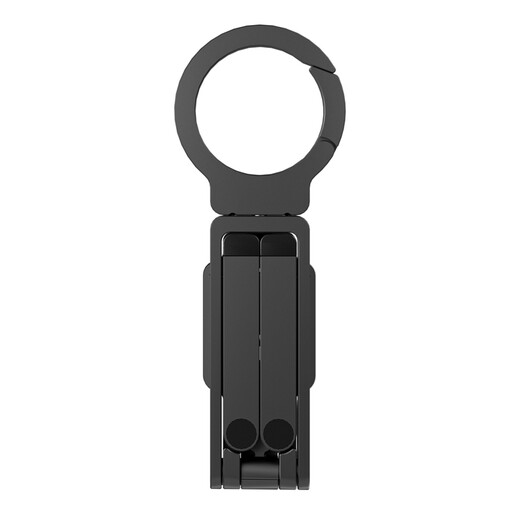
Why It Stands Out The Ulanzi MA38 isn't a traditional gimbal, but an ultra-compact magnetic mount with a tripod function. Its light weight and clever design make it a handy tool for those seeking maximum portability and primarily shooting static shots or selfies.
Pros:
Who Is It For? For the iPhone user looking for a highly portable and quick solution for stable selfies, video calls, or static shots. It is less suitable for those who want to create smooth, moving footage while walking.
View the Ulanzi MA38 on Joybuy.nl
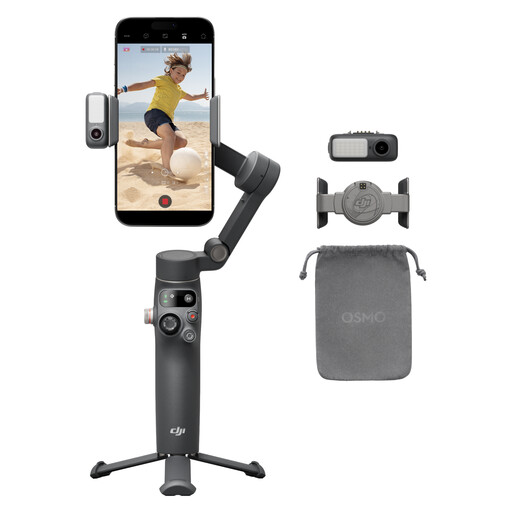
Why It Stands Out The DJI Osmo series is a household name in the world of gimbals. The Osmo Mobile 7P combines powerful stabilisation with smart software features. According to the manufacturer, its 3-axis stabilisation ensures lossless, smooth footage, while the Mimo app assists with recording and editing.
Pros:
Who Is It For? For the serious vlogger, traveller, or content creator looking for a reliable all-rounder. The combination of stabilisation, built-in extras, and smart software makes this a complete solution for both Android and iPhone users.
View the DJI Osmo Mobile 7P on Joybuy.nl
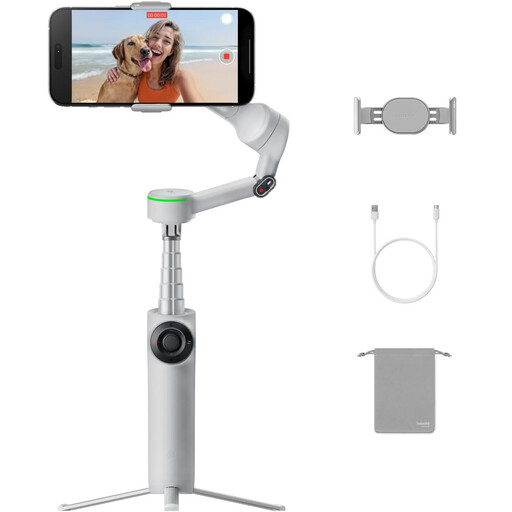
Why It Stands Out The Insta360 Flow 2 Pro focuses heavily on AI-driven functionality. According to Insta360, the gimbal offers advanced tracking capabilities, even for multiple people or pets. Its integration with DockKit allows the tracking to be used in over 200 apps, which is a unique feature.
Pros:
Who Is It For? Ideal for the content creator who frequently uses live streaming and social media apps. The seamless tracking integration and all-in-one approach make it a powerful tool for those looking to simplify their creative process.
View the Insta360 Flow 2 Pro on Joybuy.nl
These recommendations are a great starting point, but the market for phone stabilisers is vast. You might be looking for a simpler model or an option with other specific features. For a broader overview of our products, you can always browse our category.
Discover more options in Camera Video Tripods
1. What is the difference between a gimbal and a selfie stick with a tripod? A selfie stick with a tripod only holds your phone in place. A gimbal is an active phone stabiliser with motors that correct movements. This results in much smoother video footage, especially when you are moving.
2. Does a gimbal work with every smartphone? Most gimbals use an adjustable clamp and are compatible with most Android phones and iPhones. However, always check the gimbal's specifications for the maximum dimensions and weight of the phone it can support.
3. Is a 3-axis gimbal really necessary for social media videos? For static videos or simple pans, it's not always strictly necessary. But if you're creating videos while walking, cycling, or doing other dynamic activities, a 3-axis gimbal makes a world of difference. It instantly gives your content a more professional and pleasant viewing experience.
