
Vandaag of morgen in huis

Kwaliteit gegarandeerd

Welkomstaanbiedingen ontgrendelen: GRATIS bezorging | Tot 80% korting | Gratis 30 dagen JoyPlus-proefperiode
Download de app
Shaky, unstable video can ruin your footage, whether you're capturing a precious memory, recording a vlog, or creating content for social media. A smartphone gimbal, also known as a phone stabiliser, is an essential tool for instantly giving your footage a professional, cinematic quality. This guide will help you choose a model that fits your needs, cutting through the marketing jargon. We'll focus on the specs and features that truly matter.
Before making a choice, it's helpful to understand a few key features. These determine how the gimbal performs and how practical it is to use.
A gimbal's core function is stabilisation, which is achieved using axes that correct for movement.
You'll often take a gimbal with you when travelling or attending an event, so pay attention to its weight and dimensions. A foldable gimbal is compact and fits easily into a bag or even a pocket, making it an ideal phone video stabiliser for on-the-go use. Also, verify that the clamping mechanism can support the size and weight of your smartphone, whether you need a gimbal for iPhone or a gimbal for Android.
Modern gimbals offer more than just stabilisation. Features like a gimbal with tracking (AI tracking) are especially useful for vloggers and solo creators, allowing the gimbal to automatically follow a person or object. Other handy extras include a built-in selfie stick, a tripod, or the ability to charge your phone. Long battery life is essential if you plan on filming for an entire day.
Below is a selection of gimbals with various features, suitable for a wide range of users.
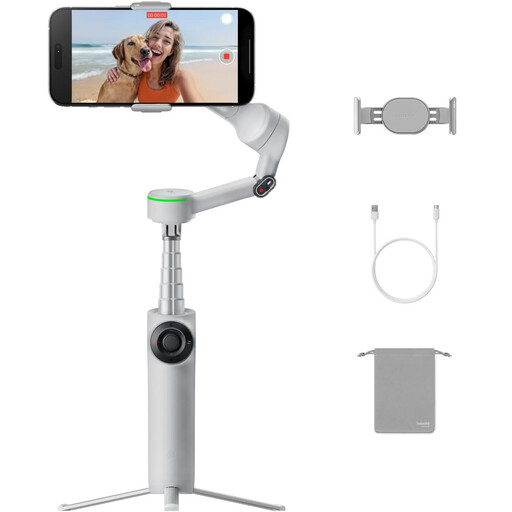
Why It Stands Out: This model presents itself as an all-in-one solution. It combines a 3-axis gimbal with a built-in selfie stick, tripod, power bank, and even a teleprompter function. According to the manufacturer, its AI tracking works in over 200 apps thanks to DockKit integration.
Pros:
Who is it for? For the serious content creator, vlogging gimbal user, or traveller who wants a complete, advanced tool and doesn't want to carry separate components.
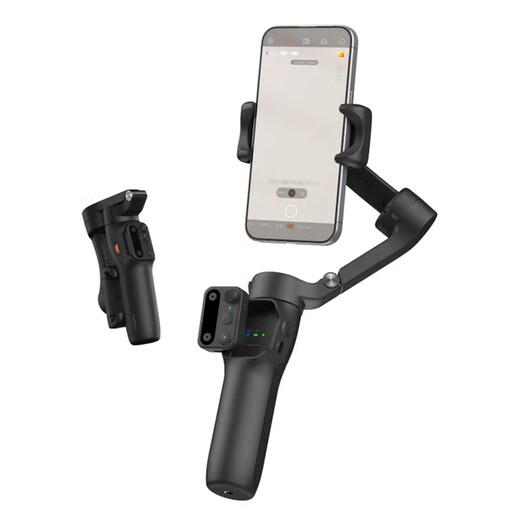
Why It Stands Out: The hohem gimbal distinguishes itself with a detachable remote control and an exceptionally long battery life. This offers great flexibility for remote shooting and extended filming sessions.
Pros:
Who is it for? Ideal for solo travellers and videographers who highly value flexibility, long battery life, and the ability to film themselves from a distance.
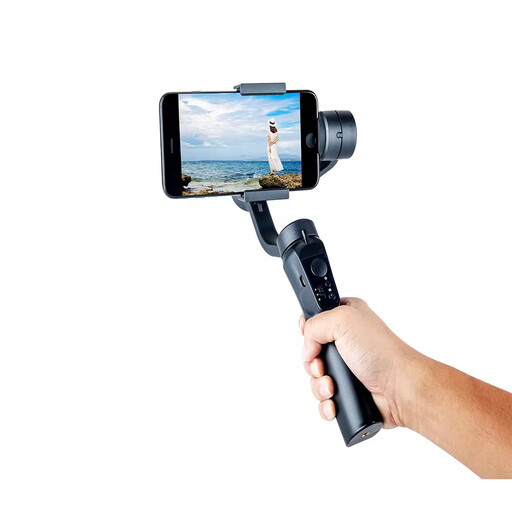
Why It Stands Out: The Verbex C16 is an accessible and straightforward smartphone stabiliser that focuses on the essentials. With 2-axis stabilisation and face recognition, it's a practical tool for anyone looking to create more stable videos without investing in advanced features.
Pros:
Who is it for? Perfect for aspiring content creators, TikTokers, and anyone looking for an affordable and simple solution to improve their video quality for social media.
If, in addition to a gimbal, you're also looking for ways to control your recordings remotely—for example, with a separate shutter button for your smartphone camera—a dedicated remote control is a great accessory. Check out our selection of Bluetooth Remote Controls for more options.
1. What's the difference between a gimbal and a selfie stick stabiliser? A selfie stick stabiliser often provides limited, 1- or 2-axis stabilisation. In contrast, a full-fledged smartphone gimbal, especially a 3-axis gimbal, uses active motors to correct movement across three axes (pan, tilt, and roll). This results in significantly smoother footage, particularly during dynamic activities like walking.
2. Will any gimbal work with my iPhone or Android phone? Most modern gimbals are compatible with both iPhone and Android devices. However, it's crucial to check the manufacturer's specifications, particularly the maximum dimensions and weight the gimbal can support. The functionality of the companion app can also vary between operating systems, so be sure to verify this beforehand.
