
Vandaag of morgen in huis

Kwaliteit gegarandeerd

Welkomstaanbiedingen ontgrendelen: GRATIS bezorging | Tot 80% korting | Gratis 30 dagen JoyPlus-proefperiode
Download de app
Buying a smartphone sounds simple until you start comparing dozens of models. A large screen, lots of megapixels and an impressive amount of RAM may sound appealing, but they do not tell you everything about the everyday experience. If you focus only on offers or marketing terms, you could end up with a device that runs out of storage after a few months, charges slowly or is not fully compatible with the Dutch mobile network.
With this practical guide, you can focus on the specifications that really matter when buying a mobile phone.
A 108MP or 50MP camera does not automatically produce better photos. Image stabilisation, the lens combination, aperture, image processing and low-light performance are also important. So look at the camera system as a whole. A smartphone with a good camera should ideally have multiple lenses and optical or mechanical stabilisation.
Some Android smartphones, for example, advertise “up to 32 GB RAM”. This may consist of physical RAM plus temporarily allocated storage space. This expansion does not work in the same way as genuine RAM. Always check how much physical RAM is available and which type of processor is used.
A 6,000 mAh battery sounds generous, but screen size, processor, brightness, software and network usage all affect battery life. Charging speed and the type of charger are also relevant. Manufacturers’ claims about video or call time are generally based on specific conditions. According to a brand’s own research, these results may differ from normal use in the Netherlands.
For films, navigation and social media, a screen of around 6.5 to 6.9 inches is practical. A 120Hz screen makes scrolling and compatible games smoother than a 60Hz screen. Resolution is also important for everyday use: Full HD+ displays text and images more sharply than a basic HD+ resolution.
Also pay attention to brightness. A higher peak brightness can help when using your phone outdoors, but actual visibility also depends on reflections and the screen finish. OLED and AMOLED screens generally offer strong contrast, while IPS screens can be a more affordable alternative.
For calls, messaging, banking and streaming, a mid-range processor is usually sufficient. For intensive gaming, video editing and extensive multitasking, a more powerful chip and at least 8 GB of physical RAM make more sense.
Pay attention to these points:
A 5G smartphone can offer faster download speeds when your tariff and location support this. Check that the relevant 5G and 4G bands match those used by your provider. If you want to keep work and personal use separate, a dual SIM smartphone with two SIM cards or a combination of nano-SIM and eSIM is practical.
Also check:
An IP54 rating protects against dust and splashing, but it is not the same as full water resistance. According to the product specification, IP68 offers a higher level of protection, although this protection can also deteriorate through wear or damage.
The models below have been selected based on verifiable product information, such as screen type, storage, battery capacity, cameras and connectivity. Always check the current product page and compatibility with your tariff before buying.
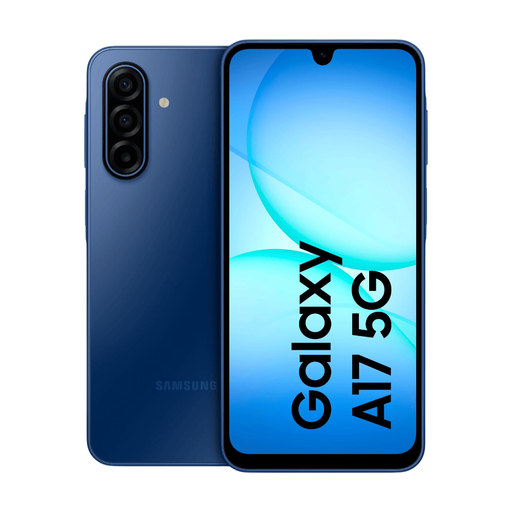
Why it suits this profile: An accessible Samsung Galaxy smartphone for calls, streaming, navigation and everyday use, with 5G and expandable storage.
The specifications list 4 GB RAM and 128 GB storage separately. This makes the difference between RAM and storage clear.
6.7-inch Super AMOLED screen, 5,000 mAh battery, 50MP camera with OIS and microSDXC support.

Why it suits this profile: Ideal for users who value iOS, a compact 6.3-inch OLED screen, photography and video features.
The camera consists of three 48MP lenses and includes optical and mechanical stabilisation. The choice is therefore not based solely on the megapixel count.
12 GB RAM, 256 GB storage, 120Hz OLED display, 5G, IP68 and support for Qi2 wireless charging.

Why it suits this profile: A logical choice for intensive use, ample storage, long working days or situations where a rugged casing is desirable.
The product information lists 24 GB RAM, 512 GB storage, dual SIM and a 10,800 mAh battery. However, check the weight and dimensions beforehand, as rugged devices are often larger.
5G, 6.6-inch FHD+ 120Hz screen, 108MP camera, night-vision camera, NFC and 33W charging.
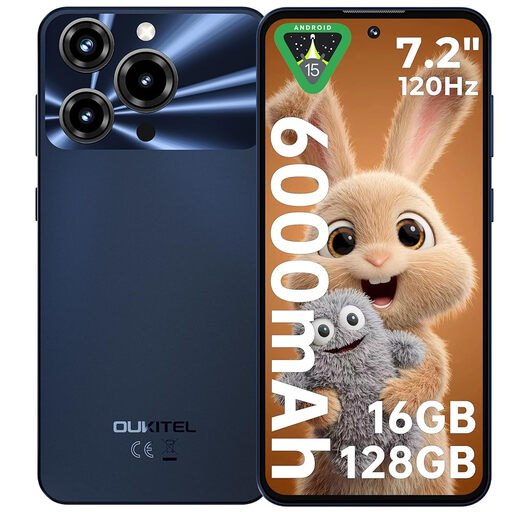
Why it suits this profile: The large screen and generous battery are well suited to users who stream, read or navigate frequently, or simply enjoy having a large display.
Alongside the 64MP main camera, an 8MP front camera is listed. This makes the camera setup easier to assess than relying on a single megapixel figure.
7.2-inch HD+ screen with 120Hz, 6,000 mAh battery, dual 4G SIM, 128 GB storage and expansion up to 1 TB.
We have put together a complete, up-to-date list of products that fully meet these strict selection criteria and the applicable European safety regulations.
Its lifespan depends on battery wear, software support, storage and physical damage. A device with sufficient storage and up-to-date security updates generally remains useful for longer. Always check the manufacturer’s information about software support before buying.
No. 4G is often sufficient for messaging, navigation, music and most streaming services. 5G can be useful if you regularly download large files, work on the move or have a 5G tariff. The available speed still depends on coverage, provider and location.
Remember to factor in a mobile tariff, any cloud storage, a protective case, screen protector and a suitable charger. With a device that does not support expandable storage, cloud costs can rise more quickly. So do not compare only the purchase price: consider the accessories and storage options too.
