
Vandaag of morgen in huis

Kwaliteit gegarandeerd

Welkomstaanbiedingen ontgrendelen: GRATIS bezorging | Tot 80% korting | Gratis 30 dagen JoyPlus-proefperiode
Download de app
A new phone is expensive enough. Yet many people buy smartphone accessories without first checking whether a charger, mount or screen protector suits their device and daily needs. This can leave you with an accessory that charges slowly, comes loose while driving or doesn’t fit the screen properly.
The most common pitfalls are:
A 20W USB-C charger is a practical choice for everyday charging, travel and work. A 30W USB-C charger offers more power for devices that support it. As well as the wattage, check:
The 20W and 30W models below have one USB-C port, according to their product names. A cable isn’t mentioned in the product information provided, so check the packaging before assuming one is included.
With a wireless car charger, check that your phone supports wireless charging. Magnetic models also require a suitable magnet or magnetic ring. A magnetic phone holder won’t always work directly with every case.
When choosing a phone holder for an air vent, consider:
A holder with a suction cup or adhesive base needs a smooth, clean surface. Don’t attach it to a surface where the manufacturer advises against doing so.
A tempered glass screen protector is usually chosen to protect against scratches and everyday wear. Check the stated hardness, thickness, adhesive layer and whether an applicator is included. A privacy version can make the screen harder to see from the side, but may also affect brightness and viewing comfort.
VoxorAI product descriptions mention features including 9H hardness, an oleophobic coating and a privacy filter. According to VoxorAI’s product information, these are designed to help reduce scratches, fingerprints and shoulder-surfing from an angle. These are the brand’s product claims; your experience may vary depending on the lighting, viewing angle, installation and screen settings.
Always check the exact model. The iPhone 16 Pro screen protector and iPhone 17 screen protector on offer are model-specific. The iPhone 17 listing mentions both iPhone 17 and iPhone 17 Pro Max in different parts of the description. So check the product page and your device variant before buying.
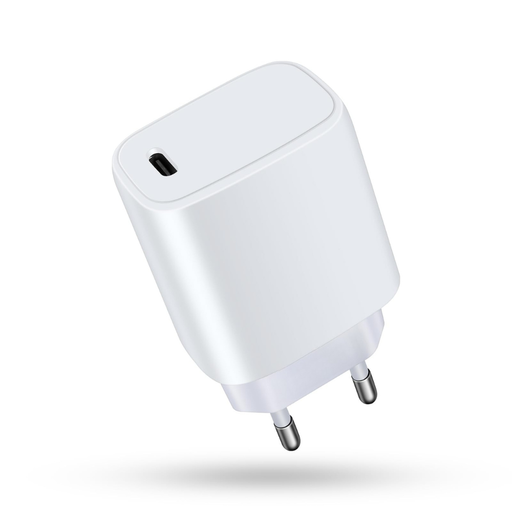
Why it suits this profile: A compact option for home, the office or when you’re out and about, if one USB-C connection is all you need.
The single-port design makes it clear what you’re getting. Just check that your phone and cable support 20W charging.
20W output according to the product name; compact size; one USB-C port.
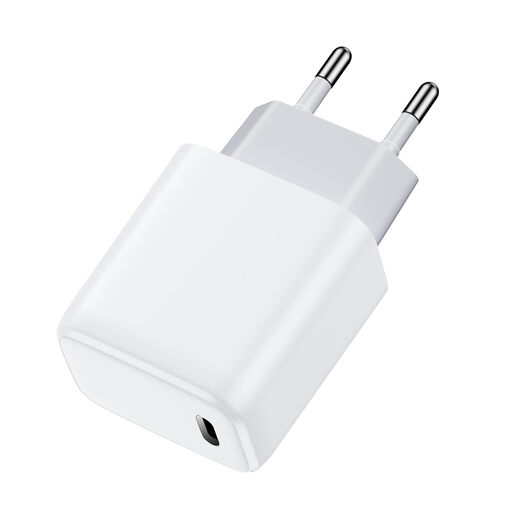
Why it suits this profile: Ideal if you want a higher output for a compatible device and a charger you can take with you when travelling.
The rated power is clearly stated in the product name. More watts doesn’t automatically mean faster charging, so check your phone’s specifications.
30W output according to the product name; portable design; USB-C connection.
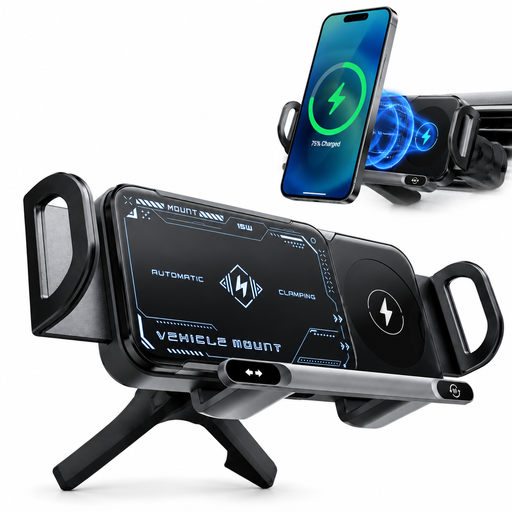
Why it suits this profile: Handy for drivers who want to use navigation and charge wirelessly at the same time, provided their phone supports it.
Before buying, check that your phone supports Qi charging and that the holder fits your air vent. The product description says the holder rotates through 360°.
Qi charging function according to the product information; automatic clamp; rotating mount for navigation.
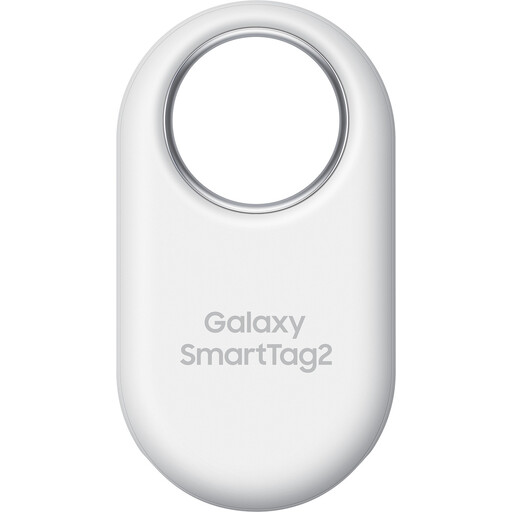
Why it suits this profile: For Galaxy users who want to find keys, bags or other personal belongings using an app.
Compatibility is limited to Galaxy smartphones and tablets running Android 11 or later. Check this before buying.
Bluetooth 5.3 and BLE; IP67 rating according to the product information; CR2032 battery with a stated battery life of up to 500 days, depending on use, according to Samsung.
We’ve put together a complete, up-to-date list of products that meet these strict selection criteria and the applicable European safety regulations.
For many people, a USB-C charger, spare cable and screen protector are practical essentials. Drivers may also want to consider a car phone holder. If you use a Samsung Galaxy device, a Samsung Galaxy SmartTag2 could be useful for keeping track of your keys or bag.
Its lifespan depends on how you use it, what you carry in your bag, drops and how it’s installed. Replace the protector if it cracks, the edges start to lift or touch response noticeably worsens. With privacy glass, you should also consider its possible effect on brightness and viewing angle.
A fast charger doesn’t use its maximum power all the time. Your phone draws the power it supports and often reduces it as charging progresses. Actual power consumption depends on the battery status, device, cable and charging protocol. So don’t just check whether it says 20W or 30W; make sure all the components are compatible too.
