
Vandaag of morgen in huis

Kwaliteit gegarandeerd

Welkomstaanbiedingen ontgrendelen: GRATIS bezorging | Tot 80% korting | Gratis 30 dagen JoyPlus-proefperiode
Download de app
A smart scale seems like a simple purchase—until you find yourself lost in a maze of specifications, apps, and marketing promises. Many people buy a model that ends up gathering dust in the corner of the bathroom after just a few months. This is often due to a few common pitfalls that make your purchase impractical.
Before you make a decision, it's important to know what to look for. We've outlined the most important considerations to help you choose a scale that actually contributes to your goals, instead of causing frustration.
app-connected scale is only useful if the software works well. Many cheaper models come with apps that are riddled with ads, are confusing to use, or stop receiving updates after a year. Your privacy and ease of use are essential here.bathroom scale is to provide a reliable weight measurement. Yet, many models fail at this. If you get different results within minutes, it's impossible to track your progress. This is often caused by low-quality sensors or a design that requires a perfectly flat surface.To avoid the pitfalls mentioned above, focus on the specifications that truly matter. These are the factors that determine whether a digital scale is a useful tool or a source of annoyance.
A reliable measurement starts with the hardware. Most modern scales use four sensors for a stable reading. Pay attention to the graduation, which indicates how precisely the scale measures. A graduation of 0.05 kg (0.1 lb) or 0.1 kg (0.2 lb) is common and sufficient for most users.
For a body composition scale, BIA (Bioelectrical Impedance Analysis) technology is used. It sends an imperceptible, weak electrical current through your body to measure its composition. The accuracy of a scale with body fat measurement depends on the number of electrodes:
A Bluetooth scale automatically syncs your data with your smartphone. Before you buy, check if the accompanying app:
Don't be tempted by a long list of obscure statistics. Most users only need the following core metrics to track their health and fitness:
A BMI scale that reliably measures these values already provides a complete picture for most health and fitness goals.
Based on the criteria above, we have selected a few models that suit different user profiles.
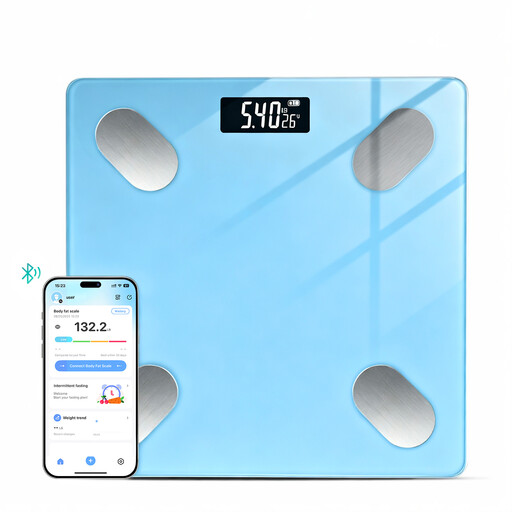
Why This Fits Their Persona: Ideal for those who want to start tracking their health data without a major investment. This scale offers all the essential functions in a simple and affordable package.
Focuses on 13 core metrics via the OKOK app, so you don't pay for superfluous features. The app is functional, and the multi-user mode works well for households.
Full body analysis with app connectivity at an accessible price point. Supports multiple users with automatic recognition.
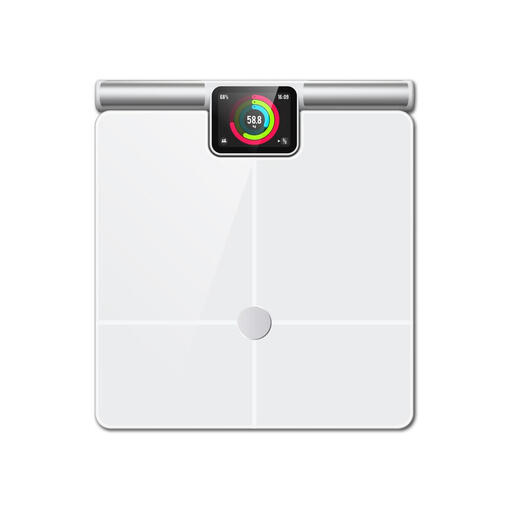
Why This Fits Their Persona: For fitness enthusiasts and athletes who need more detailed and accurate data to optimize their training and nutrition plans.
Tackles the pitfall of inaccurate measurements with its 8-electrode technology. This provides a segmental analysis of the arms, legs, and torso, offering a more reliable picture than standard 4-electrode scales.
Professional 8-electrode measurement and a bright TFT color screen for viewing data directly. Wi-Fi and Bluetooth connectivity for automatic syncing.
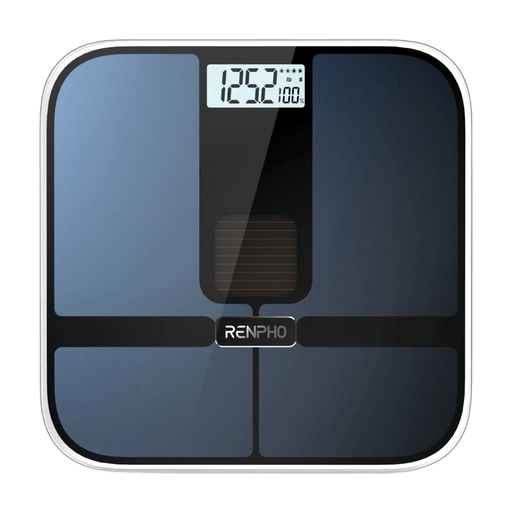
Why This Fits Their Persona: Perfect for a household where multiple people use the scale and no one wants to worry about replacing batteries. Convenience and sustainability are key.
RENPHO has a reliable and user-friendly app, avoiding the "bad app" pitfall. The automatic user recognition is a practical solution for families.
Runs on solar power, so there's no fussing with batteries. The automatic user recognition makes sharing the scale effortless.
We have compiled a complete, up-to-date list of products that fully meet these strict selection criteria and safety regulations.
The BIA technology in home-use scales is meant to track trends, not for medical diagnoses. The absolute accuracy can vary depending on factors like hydration, time of day, and whether you've recently eaten or exercised. However, for monitoring your progress over a longer period, they are a very useful tool. Consistency is more important here than perfect precision. Models with 8 electrodes generally offer a more reliable view of body composition.
Yes, this is crucial for accurate measurements. Always place the scale on a hard, flat surface, such as a tile floor, parquet, or laminate. Never use the scale on carpet, a bath mat, or any other soft surface. This can lead to incorrect and inconsistent readings, one of the most common frustrations.
For most people, its use is safe. However, a major exception applies to individuals with electronic medical implants, such as a pacemaker. Because BIA technology sends a weak electrical signal through the body, using the body analysis functions is not recommended for this group. When in doubt, always consult a physician. Many smart scales can also be set to measure weight only.
