
Vandaag of morgen in huis

Kwaliteit gegarandeerd
Download de app
Categorieën

Anyone serious about their health looks for ways to measure progress. A standard scale only tells part of the story. You want to know if you're building muscle, losing fat, and how your body composition is changing. However, the market for smart scales with body analysis is vast, and the promises are many. How do you make a choice based on facts, not just marketing?
This article helps you understand the right parameters, so you can choose a device that fits your health monitoring goals.
Before you make a choice, it's important to know which technology and features truly matter. Focus on the specifications that determine accuracy and usability.
Most standard smart scales use a 4-electrode system. These electrodes are located on the weighing platform and send a weak, imperceptible electrical current (Bioelectrical Impedance Analysis, or BIA) through your lower body. Based on the resistance, an estimate of your total body composition is made. The disadvantage is that this measurement primarily analyses the legs and hips and extrapolates the data for the upper body.
An 8-electrode scale offers a more detailed measurement. In addition to the four electrodes on the platform, you hold a handle with four more electrodes. This sends the current through both your arms and your legs, enabling a segmented analysis of your torso, arms, and legs. This typically provides a more accurate and complete picture of your fat percentage and muscle mass.
A smart scale with body composition analysis can collect a large amount of data. Consider which metrics are important to you:
Your health is a 24/7 process. A scale provides a snapshot in time. For a complete picture, you can combine it with a device that tracks your daily activities, sleep, and stress levels. A smartwatch or sports watch is a logical addition for this purpose. Look for features like a continuous heart rate monitor, SpO₂ measurement (blood oxygen saturation), and a fitness tracker with long battery life for uninterrupted monitoring.
Based on the criteria above, we have selected devices that excel in their specific functions and support a data-driven approach.
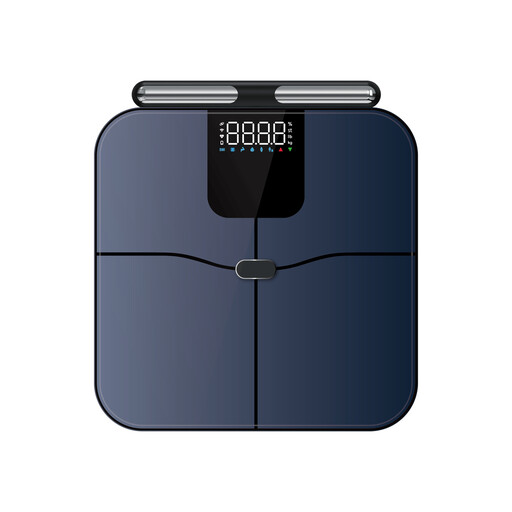
Why This Product This model is designed for those seeking maximum accuracy. The core of this device is its 8-electrode technology combined with dual-frequency BIA. This provides a segmented analysis of the arms, legs, and torso, resulting in a more detailed and reliable view of body composition than standard 4-electrode scales. The scale measures an impressive 56 different body parameters.
Advantages
Who It's For For serious athletes, bodybuilders, and data-driven individuals who want a deep, segmented understanding of their body composition to optimise their training and nutrition.
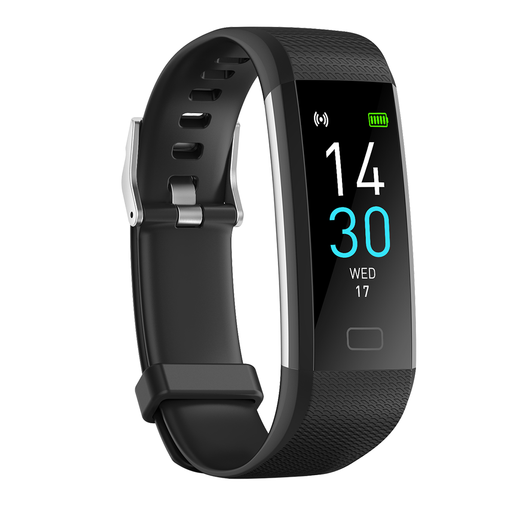
Why This Product This fitness tracker is an excellent companion to a smart scale. Where the scale offers a snapshot, this watch monitors your health throughout the day. Its most striking feature is the battery life. According to the manufacturer, the 145mAh battery provides a standby time of up to 50 days, making it a practical choice for those who don't want to charge daily.
Advantages
Who It's For For anyone who wants a complete picture of their well-being, including daily activity, sleep, and stress. Ideal for those seeking a reliable and low-maintenance smartwatch to complement periodic body composition analysis.
An accurate measuring instrument depends on a reliable power source. The 8-electrode scale runs on AAA batteries. To ensure your measurements remain consistent and accurate, using high-quality batteries is essential. A low battery voltage can affect the precision of the BIA measurement.
Therefore, make sure you always have a supply on hand. Check out our range of fresh batteries to keep your equipment in top condition.
1. How accurate is a smart scale with body composition analysis? The accuracy depends on the technology (BIA with 4 or 8 electrodes) and the conditions. For the most consistent results, weigh yourself at the same time of day, for example, in the morning before eating and after using the restroom. View the measurements as a trend indicator to track your progress over time, not as a medical diagnostic tool. An 8-electrode scale generally provides a more reliable picture than a 4-electrode model.
2. Can I use the scale if I have a pacemaker? No, the use of body analysis functions (such as measuring fat percentage and muscle mass) is not recommended for individuals with a pacemaker or other implanted medical devices. The bioelectrical impedance analysis can interfere with the operation of these devices. In that case, you can use the scale exclusively to measure your weight.
3. Do I need both a smartwatch and a smart scale? It's not a requirement, but the devices complement each other well. A smart scale with body composition analysis gives you periodic, in-depth insights into your body composition. A sports watch or smartwatch supplements this with continuous data on your daily activity, sleep patterns, stress, and heart rate. Together, they provide a much more complete picture of your overall health and the impact of your lifestyle.