
Vandaag of morgen in huis

Kwaliteit gegarandeerd

Welkomstaanbiedingen ontgrendelen: GRATIS bezorging | Tot 80% korting | Gratis 30 dagen JoyPlus-proefperiode
Download de app
A smart kettle seems like a simple upgrade, but the reality is often more complex. You invest in convenience and precision, only to end up with a device that causes more frustration than joy. Many models make lofty promises with features that disappoint in practice. Before you make a choice, it's crucial to know the common pitfalls.
As a Joybuy Product Recommendation Officer, I see daily which specifications truly make a difference and which are just marketing fluff. Let's look at the three most common mistakes that can cost you money.
A smart purchase starts with seeing through these problems and focusing on the specifications that truly matter.
To avoid buyer's remorse, it's best to focus on a few concrete, verifiable features. These determine whether a smart kettle is worth its price.
The main reason to opt for an advanced model is the ability to set the temperature. A kettle with temperature control is essential for various purposes:
Check if the model has fixed temperature presets (e.g., 70, 80, 90, 100°C) or, even better, is adjustable by the degree.
A kettle with an app is only useful if the software is stable and actually adds value. Good app functionality includes:
A model like the Nedis kettle uses the broad SmartLife platform, which often provides a better guarantee of stability and updates than a proprietary, obscure app from an unknown brand.
The interior material directly affects taste and durability. A stainless steel kettle made of food-grade stainless steel (type 304) is a solid choice. It's durable, doesn't impart flavours, and is relatively easy to clean.
Also, consider the capacity. A 1.7-litre kettle is a standard size, suitable for most households. For smaller households or those looking to save space, 1 to 1.5 litres may suffice.
A final important point is the safety controller, the component that shuts off the kettle. A Strix controller is considered the gold standard in the industry, offering reliable boil-dry protection and a longer lifespan.
Based on these criteria, we have selected a few models that suit different user profiles.
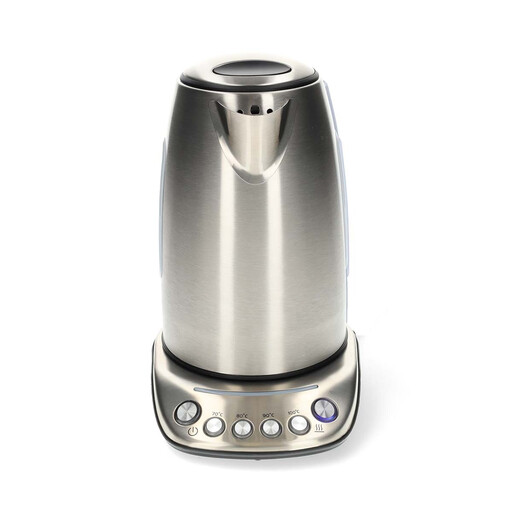
Why This Fits Their Persona: This model is ideal for those who want to automate their kitchen. Through the Nedis SmartLife app, you can control the kettle remotely, set schedules, and select the temperature with degree-level precision, perfect for integration into an existing smart home system.
The SmartLife app is a mature platform used for many devices, which reduces the risk of an unstable, useless app. The stainless steel body and Strix controller address concerns about material quality and durability.
Full control via the app (1-100°C), 1.7-litre capacity, and a reliable Strix controller for safety.
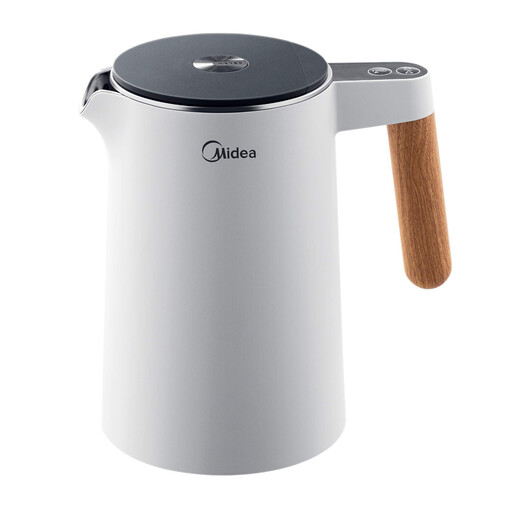
Why This Fits Their Persona: For those who need precise temperatures without the complexity of an app. The adjustable temperature (45°C-100°C) and keep-warm function are perfect for preparing baby formula or brewing different types of tea.
This model focuses on reliable, physical controls, thus bypassing the pitfall of a poor app. The double-wall, BPA-free stainless steel interior guarantees safety and pure taste, which is crucial for baby formula.
Wide temperature range (45-100°C), LED display, and a double-wall 'cool touch' design for extra safety in a busy household.
We have compiled a complete, up-to-date list of products that meet these strict selection criteria and safety standards.
The lifespan of a smart kettle depends heavily on its build quality and maintenance. A model with a high-quality Strix controller and a robust stainless steel body typically lasts 3 to 5 years, comparable to a high-quality traditional kettle. Regular descaling is crucial to keep the heating element and sensors in good condition.
This depends on your lifestyle. If you like waking up to water that's already at the perfect temperature, or if you often prepare beverages that require a very specific temperature not available as a standard preset, then a kettle with an app offers clear advantages. For those who simply need boiling water quickly, the buttons on the device itself will suffice.
Descaling a stainless steel kettle is simple. Fill the kettle with a mixture of equal parts water and white vinegar (or a citric acid solution). Bring the mixture to a boil and let it sit for an hour. Empty the kettle, rinse it thoroughly several times with clean water, and then boil a full kettle of fresh water to remove any residual vinegar taste. Repeat this process every 1 to 3 months, depending on the water hardness in your area.
