
Vandaag of morgen in huis

Kwaliteit gegarandeerd

Welkomstaanbiedingen ontgrendelen: GRATIS bezorging | Tot 80% korting | Gratis 30 dagen JoyPlus-proefperiode
Download de app
Glasses that do more than just correct your vision or block the sun. That's the promise of smart glasses. The technology is evolving rapidly, and what once seemed like science fiction is now a reality. But what can you really do with them, and which model is right for you?
Whether you're a tech enthusiast, a content creator, or a professional looking for ways to be more productive, the choices can be overwhelming. In this guide, we'll provide practical insights to help you understand the different types of smart glasses and find a model that fits your needs—without the marketing jargon.
Before making a choice, it's important to consider a few key points. A pair of smart glasses is a personal investment, so think carefully about how you plan to use them.
Not all smart glasses are created equal. Their features vary widely. Are you looking for simple audio glasses to discreetly listen to music and take calls? Or do you want glasses with a camera to capture your life from a first-person perspective? For the most advanced users, there are models with AI assistance, like ChatGPT glasses, or even AR glasses (Augmented Reality) that project digital information onto the real world. Meanwhile, translation glasses can be a game-changer for frequent travellers. Determine your priority: is it audio, camera, information, or a combination?
You wear smart glasses on your face, so comfort and style are essential. Pay attention to the weight and fit. Some models, like smart sunglasses, are designed to look like regular eyewear, while others have a more futuristic appearance. Check the dimensions and ensure the frame suits your face shape. Glasses that aren't comfortable will end up in a drawer, no matter how smart they are.
How long does the battery last during active use? And how do you charge it? Most models come with a charging case that provides extra power on the go. Also, consider the connection. Nearly all smart glasses work via Bluetooth in tandem with a smartphone app (iOS or Android). Some advanced models also offer Wi-Fi for faster data transfer.
Based on functionality, design, and user experience, we've highlighted several compelling options for you.
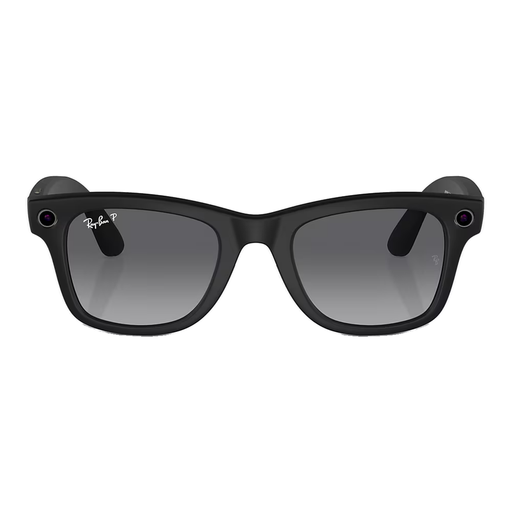
Why it stands out: The Ray-Ban Meta combines the iconic Wayfarer design with Meta's technology. These are smart sunglasses that don't immediately look like a piece of tech. The focus is on seamlessly capturing and sharing content.
According to the manufacturer, the 12MP ultra-wide camera and five-microphone array allow you to capture high-quality photos and videos. The open-ear speakers are designed for clear audio without completely isolating you from your surroundings. You can control them using voice commands ("Hey Meta") or the touchpad on the temple. The Meta AI assistant can help with translations, look up information, and offer creative suggestions.
Key Features:
Best for: Fashion-conscious users and content creators looking for a stylish way to capture and share moments without reaching for their phone.
View the Ray-Ban Meta Wayfarer
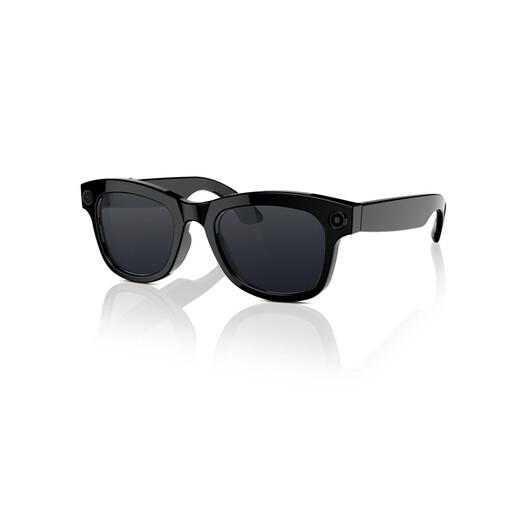
Why it stands out: The Verbex M01 positions itself as a powerful pair of translation glasses. According to the manufacturer's specifications, this model supports real-time translation in 145 languages, making it a compelling tool for travellers and professionals.
In addition to translation, these AI glasses offer features like photography, video recording, and access to ChatGPT. It is controlled via voice and a touch interface. The glasses are designed as an all-in-one device that can also function as a Bluetooth headset for music and calls.
Key Features:
Best for: Frequent travellers, expats, or professionals who regularly encounter different languages and need a hands-free translation solution.
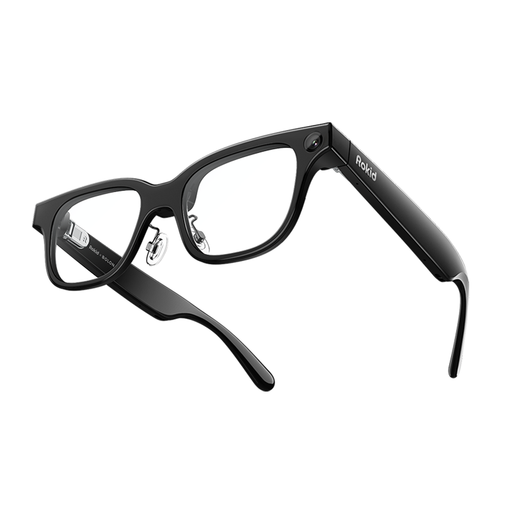
Why it stands out: The Rokid Glasses are true AR glasses, meaning they have a display that can project digital information into your field of view. Weighing just 49 grams, they are remarkably lightweight for glasses with this functionality.
The manufacturer states that the glasses support AI assistants like ChatGPT and Gemini. The focus is on productivity: think real-time navigation instructions, displaying notes during a meeting, or instantly translating conversations on your screen. This makes them more of a 'heads-up display' for your daily life.
Key Features:
Best for: Early adopters and professionals who want to explore the potential of Augmented Reality for work and productivity, and are looking for a tool that brings information directly into their line of sight.
The world of smart devices is expanding rapidly, not just for wearables but also for in and around the home. If you're interested in other smart solutions beyond personal gadgets, such as automating your home comfort, you can explore our range of Balcony Blinds.
Features vary by model, but most smart glasses offer a combination of:
Yes, owning and using glasses with a camera is generally legal. However, privacy laws (like GDPR) apply. It is not permitted to secretly film people without their consent in situations where they have a reasonable expectation of privacy. Most camera glasses have an indicator light to show when they are recording, promoting transparency with those around you.
