Who are smaller packs useful for?

Small households looking to use up an opened loaf

If you only eat breakfast cake at lunch on a few days of the holidays, the pack size and number of slices matter more than the term ‘half loaf’. Jumbo and PLUS offer sliced packs weighing 265 g and 345 g; also check how to store your chosen cake after opening.

Parents who want lunch portions without having to slice them

Individually wrapped portions can be handy for separate lunch occasions. Peijnenburg describes a pack containing ten individually wrapped 28 g slices. Compare this format with a sliced loaf if the slices will mainly be eaten at home.

Shoppers who put the label first

If ingredients, sugars or allergens influence your choice, compare the specific products rather than looking only at their size. According to the Netherlands Nutrition Centre, common allergens are clearly shown on the label; check the nutritional information on the pack you buy too.

What should you look for when choosing?

Work out how much breakfast cake you’re likely to eat during the holidays. Then choose between a sliced loaf and individual portions, and read the label on your chosen product before buying.

What to consider What to check when buying Who it matters to
Leftovers after opening Compare the net weight, number of slices and storage advice. If breakfast cake is only on the table on a few days, I don’t want to be left with a large, opened loaf. For around 40% of consumers, reducing leftovers is the top priority.
Individual lunch portions Check whether the slices are pre-sliced or individually wrapped, and how many grams are in each portion. For lunches prepared or taken along at different times, I want to be able to grab a slice without cutting it. Around 30% of consumers prioritise this convenience.
Ingredients and allergens Read the ingredients list, allergen information and nutrition information per 100 g and per portion. If an ingredient or a sugar claim determines my choice, I want to know exactly what this product contains. Label information is the top priority for around 30% of consumers.

Common mistakes

  • Assuming ‘half loaf’ means a standard size

    Shops list specific weights, but the term ‘half loaf’ doesn’t tell you how much breakfast cake you’re getting. A pack could still be larger than you need for a few lunches.

    Compare the weight in grams and the number of slices with how much your household is likely to use.

  • Treating a sugar claim as complete nutritional information

    ‘No added sugars’ doesn’t mean a breakfast cake contains no sugars. Nor does the claim tell you which other ingredients or sweeteners are in the specific product.

    Read the ingredients list and compare ‘of which sugars’ per 100 g and per portion on the current pack.

  • Overlooking allergen warnings

    For Peijnenburg plain sliced 345 g, PLUS lists rye and cereals containing gluten. Check the ingredients and any ‘may contain’ warnings for each product.

    So check the clearly highlighted allergens and other warnings on the pack you actually buy.

Brands to compare

Peijnenburg

Peijnenburg is available in smaller breakfast cake packs at Jumbo and PLUS, including sliced options weighing 265 g and 345 g. The brand also describes a pack containing ten individually wrapped 28 g slices.

  • You can compare a smaller sliced loaf with individual portions.
  • Check the weight, ingredients and allergens for each product; the packs are not all the same.

Albert Heijn

Albert Heijn stocks both a 345 g Peijnenburg pack and larger breakfast cake packs weighing 485 g and 600 g.

  • The different weights make it easier to compare pack sizes.
  • Albert Heijn notes that product information can change; check the label on the cake you choose.

Jumbo

Jumbo offers, among other products, Peijnenburg options weighing 265 g and 345 g, as well as Jumbo Old Wives’ Breakfast Cake weighing 350 g.

  • There are smaller loaves and portion packs to compare side by side.
  • Check whether each product is sliced and what information appears on the current label.

PLUS

PLUS describes Peijnenburg plain sliced 345 g as a pack containing twelve slices and provides storage advice.

  • The number of slices helps you work out whether the pack suits your planned lunches.
  • Use the information on the pack you buy to check the ingredients and storage instructions before you decide.

Koek & Bakker (ALDI)

ALDI describes sliced Koek & Bakker breakfast cake in 485 g packs.

  • A larger sliced pack could suit you if several people eat breakfast cake on different days of the holidays.
  • If your household only needs a few slices, 485 g calls for a different calculation than a 265–350 g pack.

Breakfast cake at Joybuy

This 250 g pack is a good option if you’re looking for a smaller amount of breakfast cake for occasional lunches. Compare the portion format and label with what you need at home.
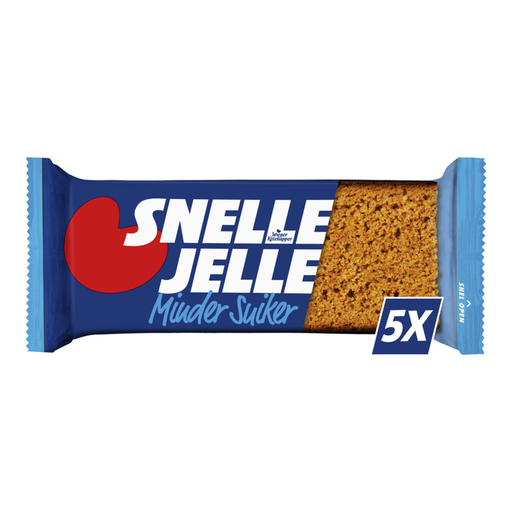
Snelle Jelle Breakfast Cake Less Sugar-Free, 250 g pack

Snelle Jelle Breakfast Cake Less Sugar-Free, 250 g

A smaller pack to consider if you only need breakfast cake for a few lunches. Don’t let the Less Sugar-Free name take the place of checking the ingredients list, allergen information and nutrition information on the pack.

View at Joybuy

Frequently asked questions

Is ‘half loaf’ a standard size for breakfast cake?

No. Don’t use that description as a guide to pack size. Jumbo, PLUS and Albert Heijn list packs in a range of weights, so compare the net weight and number of slices in the products you’re considering.

How should I store an opened, smaller breakfast cake?

Follow the storage advice on the specific pack. For Peijnenburg plain sliced 345 g, PLUS recommends storing it in a cool, dry place, preferably in a sealed tin or container.

Where can I find the allergens in a breakfast cake lunch portion?

Read the ingredients list and allergen information on the pack you buy, including for individually wrapped portions. The Netherlands Nutrition Centre explains that common allergens must be clearly stated on the label; don’t assume every breakfast cake product has the same ingredients.

Does ‘no added sugars’ mean the cake contains no sugars?

No. ‘No added sugars’ and ‘sugar-free’ don’t mean the same thing. For your chosen product, check ‘of which sugars’ in the nutrition information and read the ingredients list, even if the product name makes a claim about sugar.

Is every breakfast cake made with iodised baker’s salt?

Don’t assume this applies to a particular pack. Brood.net describes the use of iodine-containing baker’s salt in the Netherlands as part of an agreement, not a general legal requirement. Check the ingredients list to see which type of salt is used in that product.
