
Vandaag of morgen in huis

Kwaliteit gegarandeerd

Welkomstaanbiedingen ontgrendelen: GRATIS bezorging | Tot 80% korting | Gratis 30 dagen JoyPlus-proefperiode
Download de app
Living in a studio, a dorm room, or simply need some extra cooling space? A small refrigerator is the logical choice. But the search can feel like a maze of confusing specifications and marketing promises. The wrong choice can lead to unexpectedly high energy bills, a disruptive hum, or a layout that can't fit anything you need.
As a Joybuy Product Recommendation Officer, I'm here to help you cut through the noise. We'll focus on the facts so you can choose a model that fits your space and lifestyle, with no regrets later. Let's look at the three most common pitfalls.
energy-efficient small refrigerator isn't a luxury; it's a smart investment.You don't need to read a technical manual to make a good choice. Focus on these three concrete points.
Since 2021, refrigerators have a new energy label ranging from A (very efficient) to G (very inefficient). A tabletop refrigerator with a C or D label can make a significant difference on your annual energy bill compared to a model with an F label. Don't just look at the label; also check the annual energy consumption in kWh. Multiply this number by your electricity rate, and you'll know exactly what the refrigerator will cost you per year.
For a refrigerator that will be in your living or sleeping area, the noise level is crucial. A quiet refrigerator is essential for your peace of mind.
Think carefully about what you need. A mini-fridge is ultra-compact but often doesn't offer a freezer option. A tabletop refrigerator is slightly larger and more versatile.
tabletop freezer is a better solution. This gives you much more space and better freezing performance.Based on objective specifications, we have selected a number of models that suit different user profiles.

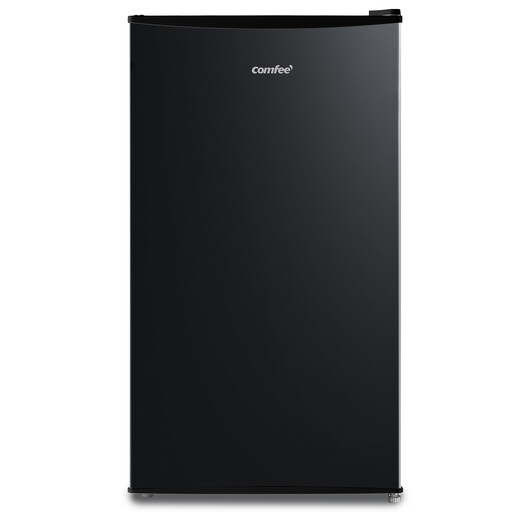
Why This Fits Their Persona: Perfect for a dorm room or first apartment. The 88-litre capacity is spacious enough for one person, and the sleek black design fits into any interior.
Avoids the 'false quiet' trap with a specified noise level of just 39 dB, which is exceptionally quiet and ideal for a living and sleeping area.
Practical layout with 3 door compartments and a vegetable drawer. The annual energy consumption of 90 kWh (Label E) keeps running costs low.
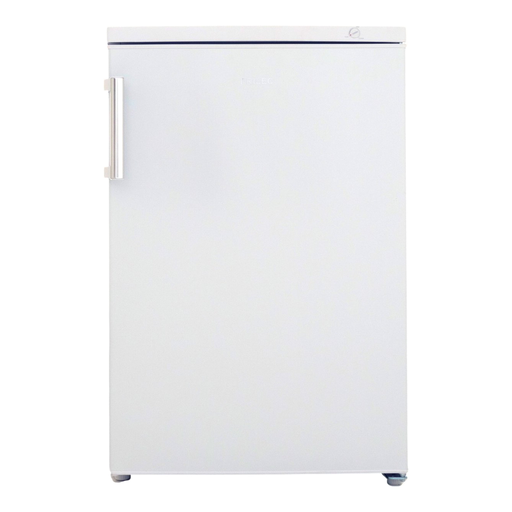
Why This Fits Their Persona: For those who want a compact refrigerator but don't want to compromise on freezer capabilities. Ideal for a small household or as an extra fridge in the garage or office.
Tackles the pitfall of a useless freezer compartment. This model has a proper 4-star freezer compartment of 12 litres, allowing you to freeze fresh products down to -18°C.
Quiet at 39 dB, flexible placement thanks to the reversible door, and equipped with bright LED lighting. A complete and well-thought-out solution.
Why This Fits Their Persona: For anyone who needs serious freezer space. Ideal for stocking up on supplies, freezing produce from the garden, or for larger families seeking extra capacity.
This is not a compromise, but a specialized solution. It solves the hidden energy cost trap with an excellent C energy label, which is very efficient for a freezer.
A spacious 85-litre capacity divided over 3 transparent drawers for a clear overview. At 38 dB, it is also extremely quiet.
We have compiled a complete, up-to-date list of products that meet these selection criteria and comply with Dutch regulations.
A quiet refrigerator has a noise level of 39 dB or lower. This is comparable to the sound in a library or a soft whisper. In a normal living environment, this sound will blend into the background and will not be perceived as disruptive, even at night.
This is an important technical detail. A 3-star freezer compartment can reach a temperature of -18°C and is intended for storing already frozen products for an extended period. However, you cannot use it to freeze fresh food. A 4-star freezer compartment can. It can quickly bring fresh products down to a safe freezing temperature of -18°C or lower, which preserves their quality, vitamins, and taste.
For optimal and energy-efficient operation, there are a few guidelines. Place the refrigerator on a flat, stable surface. Ensure adequate ventilation space: leave at least 5 to 10 centimetres free at the back and sides so the appliance can dissipate its heat properly. Do not place it next to a heat source such as an oven, radiator, or in direct sunlight.
