First, measure your viewing distance and the space the TV will take up, including its stand; a small living room doesn’t automatically determine the right screen size. If you watch in subdued light and value contrast, you could compare compact OLED models. In a room with lots of daylight, brightness and reflections matter more. An art mode is most relevant if you also want to display images when you’re not watching documentaries.
Who is this relevant for?
Viewer with a short viewing distance
You want a screen that’s comfortable to watch from your seat and fits in your space. Measure the distance and available width before choosing a size. The Consumers’ Association recommends using viewing distance as a starting point when assessing screen size.
Art lover who watches paintings on screen
When watching art documentaries, you may pay extra attention to colour, contrast and the settings that help you assess a familiar scene. The Consumers’ Association recommends judging picture quality using a familiar scene with both light and dark areas.
Daylight viewer
If you often watch in a bright room, weigh the brightness of the specific TV against reflections on the screen. The Consumers’ Association outlines differences between LCD and OLED, but screen technology alone doesn’t determine picture quality.
What should you look for when choosing?
Measure the distance from your eyes to the planned screen position, as well as the available space, including the stand. The Consumers’ Association suggests a comfortable viewing distance of around 2.4 times the screen diagonal. Use this as a starting point and compare nearby screen sizes too.
| Factor to consider |
What should you look for? |
Who does this matter more to? |
| Screen size and placement |
Measure the viewing distance and the TV’s overall dimensions, including the stand. |
If space is limited, I want to know whether the screen will be comfortable to watch and fit on my unit. Around 36% of consumers put finding the right size first. |
| Colour, contrast and settings |
Assess a familiar scene with both light and dark areas on the specific model. |
For art documentaries, I want to see colours and dark details on the TV itself, rather than relying on the screen technology alone. Around 29% of consumers prioritise picture quality. |
| Daylight and reflections |
Consider windows and lamps in relation to your seat, and assess the screen’s brightness and reflections. |
If I often watch during the day, I want to see the picture clearly without distracting reflections. Around 21% of consumers put daytime viewing first. |
| Displaying art and running costs |
Check whether the model has the art mode you want and compare its energy label. |
If I also want to use the TV to display images when I’m not watching programmes, I’ll factor in this feature and its energy consumption. Around 14% of consumers prioritise displaying art and everyday use. |
Common buying mistakes
-
Choosing a screen size without measuring your living room
Your viewing distance and the TV’s overall dimensions both affect whether it’s comfortable to watch and practical to position.
Measure the distance from your eyes to the screen and the available width. Check the dimensions including the stand before you order.
An awkward position may mean rearranging your furniture or making other adjustments.
-
Assuming screen technology guarantees true-to-life art colours
According to the Consumers’ Association, image processing plays a major role. The OLED, QLED or mini-LED label alone doesn’t determine how a particular TV displays images.
Assess the model with a scene you know that has both light and dark areas, and check which picture settings are available.
-
Assuming art mode makes it risk-free to display art permanently
Displaying a still image for a long time is different from watching a variety of documentaries. With OLED, this calls for extra consideration of image retention.
Compare the energy label for the exact model and think about how long you’re really likely to use art mode.
Brands to compare
LG
The 42-inch OLED42C54LA is a compact example to consider if you want to compare OLED and contrast.
- LG lists 4K and deep blacks for this model. These are manufacturer claims, not an independent measurement of colour accuracy.
- Image retention is a consideration when displaying a still image for a long time. The Consumers’ Association discussed this in historical OLED tests; those findings aren’t a prediction for every current model or use case.
Samsung
The 43-inch The Frame LS03HA is an example of a TV designed to make displaying art as much a focus as watching television.
- Samsung lists Art Mode and a QLED screen with Glare Free for this model.
- The manufacturer’s claim about reflections isn’t an independent assessment of documentary images or colour reproduction.
Philips
The 43PUS9000/12 is a 43-inch QLED model with Ambilight, worth considering if that feature matters to you.
- Philips lists Dolby Vision and Ambilight for this model.
- Philips’ description of how Ambilight works doesn’t prove that it reproduces the colours in paintings more accurately. Assess the picture separately.
TCL
According to TCL, the C6K series starts at 50 inches. Consider this larger size only if your measured living room has enough space.
- TCL lists QD-Mini LED and high HDR brightness for the series.
- Claims about contrast and reducing halo effects come from the manufacturer. Check the specification and size of the specific model.
TVs at Joybuy
This selection includes 42- and 43-inch TVs for anyone considering a smaller screen. Measure your viewing distance and check the overall dimensions to see whether a model will fit your living room.
 No image available
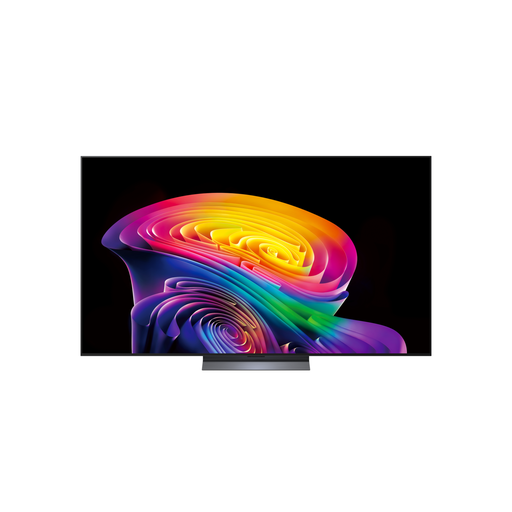
LG OLED42C68LA 42-inch 4K OLED TV
A 42-inch OLED model to compare if you value a compact size and contrast. First, measure your viewing distance and available width.
4K. OLED calls for different considerations when displaying a still image for a long time than when watching a variety of documentaries; the Consumers’ Association notes image retention as a factor to consider.
View at Joybuy
 No image available
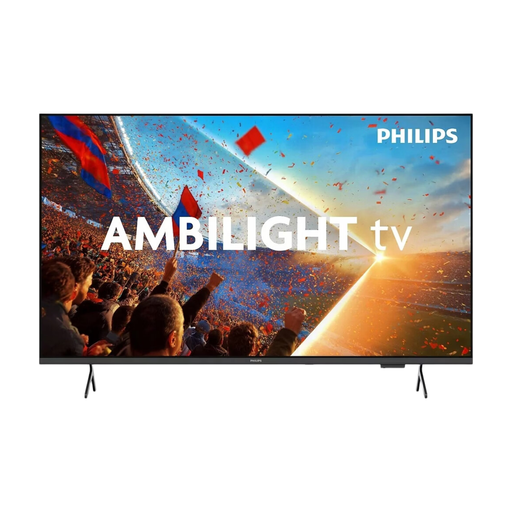
Philips 43PUS8001/12 43-inch 4K TV
A 43-inch LCD model to compare if you’re looking for a compact size. Assess the picture on the specific TV.
4K, HDR10+ and HLG.
View at Joybuy
 No image available
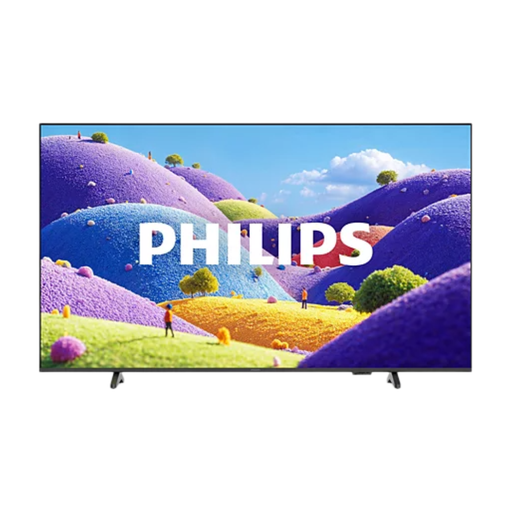
Philips 43PUS7061/12 43-inch 4K TV
This 43-inch model is an option to compare if you’re looking for a smaller TV. Whether the size is right depends on your measured viewing distance and available space.
LED, 4K, HDR10+ and HLG.
View at Joybuy
 No image available
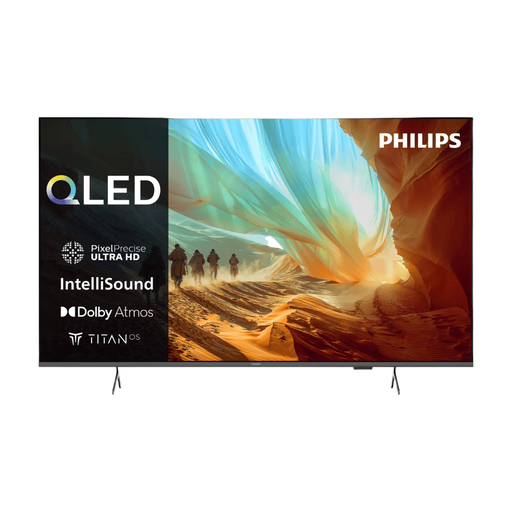
Philips 43PQS7801 43-inch 4K QLED TV (2026)
A 43-inch QLED model to compare if you’re looking for a compact size. Check the colours and contrast on the specific TV.
4K, HDR10+ and HLG.
View at Joybuy
 No image available
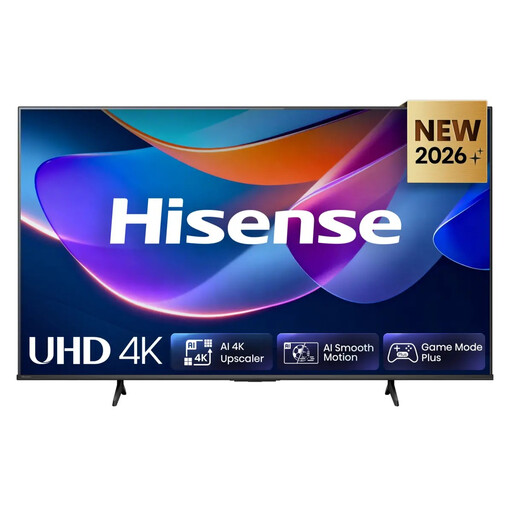
Hisense 43A6S 43-inch 4K UHD TV, 60 Hz
This 43-inch model is worth comparing if you’re looking for a compact screen. Check that it fits your space based on your own viewing distance and room dimensions.
4K UHD, 60 Hz and Dolby Vision.
View at Joybuy
Frequently asked questions
Does a small living room always need a 43-inch TV?
No. Measure the distance from your eyes to the planned screen position. The Consumers’ Association suggests a comfortable viewing distance of around 2.4 times the screen diagonal. Compare nearby screen sizes too, and check the overall dimensions including the stand.
How should I adjust the picture for an art documentary?
Start with a scene you know that has both light and dark areas. The Consumers’ Association recommends using a familiar scene to assess picture settings. Then adjust the settings or use a suitable built-in set-up guide.
Can I leave the same painting on an OLED screen for a long time?
Treat displaying a still image for a long time as a different use case from watching a variety of documentaries. The Consumers’ Association reported image retention after exceptionally long periods of displaying a still image in older tests, and expected few problems with normal, varied use. Those findings don’t predict the risk for every current model or duration of use.
What consumer rights and energy information apply in the Netherlands?
According to the Dutch government, the seller must provide a solution if there’s a problem with a product. For distance sales, the cooling-off period is usually 14 days. EU energy labelling rules apply to televisions. Compare the label for the specific model.


