
Keeping yoghurt chilled every day
You regularly store fresh yoghurt and want to be able to check the temperature, with enough room for the pots and packs you buy.


Start by looking at the space available: a freestanding compact fridge needs a suitable spot, while a built-under model must fit the kitchen unit, ventilation requirements and door system. Once installed, set the fridge to 4 °C and check the actual temperature with a separate thermometer; a dial or display alone doesn’t prove that your yoghurt is being stored at that temperature. Then compare the fridge capacity, any freezer compartment, annual energy consumption and the stated noise level of the exact models.
You regularly store fresh yoghurt and want to be able to check the temperature, with enough room for the pots and packs you buy.
You’re looking for a freestanding fridge and weighing up its external dimensions, door clearance and available space against its capacity.
You want to make use of the space and check that the dimensions, ventilation and cabinet door fittings are suitable for the model.
The Netherlands Nutrition Centre recommends a fridge temperature of 4 °C and advises checking the actual temperature with a separate thermometer. First, work out which type will fit your space, then compare the fridge capacity and how you’ll use it.
Suitable for: a kitchen without a suitable built-under space and with room for a freestanding appliance.
Bear in mind: the external dimensions and the ventilation space required by the manual.
Suitable for: a suitable space and cabinet door, if you don’t need a freezer compartment.
Bear in mind: the model’s exact space dimensions, ventilation requirements and door system.
Suitable for: a suitable space if you want a freezer compartment as well as fridge space.
Bear in mind: how much fridge space will remain for yoghurt and other fresh food.
| What to consider | What to look for when buying | Who is this important for? |
|---|---|---|
| Actual temperature | Set the fridge to 4 °C and check it with a separate thermometer; a dial or display doesn’t measure the actual temperature. | I want to store fresh yoghurt at the right temperature and check that this is working once the fridge is installed; around 36% of consumers cite temperature as their main concern when buying. |
| Fitting and installation | Measure the space or kitchen unit and check the door clearance, ventilation and installation instructions for the exact model. | I need to fit a fridge into a small kitchen and want the door to open properly; around 29% of consumers cite fitting the appliance into their space as their main concern when buying. |
| Usable fridge space | Compare fridge capacity in litres and check whether the shelves suit the height of your yoghurt pots and packs; check fridge and freezer space separately. | I want enough room for yoghurt and other fresh food, even if the fridge has a freezer compartment; around 21% of consumers cite usable fridge space as their main concern when buying. |
| Energy use and noise | Compare the stated energy consumption in kWh per year and the noise level of the exact models; use at home may differ from standard test results. | I want to take stated annual energy use and noise into account, especially in an open-plan kitchen; around 14% of consumers cite running costs and noise as their main concern when buying. |
The temperature setting shown may not match the temperature inside the fridge. What matters for yoghurt is the temperature the fridge reaches once installed.
Check it with a separate fridge thermometer and adjust the setting if needed until it reaches 4 °C, as recommended by the Netherlands Nutrition Centre.
A built-under model may require specific space dimensions, ventilation and a compatible door system. A freestanding compact fridge won’t necessarily be suitable for a kitchen unit.
Measure the space first and check the installation instructions and door system for the exact model.
An unsuitable space could mean adapting your kitchen or choosing a different type of fridge.
For the built-under models described by ETNA, the KKO682 has 138 l of fridge space and no freezer compartment; the KVO682 has 104 l of fridge space and 17 l of freezer space. These figures apply to those models.
Compare the fridge and freezer capacities separately, and choose a freezer compartment only if the remaining fridge space suits your shopping needs.
The stated annual energy consumption is based on standardised data. Actual energy use and your final electricity costs also depend on how you use the fridge and your own electricity tariff.
Compare the energy consumption in kWh per year for the exact models. Use your own tariff only if you want to make a personal cost estimate.
Your final electricity costs may therefore differ from a general estimate.
The freestanding KK550S has no freezer compartment and is worth considering if you’re looking for compact external dimensions and fridge space for everyday food.
The KTR15NWEB is a freestanding compact fridge without a freezer compartment; the KTL15NWEB is a separate version with a freezer compartment.
The freestanding Rc 1400 Pure is a compact fridge worth comparing if you’re looking for a space-saving option.
The KKO682 is a built-under model without a freezer compartment; the KVO682 is a separate built-under model with a freezer compartment.
The products below are compact fridges for small kitchens. Check the dimensions and layout of the exact model, and measure the actual temperature once it’s installed.
 No image available
A freestanding compact fridge worth considering if you’re looking for a space-saving option.
The product information lists an 88 l fridge capacity and three adjustable glass shelves. Once installed, use a separate thermometer to check whether the fridge reaches 4 °C in use.
 No image available
A freestanding compact fridge for anyone weighing up fridge space and different storage options.
The product information lists a capacity of 129 l, two glass shelves, a salad drawer and two door shelves. Once installed, use a separate thermometer to check whether the fridge reaches 4 °C in use.
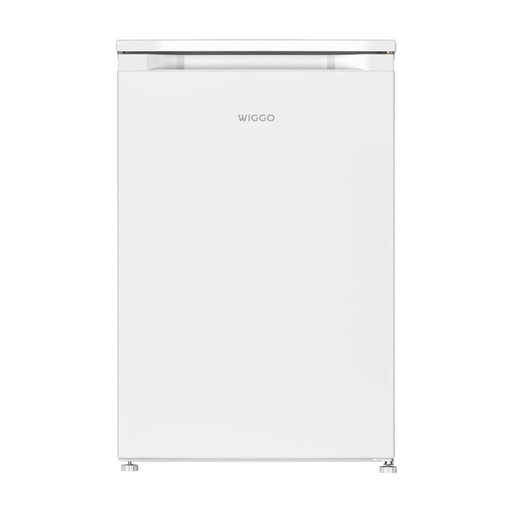 No image available
A freestanding compact fridge to include in your comparison for a small kitchen.
The product information lists a 107 l fridge capacity, a reversible door, adjustable feet, a glass shelf and a salad drawer. Once installed, use a separate thermometer to check whether the fridge reaches 4 °C in use.
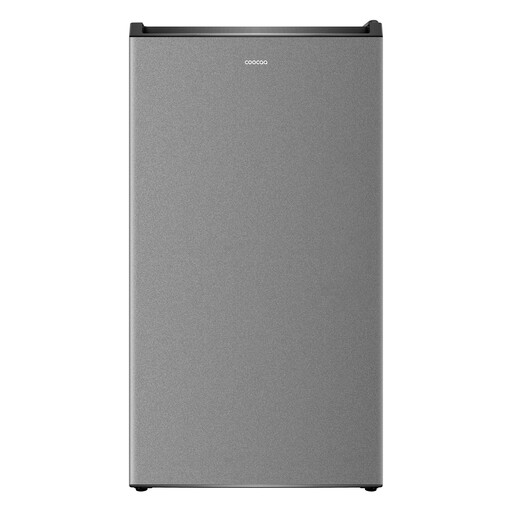 No image available
A compact fridge to consider when space is limited.
The product information lists 83 l of fridge space and dimensions of 44,4 × 45,6 × 85 cm. It also states that the temperature control is adjustable. Once installed, use a separate thermometer to check whether the fridge reaches 4 °C in use.
 No image available
A compact fridge to compare if the available kitchen width is an important consideration.
The product information lists a capacity of 92 l and a width of 47 cm, with adjustable glass shelves, a salad drawer and door shelves. Once installed, use a separate thermometer to check whether the fridge reaches 4 °C in use.
Set the fridge to 4 °C and check the actual temperature with a separate fridge thermometer, as recommended by the Netherlands Nutrition Centre. Leave the thermometer in the middle of the bottom shelf for half a day or overnight, then adjust the setting if needed. A dial setting or display reading alone doesn’t measure the actual temperature.
The Netherlands Nutrition Centre recommends keeping opened full-fat yoghurt in the fridge for 5–7 days. Put it back in the fridge promptly after use, at 4 °C, and use a clean spoon. For an unopened pack, follow the label and use-by date; this advice doesn’t automatically apply to every type of yoghurt.
Don’t assume that you can. Check the installation manual for the exact appliance and make sure you allow the required ventilation space. A built-under model is designed to fit a suitable space and may require a specific door system.
First compare the stated energy consumption in kWh per year on the energy label or product information sheet. Multiply it by your own price per kWh only if you want to work out a personal cost estimate; actual energy use may differ from the standard test result.
No. Check the dimensions and installation requirements for the exact model. Pay attention to the space dimensions, ventilation and door system, as a built-under model may require a specific space and a compatible cabinet door.