
Someone with limited space
Work out whether width, depth or clearance to open the machine is the main constraint – this will determine which type will fit. Consumentenbond explains the differences between top-loaders and front-loaders.


Choose a washing machine based on the available space for installation and connections, as well as the amount of laundry you usually wash at a time – not just a few napkins. A standard machine is more versatile if you wash other items too. A top-loader needs clearance above its lid, while a portable mini washing machine is best suited to separate small loads and involves extra steps for filling and draining.
Work out whether width, depth or clearance to open the machine is the main constraint – this will determine which type will fit. Consumentenbond explains the differences between top-loaders and front-loaders.
You may want to wash napkins separately or combine them with other suitable laundry. Compare the washing capacity with the separate spin-drying capacity, as with the Adler AD 8051.
You’re looking for one machine for napkins and everyday laundry. Consumentenbond and Milieu Centraal emphasise that the capacity should suit the loads you usually wash.
A good fit when: depth is limited, but you also want to do your everyday washing at home and have room for the door to open.
Trade-off: a shallower machine isn’t necessarily narrower. Remember to measure the connections and door clearance too.
A good fit when: width is the main constraint and there’s room to open the lid above the machine.
Trade-off: Consumentenbond gives a width of around 40 cm for top-loaders, compared with about 60 cm for standard front-loaders. A top-loader won’t fit under a worktop. In Consumentenbond’s tests, the top-loaders tested washed less effectively than a standard front-loader; this finding doesn’t necessarily apply to every model.
A good fit when: you mainly wash small items of laundry separately and can’t install a permanent machine.
Trade-off: check the washing and spin-drying capacities separately, and allow for the extra steps involved in filling and draining the machine.
A good fit when: a standard-width machine will fit and you can wash napkins with other suitable laundry.
Trade-off: compare the capacity with your usual load; you don’t necessarily need a larger drum for a few napkins.
| Consideration | What should you check? | Who is this most relevant to? |
|---|---|---|
| Will the machine fit, and can it be connected? | Measure the installation space, access route and clearance for opening the machine, and allow room for hoses. Check the drainage too. | If space is limited, I want to know whether the machine will fit with its door, lid and connections. Around 36% of consumers put available installation space first. |
| Is the capacity suitable for small loads? | Weigh a typical sorted load and check the maximum load for the relevant programme, as well as the spin-drying capacity. | If you prefer to wash napkins separately, you’ll want to know whether small loads are practical. Around 29% of consumers put the size of the laundry load first. |
| Is the programme suitable for stains and fabrics? | Check the care label and confirm the permitted temperature and load. Where possible, compare independent washing tests for the exact model. | If there are food or drink stains on the napkins, I want a suitable programme that won’t damage the fabric. Around 21% of consumers prioritise stain removal and fabric care. |
| Are the connections and water protection suitable? | Check the required water supply and drainage, that the surface is stable, that there’s an earthed socket, and what water protection the specific model offers. | If you live in a flat, you’ll want to know in advance whether the machine can be connected where you plan to put it and how the risk of water leaks is reduced. Around 14% of consumers put connections and the risk of leaks first. |
A machine might seem to fit on paper, but its door or top lid, hoses and access to connections could make it impractical to use in that spot.
Measure the full installation and operating space before choosing between a front-loader and a top-loader.
The stated maximums for the Adler AD 8051 are different: up to 3 kg for washing and up to 1 kg for spin-drying.
Compare the two capacities separately and decide whether spin-drying smaller batches would work for you.
A short programme or a manufacturer’s claim doesn’t prove how effectively food stains will be removed.
Choose a programme suited to the fabric and level of soiling, and check independent tests if they’re available for the exact model.
A leak can cause damage beyond the spot where the machine is installed.
Check the water protection on the exact model and find out in advance whether the machine can be installed and connected safely.
The features listed below apply to the specific models or product ranges mentioned. Check the dimensions and features of the exact version.
The AD 8051 is a portable mini washing machine for separate small loads.
The LTR87ULM top-loader is an example of a model with a stated capacity of 6 kg.
The WGE02406NL is an example of a standard front-loader with a capacity of 7 kg.
A Dutch product listing describes the FF1006WB0 as a 6 kg model with a depth of around 45 cm.
Beko’s model list includes the B1W764W BE, which has a capacity of 7 kg.
These Joybuy products have a range of load capacities and programmes. Compare the features listed with your usual laundry load and the space available.
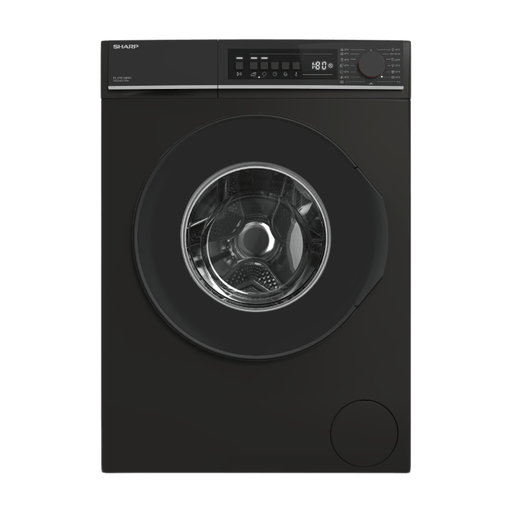
 No image available
The product description lists a Mini Load programme for small loads.
The title gives a capacity of 9 kg and 1400 rpm. The description also mentions AquaStop and ActiveWater Plus.
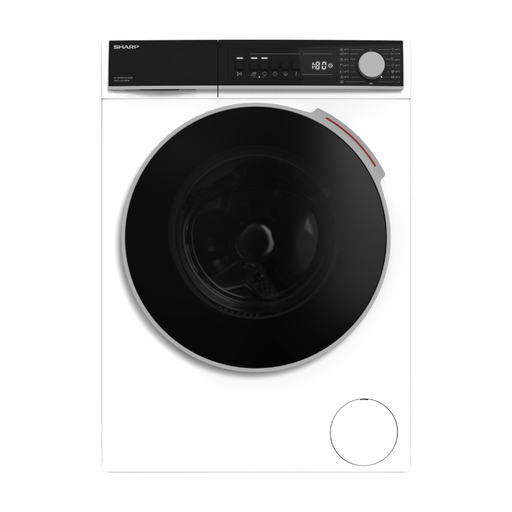
 No image available
The product description lists Mini/Mini14 and a half-load function for small loads.
The title gives a capacity of 7 kg and 1400 rpm. The description lists 15 programmes, including Stain; a programme name alone doesn’t prove that it removes stains.
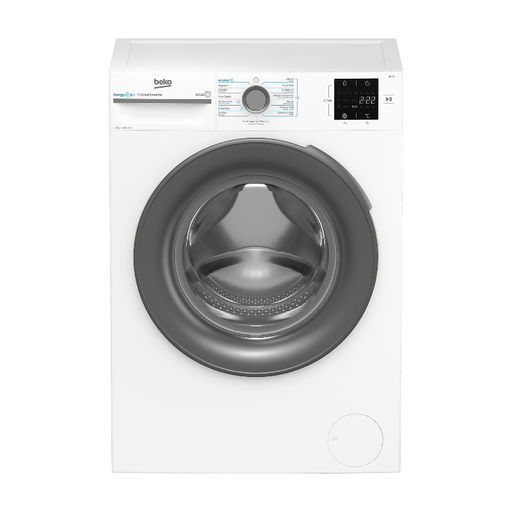
 No image available
The product description lists a 12-minute SuperJet programme for lightly soiled clothes. This doesn’t prove how well it works on food stains or every type of fabric.
The title gives a capacity of 9 kg and 1400 rpm. The description also lists 15 programmes, a steam function and AquaStop.
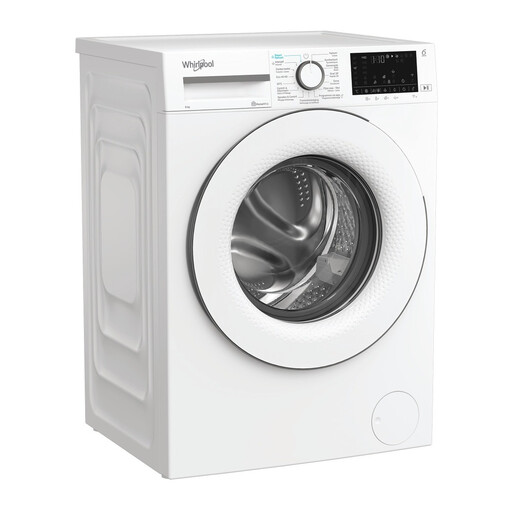
 No image available
The product description lists a half-load function and Mini/Mini14 for small loads.
The title gives a capacity of 7 kg and a C energy rating. The description also lists programmes such as Stain and Hygiene+, and AquaSafe water protection.
 No image available
The product description lists sensors that adjust the settings to the fabric, soil level and load.
The description also mentions app control and a delay start.
Not necessarily. If the care labels say the napkins can be washed with other suitable laundry, first compare machines that suit your usual load. A mini washing machine is mainly an alternative if you specifically want to do separate small loads.
No, the lid needs room to open above the machine. So, before choosing a spot, check that there’s enough clearance above the top-loader.
Check that the surface is level and stable, and follow the instructions for the water supply, drainage and connection to an earthed socket. Also check that the drain hose can be connected properly where you plan to put the machine.
No. According to the Dutch government, when you buy a product you’re entitled to one that works properly; a manufacturer’s or seller’s warranty is in addition to this. If there’s a problem with the product, contact the seller.
No, you can’t assume that for every mini washing machine. According to the European Commission, the relevant EU energy labelling and ecodesign rules don’t apply to household washing machines with a capacity of less than 2 kg. Check the stated capacity and product information for the specific appliance; Adler lists the AD 8051 as having a maximum washing capacity of 3 kg.