
Vandaag of morgen in huis

Kwaliteit gegarandeerd

Welkomstaanbiedingen ontgrendelen: GRATIS bezorging | Tot 80% korting | Gratis 30 dagen JoyPlus-proefperiode
Download de app
Choosing the right food for your small dog can be overwhelming. The shelves are lined with packages that promise the world, but what does your dog truly need? As a Joybuy Product Recommendation Officer, I'll help you see through the marketing claims and make an informed choice. We'll focus on the facts, so you can spend your money on what matters: your dog's health.
Before you place a bag of food in your shopping cart, it's crucial to recognise the common misconceptions that often lead to the wrong purchase.
To make a good choice, it's better to focus on a few concrete specifications on the packaging. These three points provide a solid foundation for your decision.
The most important nutrient for your dog is protein. Look at the first few items on the ingredients list. Do you see specific animal sources like "fresh chicken," "dried lamb," or "ocean fish"? That's a good sign. Vague descriptions like "meat and animal by-products" are less transparent about quality and origin. For small, active dogs, a food with a high percentage of quality animal protein is often a great starting point.
A dog's nutritional needs change with age.
Does your dog have sensitive skin or digestion? Then a hypoallergenic dog food or a grain-free small breed dog food might be worth considering. However, pay close attention to what the alternative ingredients are. For dental care, the shape and texture of the kibble are important. Some brands, like Eukanuba, develop specific kibbles that they claim help reduce plaque and tartar.
Based on the criteria above, we have selected a number of products that suit different dog owner profiles.
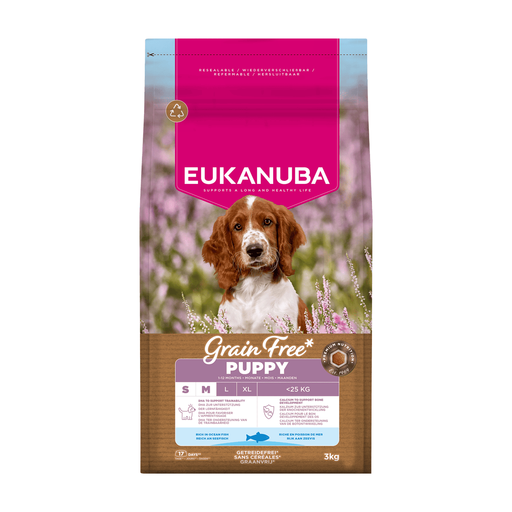
Why This Fits Their Persona: Specifically formulated for the growth of small-breed puppies. The formula contains DHA, which the manufacturer claims supports learning ability, and calcium for bone development.
This food avoids the 'one-size-fits-all' pitfall by focusing entirely on the nutritional needs of a growing puppy, rather than an adult dog.
Grain-free formula with ocean fish as the protein source, which can be a good option for puppies with potentially sensitive digestion. Contains prebiotics to support gut flora.
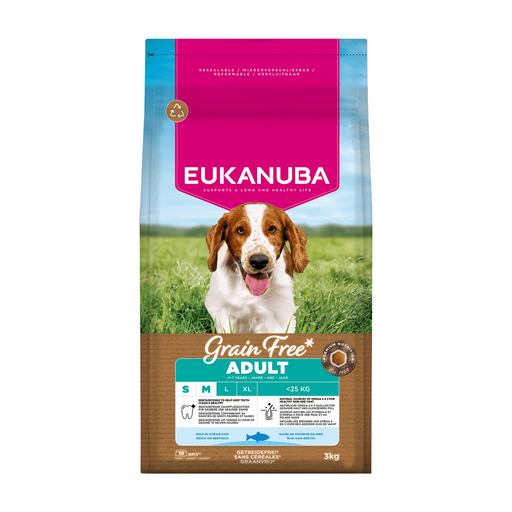
Why This Fits Their Persona: This food is developed as a low-allergen recipe, free from both grains and chicken. This makes it a suitable choice for adult dogs that react sensitively to these common ingredients.
Tackles the 'grain-free myth' by offering a thoughtful alternative. The grains are replaced with sweet potato and peas, which provide natural fibres and vitamins.
Uses ocean fish as its primary animal protein source. The addition of prebiotics (FOS) and beet pulp supports healthy digestion.
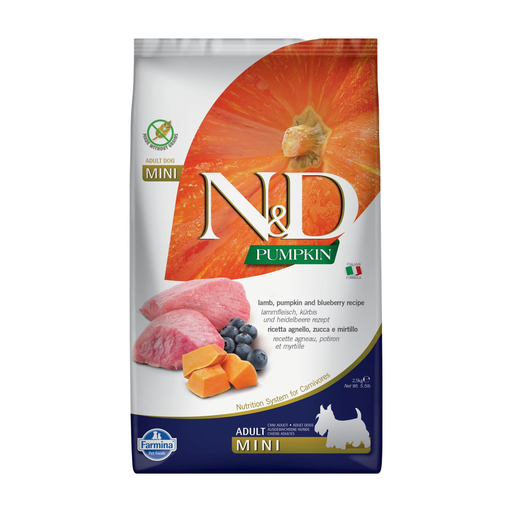
Why This Fits Their Persona: For the owner who meticulously studies the ingredients list. This formula has a high percentage of animal protein (according to Farmina, 96% of the total protein is of animal origin) with fresh and dried lamb as the main ingredients.
This food avoids the 'superfood' marketing trap. Although it contains pumpkin and blueberry, the focus is clearly on the foundation: a very high proportion of quality lamb (42% of the total formula).
Grain-free formula with a high protein content (28%). Contains glucosamine and chondroitin sulfate for joint support, which is a plus for active small dogs.
We have compiled a complete, up-to-date list of products that meet these selection criteria and current regulations.
A sudden change in food can cause gastrointestinal upset. A gradual transition is recommended. Over a period of 7 to 10 days, mix increasing amounts of the new food with the old food. For example, start with 25% new food and 75% old food, and increase this every few days until you have fully switched over.
The required amount depends on the weight, age, activity level, and the specific food you are providing. Every package includes a feeding guide as a guideline. Monitor your dog's condition and adjust the amount if necessary. When in doubt, it is always wise to consult your veterinarian.
Yes, small breed dog snacks specifically designed for dental care can help. Chewing on products like the Rosewood Chewy Sticks can help reduce plaque. According to Pedigree, their Dentastix can reduce tartar formation by up to 80% with daily use. View these snacks as a supplement to, not a replacement for, good kibble and periodic dental check-ups by a veterinarian.
