Choose an automatic pasta maker if you want it to handle the mixing, kneading and extruding; Philips specifically mentions beetroot juice for the HR2345/19. A motorised roller is a better fit if you prefer to make the beetroot dough yourself and want to control the thickness of the pasta sheets; Marcato lists ten settings for the Atlasmotor+. The minimum quantity for a very small batch has not been confirmed for the pasta maker reviewed, so check the details for the exact version.
Who is an electric pasta maker suitable for?
Cooking for one or two
You want to make fresh beetroot pasta without automatically making a large batch, so a practical minimum quantity matters more than the maximum yield. Philips lists a yield for the HR2345/19, but no confirmed minimum batch size.
Convenience-seeking pasta maker
You want to add beetroot juice while a machine mixes, kneads and processes the dough, and you’re happy to clean the removable parts afterwards. Philips mentions beetroot juice for the HR2345/19.
Pasta sheet enthusiast
You prefer to make the coloured dough yourself and want electric help with rolling and cutting, rather than kneading. Marcato and Ariete describe electric rollers with adjustable thickness.
What to look for when making small batches of beetroot pasta
First decide whether you want to automate the whole dough-making process or just the rolling. Then check that the quantity and ingredients are suitable for the machine you’ve chosen.
Automatic mixing and extrusion machine
Choose this if: you want to add beetroot juice and leave the mixing, kneading and extruding to the machine. Philips mentions beetroot juice for the HR2345/19.
The trade-off: Philips lists 450 g as the yield, not the minimum quantity, so check the smallest workable amount for the exact version.
Motorised dough roller
Choose this if: you want to make the beetroot dough yourself and value electric rolling, adjustable thickness and cutting.
The trade-off: The Marcato Atlasmotor+ and Ariete Pastamatic 1593 roll out dough, but kneading remains a separate step. Check which cutters are included with the version you’re buying.
The percentages below show which purchase consideration consumers may prioritise for each row.
| What to consider |
What should you check? |
Who will this matter most to? |
| Small batches |
Check the minimum quantity of flour and the corresponding liquid measure in the instructions for the exact version. Don’t confuse this with the maximum yield. |
If I’m cooking for one or two, I don’t want to end up making a large quantity by mistake. That’s why around 33% of consumers prioritise the smallest workable batch. |
| Beetroot juice and dough preparation |
Check whether beetroot juice is listed for the exact model, and whether the recipe and liquid measure suit the quantity you want to make. |
If you want to use beetroot juice without mixing and kneading the dough yourself, choosing a machine that handles dough preparation is a priority. Around 27% of consumers rank this as their main purchasing consideration. |
| Cleaning |
Check which parts can be removed, what the cleaning instructions are and which shaping discs are included. |
After making a small, colourful batch, I want to know how many parts I’ll need to clean. For around 20% of consumers, cleaning is the top concern. |
| Thickness and pasta shape |
Check whether it’s a roller or an extruder, and which thickness settings and cutters are included with the version. |
If I’m making the dough myself, I want to choose the thickness of the pasta sheets. Around 20% of consumers give this control top priority. |
Common pitfalls
-
Mistaking the maximum yield for the minimum batch size
Philips lists a yield of 450 g for the HR2345/19, but that figure doesn’t tell you the minimum quantity of flour required.
Check the minimum quantities of flour and liquid in the instructions for the exact version before relying on it for a very small batch.
-
Mistaking an electric roller for a machine that also kneads
The Marcato Atlasmotor+ and Ariete Pastamatic 1593 are electric rollers; their motor doesn’t make the dough for you.
First decide whether you want help with rolling only or with the entire dough-making process. Then check which thickness settings and cutters are included.
-
Using beetroot purée or pieces instead of juice without a suitable recipe
Philips mentions beetroot juice for the HR2345/19. This doesn’t confirm that beetroot pieces or purée will work in the same way. Unold’s beetroot recipe also starts with 500 g of flour.
Follow the ingredients and quantities in instructions that are suitable for your chosen model and batch size.
Brands to consider
Philips
Philips describes the Viva HR2345/19 as an automatic machine that mixes, kneads and extrudes pasta.
- Philips lists beetroot juice for this model, along with four classic shaping discs and removable parts.
- The stated yield of 450 g doesn’t confirm the smallest workable batch size.
Marcato
The Atlasmotor+ is a motorised roller for homemade dough.
- Marcato lists an included motor and ten thickness settings.
- The roller doesn’t mix or knead the dough; check which additional accessories are included.
Ariete
The Pastamatic 1593 is an electric dough roller with cutters for pasta sheets and ribbon pasta.
- Ariete lists nine thickness settings and five pasta shapes for model 1593.
- You make the dough yourself; the available information doesn’t confirm a minimum batch size or a tested beetroot recipe for this model.
Unold
The Nudelmeister 68801 is an electric mixing, kneading and extrusion machine. Unold also publishes a recipe for noodles made with beetroot juice.
- Unold describes the machine as dismantlable and lists a mixing bowl for around 500 g of noodle dough.
- The beetroot recipe starts with 500 g of flour, so it doesn’t confirm that a smaller batch will work.
Joybuy product picks
Joybuy product picks related to this topic.
 No image available
Bear Electric Noodle Maker YMJ-K40Z7, 200 g of dough
The product name lists 200 g of dough; check that this quantity is right for the small batch you want to make.
View at Joybuy
 No image available
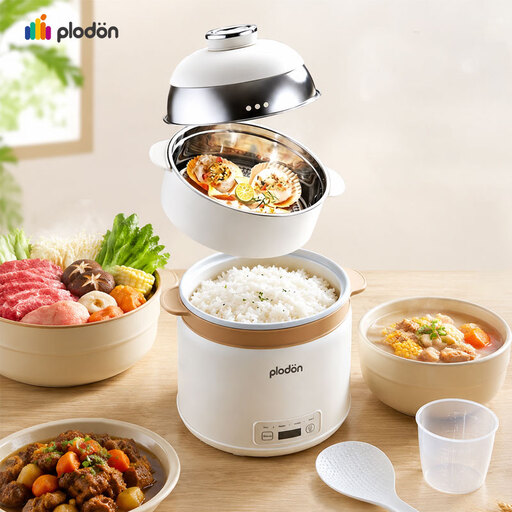
plodon One Touch Multi Cooking Pot, 2.3L
The product name describes a 2.3L multi-purpose cooking pot. Check the specifications for this version before buying, and make sure it has the pasta functions you’re looking for.
According to the product description, the machine must not be immersed in water.
View at Joybuy
 No image available
Philips Viva Collection HR2345/19 automatic pasta maker
For anyone who wants to use beetroot juice and leave the mixing, kneading and extruding to the machine; Philips mentions beetroot juice for the HR2345/19.
Philips lists four classic shaping discs and removable parts. The stated yield is 450 g in 18 minutes, not a confirmed minimum batch size.
View at Joybuy
Frequently asked questions
Can I add beetroot pieces or purée instead of juice?
This hasn’t been confirmed for the Philips HR2345/19: Philips lists beetroot juice for this model. Only use beetroot pieces or purée if the instructions for your exact machine allow it.
Do I need to make the dough myself for an electric roller?
Yes. For the Marcato Atlasmotor+ and Ariete Pastamatic 1593 reviewed here, the electric function is for rolling out the dough; preparing it is a separate step.
How should I store leftover pasta after making a small batch?
According to the Voedingscentrum, store cooked pasta leftovers in an airtight container in the fridge for up to two days, after cooling them quickly. This advice doesn’t apply to uncooked fresh beetroot dough; follow your machine’s manual for cleaning instructions.
When buying online in the Netherlands, do I have a cooling-off period, and must a pasta maker have a CE mark?
According to the Rijksoverheid, many purchases made online from a business come with a 14-day cooling-off period; check the terms of the specific purchase. The NVWA states that CE marking is mandatory for electrical products sold on the Dutch market. This general requirement doesn’t confirm that an individual product for sale carries the mark.


