
Vandaag of morgen in huis

Kwaliteit gegarandeerd

Welkomstaanbiedingen ontgrendelen: GRATIS bezorging | Tot 80% korting | Gratis 30 dagen JoyPlus-proefperiode
Download de app
A slow juicer seems like a simple purchase, until you find your new gadget sitting unused in a cupboard after just a few weeks. The market is flooded with models that promise the world but often disappoint in practice. Many people fall into the same traps: they buy a device that's too loud, a nightmare to clean, or simply doesn't deliver the promised results. Before you invest, it's wise to know what to look for to avoid buyer's remorse.
The most common pitfalls are:
To find a model that fits your lifestyle, it's important to look beyond the marketing buzzwords. Focus on the specifications that truly matter.
This is the most important distinction. The technology determines the quality of your juice.
The parts that come into contact with your food must be safe. Specifically, look for the BPA-free label. BPA (Bisphenol A) is a chemical used in some plastics that you'd rather not have in your fresh juice. A BPA-free juicer guarantees that the materials of the auger, sieve, and juice jug are safe for food contact.
A good slow juicer is designed for daily use.
Not every juicer is right for everyone. We've matched some popular choices to different user profiles based on their specifications.

Why This Fits Their Persona: Ideal for those who are serious about juicing with a true professional slow juicer. This machine is designed for high juice yield and nutrient retention from both soft fruits and hard vegetables.
This model addresses the three main pitfalls: it's a cold press juicer (no heat), is designed for easy cleaning, and operates at a noise level below 72 dB, which is relatively quiet.
The 150W motor is optimised for slow pressing. The materials are BPA-free, and the wide feed chute reduces prep time.
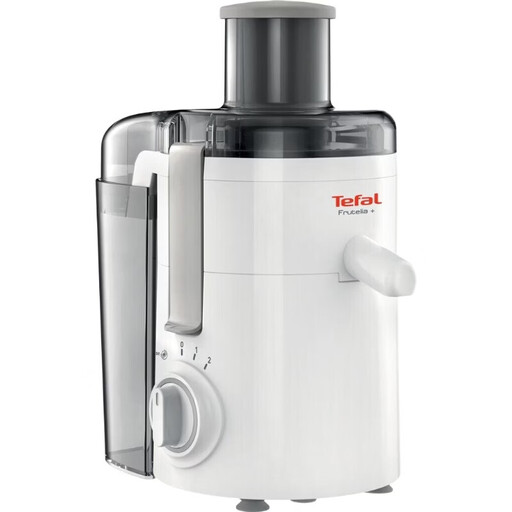
Why This Fits Their Persona: For those who want to start juicing without breaking the bank. This centrifugal juicer is fast, efficient for hard fruits like apples and pears, and very user-friendly.
While it's not a quiet slow juicer, this model tackles the cleaning pitfall. The removable parts are dishwasher-safe, which significantly simplifies cleanup for a beginner.
The 60 mm wide feed chute means less pre-cutting. The two speeds and pulse function provide control over the juicing process for different types of fruit.
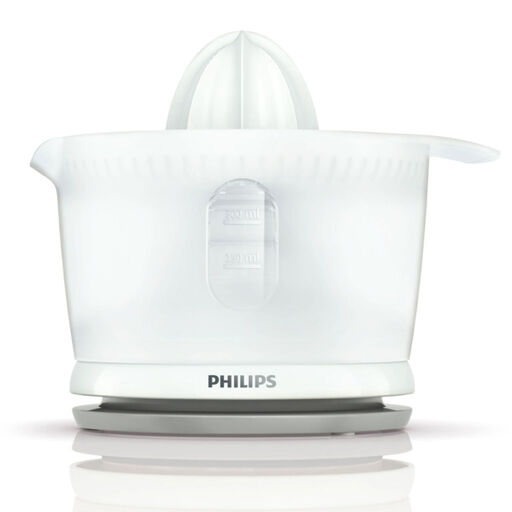
Why This Fits Their Persona: Perfect for anyone who wants a fresh glass of orange or lemon juice every morning, quickly and without hassle. Not a complex machine, but a compact and dedicated appliance.
This model completely bypasses the cleaning and noise pitfalls. It has minimal parts that are all dishwasher-safe and is extremely quiet in operation. Its compact size prevents it from cluttering your countertop.
The compact design with integrated cord storage is ideal for smaller kitchens. The drip-stop feature ensures a clean countertop, and the 500 ml juice jug is large enough for 1-2 people.
We have compiled a complete, up-to-date list of products that fully meet these strict selection criteria and safety standards.
The golden rule is: clean it immediately after use. Rinse the parts under the tap to prevent pulp and sugars from caking on. Most modern slow juicers have dishwasher-safe parts, but always check the manual. Use the included brush to thoroughly clean the sieve. For a deep clean, you can soak the parts in warm, soapy water once a week.
Juice from a slow juicer is often thicker, more uniform, and has less foam. Because less oxygen is incorporated into the juice, it oxidises more slowly, and you can store it (sealed in the refrigerator) for a bit longer. Juice from a centrifugal juicer is usually thinner and separates more quickly into a watery layer and a foam layer. It is recommended to drink this immediately.
Most slow juicers are designed to process both hard and soft ingredients. For hard vegetables like carrots, beets, or ginger, it is advisable to cut them into smaller pieces. This reduces the strain on the motor and the auger, which extends the life of the appliance. Check the manufacturer's specifications; a professional slow juicer often has a more powerful motor and auger that are better suited for frequent use with hard vegetables.
