What should you look for?
First work out how much stew you’ll make, then consider how it fits into your workshop schedule and how you’ll serve it safely. FoodSafety.gov advises not filling a slow cooker more than two-thirds full; also check the filling instructions for the model you choose.
| What to consider |
What to check |
Who should pay particular attention? |
| Capacity for your recipe |
Compare the volume of the full recipe with the filling instructions for the exact model. |
If I’m cooking for several participants, I want to know whether the whole stew will fit in one batch without overfilling the pot. Around 33% of consumers put having enough capacity for their recipe first. |
| Cooking schedule |
Compare the recipe’s cooking time with your workshop schedule and check exactly what the timer controls. Don’t delay starting the cooking when using raw meat. |
If I have a set serving time, I want to make sure the cooking starts in good time; a timer doesn’t change the cooking time. Around 27% of consumers prioritise a manageable schedule. |
| Safe cooking and serving |
Measure the temperature of the food itself and check which food safety rules apply to your workshop. |
If the stew needs to wait after cooking, I want to be able to check the food’s temperature rather than rely on an indicator light or setting name. Around 20% of consumers prioritise safe serving. |
| Browning and cleaning up |
Check which hobs the inner pot can be used on and which parts are dishwasher-safe. |
If I want to demonstrate browning and then clean up quickly, I’m looking for a pot that suits my hob and cleaning routine. Around 20% of consumers prioritise browning and cleaning up. |
Slow cookers and multi-cookers for venison stew
This Joybuy selection includes slow cookers and multi-cookers for venison stew, from scheduled slow cooking to larger batches or an alternative pressure-cooking function.
 No image available
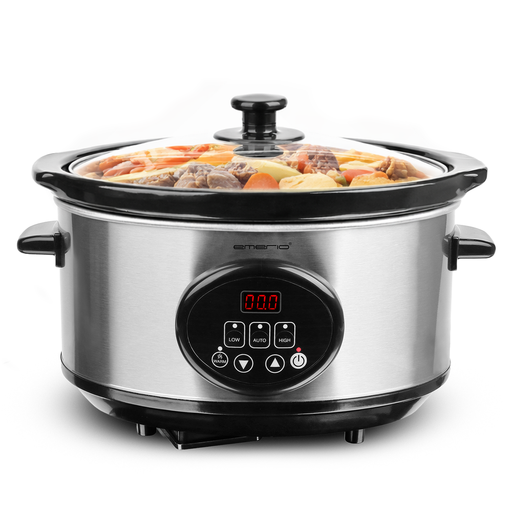
Emerio SC-129406 digital slow cooker, 3.5 litres
The digital timer can help you plan the cooking around a scheduled workshop session.
Capacity: 3.5 litres. The product description lists a ceramic pot, timer, digital display and automatic switch to keep-warm mode. Check the temperature of the food itself.
View at Joybuy
 No image available
Instant Pot Superior 7.1L 4-in-1 Slow Cooker
The stated capacity may be useful for a larger batch; the product description also mentions searing in the appliance before slow cooking.
Capacity: 7.1 litres; the description lists up to 10 portions and slow-cooking, sautéing and steaming functions. According to the product description, the inner pot isn’t suitable for use on a hob, including induction, or in an oven.
View at Joybuy
 No image available
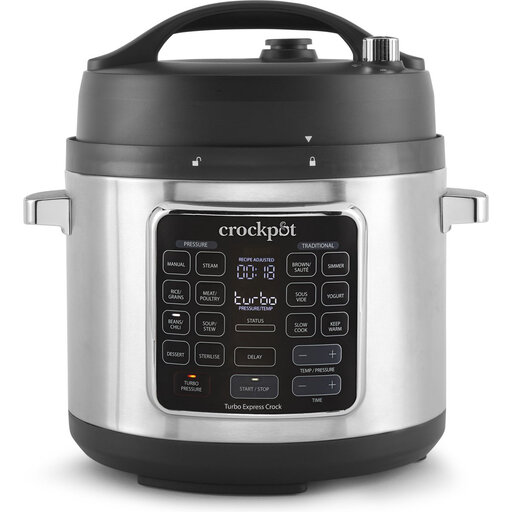
CrockPot CSC062X slow cooker, 5.6 litres
The product description lists both slow cooking and pressure cooking, so you can choose a method to suit your schedule.
Capacity: 5.6 litres; the description lists more than 7 portions, a timer and a slow-cook function. Don’t delay starting the cooking when using raw ingredients. When pressure cooking, follow the instructions and don’t open the lid while the float valve is raised.
View at Joybuy
 No image available
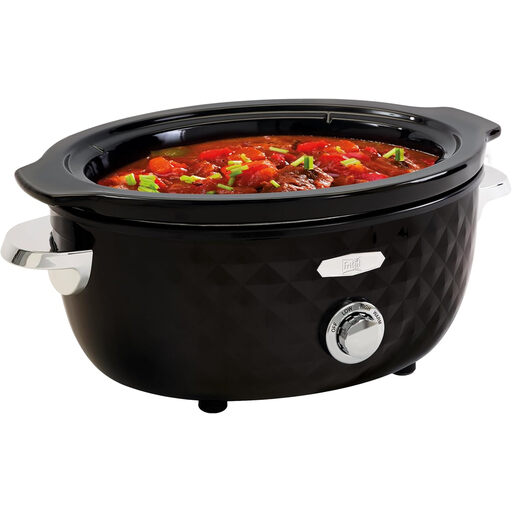
Fritel SC 2290 slow cooker, 5.5 litres
The stated capacity may suit a larger batch; compare it with your recipe and the filling instructions before planning to use a single pot.
The product information lists 4 to 8 people and approximately 3–5 hours on High or 6–10 hours on Low. The pot and glass lid are described as dishwasher-safe. The keep-warm setting is listed as 28–48 °C; for commercial hot holding, the NVWA specifies a minimum of 60 °C.
View at Joybuy
 No image available
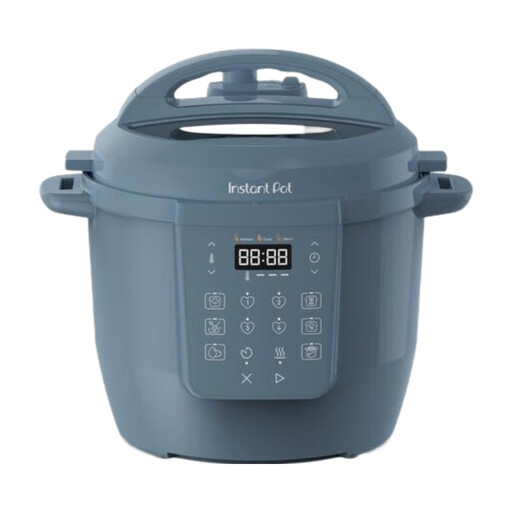
Instant Pot Classic 5.7L 7-in-1, Daydream Blue
According to the product description, this model offers slow cooking, pressure cooking and sautéing, so you can choose a method to suit the length of your workshop.
Capacity: 5.7 litres; the description lists up to 6 portions. When pressure cooking, follow the stated fill limit and only open the lid once the pressure has been released and the float valve has dropped.
View at Joybuy
Frequently asked questions
Can you put frozen venison straight into a slow cooker?
No. Thaw the meat safely first, preferably covered in the fridge. FoodSafety.gov advises thawing meat before using it in a slow cooker and starting to cook as soon as you’ve prepared it. Don’t delay starting the cooking when using raw meat.
Can you use a removable inner pot on an induction hob to brown meat?
Only if this is confirmed for the exact model. Russell Hobbs says the searing pot for model 22740-56 can be used on a gas or electric hob, but not an induction hob. Check the instructions before using an inner pot on a hob.
How should you store leftover venison stew after the workshop?
According to the Netherlands Nutrition Centre, cool leftovers within two hours, store them covered in the fridge and eat them within two days. Reheat leftovers thoroughly until piping hot. If you’re preparing food commercially, applicable HACCP rules may also apply.
Does a cookery workshop organiser need to register and follow HACCP rules?
It depends on how the workshop is run. If the organiser operates as a food business supplying food to consumers, the NVWA says they must register and work with an HACCP food safety plan or an applicable hygiene code. Calling it a cookery workshop doesn’t, on its own, make clear whether this applies.
Do you need to tell participants about allergens in the stew?
If a food business supplies unpackaged food to consumers, the NVWA requires allergen information. If this applies, check all the recipe ingredients, including stock and thickening agents. Whether this requirement applies depends on how the workshop is run.


