Match the capacity of the pot to the measured quantity of chicken and other ingredients, and plan the cooking well ahead of serving time. A Crock-Pot recipe gives an approximate cooking time of 6–7 hours on LOW or 3–3.5 hours on HIGH for that specific preparation. A timer can help you plan, but it does not confirm that the chicken is cooked through or being kept at a safe temperature. A simple slow cooker may be enough for a small batch, while a multicooker is worth considering if you also want to use other cooking methods.
Who is this relevant to?
Workshop host preparing food for a group
You want to make one batch of pulled chicken for several participants, so you need to match the ingredient quantities, usable pot capacity and serving time. Russell Hobbs and Tefal’s specifications show why the capacity of the exact model matters; the stated portion counts are not a guide for every recipe.
Workshop host with a tight schedule
You want the food to cook while participants work on other activities, so you’ll need to consider a timer, checking that the chicken is cooked through and a plan for serving. The Crock-Pot recipe gives an estimated cooking time of several hours for its specific preparation.
Cook using a variety of workshop recipes
You want to use the appliance for other cooking methods too, so you’re comparing a standard slow cooker with a multicooker. Instant Pot and Tefal list other cooking functions alongside slow cooking for the models mentioned.
What should you look for when buying?
Start by working out how much you want to cook, then set the start and serving times. Only then decide between a simple slow cooker and a multicooker. The cooking times in the Crock-Pot recipe apply to the preparation described and are not guaranteed for every quantity or appliance.
| What to consider |
What to look for when buying |
Who is this important for? |
| Usable capacity |
Weigh the total ingredients and check the fill guidance for the exact model. For a multicooker, compare the usable capacity with the total bowl capacity too. |
When I’m cooking for a group, I want to know whether the chicken, sauce and other ingredients will all fit in the pot. Around 33% of consumers prioritise a suitable batch capacity. |
| Cooking time and planning |
Compare the recipe time with your workshop schedule, and check whether the model has a timer and automatically switches to keep-warm mode. |
If I want the chicken to cook while other workshop activities are taking place, I need to plan both the start time and the intended serving time. Around 27% of consumers choose planning as their main consideration. |
| Cooking through and serving |
Plan how you’ll check that the food is thoroughly cooked, and how you’ll store and serve it. A keep-warm setting alone does not check whether food is cooked through or kept at a safe temperature. |
When I’m cooking raw chicken and serving it to participants, I want to be able to check the cooking and storage separately. Around 27% of consumers focus on monitoring cooking and serving. |
| Other cooking functions |
Check which functions the exact model has and whether its usable capacity is suitable for your workshop batch. |
If I want to use the same appliance for other recipes too, I compare slow cooking with functions such as sautéing or pressure cooking. Around 13% of consumers prioritise multifunctional use. |
Common pitfalls
-
Assuming the total bowl capacity is all usable for your batch
According to Tefal, the CY505EF0 has a bowl capacity of 6 L and a usable capacity of 3.8 L. A stated serving count also won’t tell you whether your quantity of chicken and sauce will fit.
Weigh the ingredients and check the fill guidance for the exact model before buying.
If the batch doesn’t fit, you may need to cook it in a second round or use another pot.
-
Treating a timer or keep-warm setting as proof that food is safe
A timer controls a cooking cycle, but it doesn’t confirm that chicken is cooked through. For activities covered by food business regulations, the NVWA checklist also includes temperature and hygiene checks for storage and serving.
Plan separately how you’ll check that the chicken is cooked through and, where applicable, follow the hygiene code or food safety plan for your activity.
-
Comparing pressure cooking and slow cooking as if they were the same workshop method
The times in the Crock-Pot recipe are for the slow-cooking method described and do not automatically apply to a pressure-cooking programme.
Choose your cooking method before setting your schedule, and follow the recipe and instructions for that function.
-
Confusing an extended warranty with your statutory rights
The Dutch government distinguishes between statutory protection for a faulty product and an extended warranty. An extended warranty is not the same as your statutory right to a product that is fit for purpose.
Check what additional cover and terms an extended warranty offers before taking one out.
Brands to consider
Tristar
The VS-3915 is a simple option for a smaller demonstration batch.
- Tristar lists a removable 3.5 L ceramic pot, two heat settings and a keep-warm setting for this model. The manufacturer states that it serves up to four people.
- According to Tristar, this model does not have a timer. Match your batch quantity to your recipe; the stated serving count is no guarantee that it will fit.
Crock-Pot
The 5.7 L CR605 is an option if you want a programmable cooking cycle.
- IT&M lists a digital timer and an automatic switch to keep-warm mode for the CR605.
- These functions do not check whether chicken is cooked through or being kept at a safe temperature. The Crock-Pot recipe gives timings only for its own ingredients and method.
Russell Hobbs
The MaxiCook 22750-56 is an option if browning ingredients in the inner pot is part of your workshop.
- According to Russell Hobbs, the aluminium inner pot can be used on a hob. The brand also lists digital time control for this 6 L model.
- Check the instructions to make sure the pot is suitable for the hob you use. The manufacturer’s claim that it serves up to eight people doesn’t tell you how much of your pulled chicken recipe will fit.
Instant Pot
The 5.7 L Duo is a multicooker for anyone who wants to use other cooking functions as well as slow cooking.
- Instant Pot Netherlands lists slow cooking, sautéing and pressure cooking among the functions of this model.
- Pressure cooking is a different method from the slow-cooking preparation in the recipe mentioned, so don’t use its timings for this function without checking first.
Tefal
According to Tefal, the CY505EF0 combines a slow-cook programme with other multicooker functions.
- Tefal lists a bowl capacity of 6 L and a usable capacity of 3.8 L for the CY505EF0.
- Check the usable capacity against your own batch. Specifications for another CY505E model do not automatically apply to the CY505EF0.
Slow cookers and multicookers on Joybuy
These product picks are aimed at slow cooking pulled chicken, with a focus on batch size, timing and the option to use other cooking functions.
 No image available
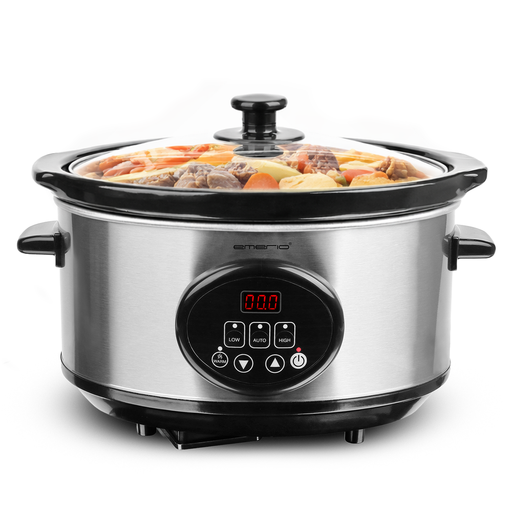
Emerio SC-129406 slow cooker, 3.5 L
An option if you want to set a slow-cooking cycle while other workshop activities are under way.
The product title lists a digital display and keep-warm function.
View on Joybuy
 No image available
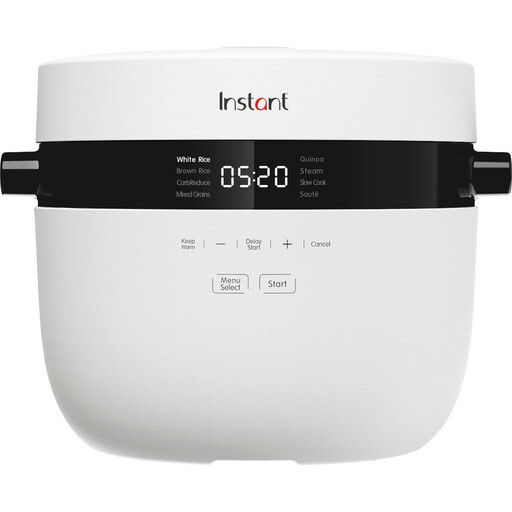
Instant Pot 5L 8-in-1 Rice & Grain Cooker, Steamer, Slow Cooker, CarbReduce
A multicooker option if you want to use other cooking methods as well as slow cooking.
The product title lists a 5 L capacity and functions for rice and grains, steaming and slow cooking.
View on Joybuy
 No image available
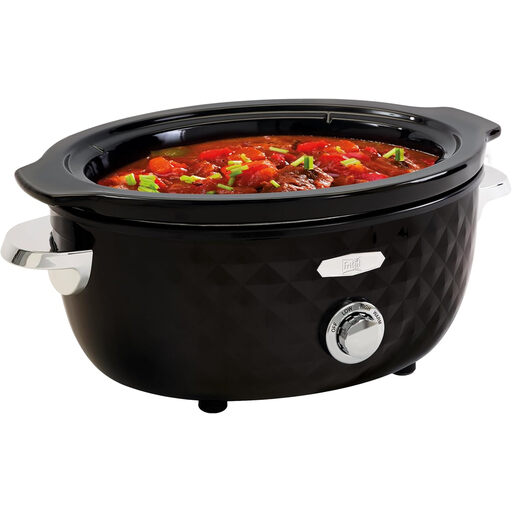
Fritel Slow Cooker SC 2290, 5.5 L
A slow cooker option if you want to plan a larger batch; match the quantity to the pot and its fill guidance.
The product title lists a ceramic pot, 210 W, four heat settings and a stated capacity of 4 to 8 people. The description warns against placing the hot ceramic pot directly on a cold surface or in the fridge.
View on Joybuy
 No image available
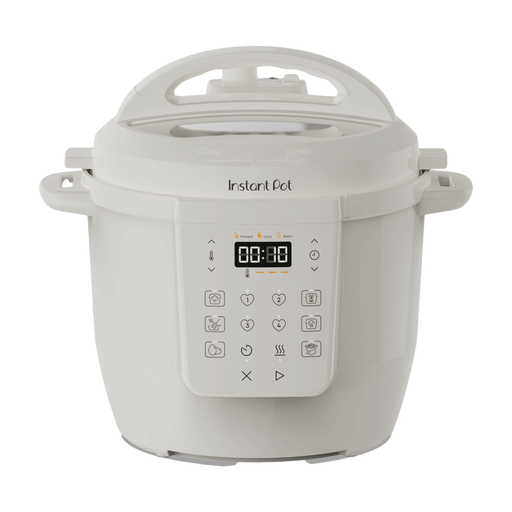
Instant Pot Classic 5.7L 7-in-1, Sea Salt White
A multicooker option if you want to combine slow cooking with other cooking methods.
The product title lists a 5.7 L capacity and functions for pressure cooking, slow cooking and steaming.
View on Joybuy
 No image available
Midea 9-in-1 multicooker, 7.6 L
A multicooker option if you want to combine slow cooking with other methods and a pre-planned start.
The product title lists 12 preset programmes, a non-stick pot and functions for slow cooking, steaming and stir-frying.
View on Joybuy
Frequently asked questions
Can you start cooking raw chicken only when the workshop begins?
That depends on the length of the workshop and the recipe you choose. The Crock-Pot recipe consulted, which uses 1 kg of chicken breast, gives an approximate cooking time of 6–7 hours on LOW or 3–3.5 hours on HIGH, until the meat is tender, followed by a step to heat the sauce. Use these timings only to plan that specific preparation; they don’t guarantee that every quantity or model will be ready at that point.
Can you put frozen chicken straight into a slow cooker?
Thaw frozen chicken safely before adding it to the slow cooker. FoodSafety.gov advises thawing poultry before using a slow cooker and says not to thaw it on the worktop. Keep raw chicken separate from cooked food during the workshop.
Can you leave cooked pulled chicken on the keep-warm setting until serving?
Don’t judge this solely by whether the appliance has a keep-warm setting. If the workshop falls under food business regulations, the NVWA checklist says hot food should be kept above 60 °C and includes temperature checks; follow the applicable hygiene code or food safety plan. In any case, cook chicken thoroughly, as advised by the Netherlands Nutrition Centre.
How should you store leftover pulled chicken?
The Netherlands Nutrition Centre advises cooling leftovers quickly and storing them covered in the fridge at 4 °C for up to two days, or freezing them. Don’t leave perishable food out of the fridge for more than two hours. Divide a large batch into smaller portions to help it cool.
Do you need a hygiene code for a cookery workshop in the Netherlands?
That depends on how the workshop is organised. If you run a food business that prepares, processes or sells food, the NVWA says you must work with an HACCP food safety plan or an applicable hygiene code. The NVWA also sets out rules for private individuals who sell food occasionally. Check which rules apply to your activity before following them.


