
Cooking for a large group
Wants to make one batch of leek soup for lots of guests and chooses mainly based on suitable pot capacity and how many batches will be needed.


First, work out how much soup you want to serve, then compare the recipe volume with the cooker’s maximum fill level. The stated capacity doesn’t automatically tell you how many portions it will make. A large, standalone slow cooker suits anyone who wants to prepare one big batch, while a multicooker with a sauté function may appeal if you want to soften the leeks in the same appliance. Plan when you’ll serve the soup, and make separate arrangements for transport and any leftovers: a keep-warm setting is no substitute for a storage plan.
Wants to make one batch of leek soup for lots of guests and chooses mainly based on suitable pot capacity and how many batches will be needed.
Prepares in advance and wants controls that help time the cooking for the agreed serving time, without mistaking keeping food warm for safe storage.
Wants to soften the leeks, cook the soup and then serve or tidy up, so compares the pot and the functions available.
Start with the recipe volume and maximum fill level. Then compare the timer and cooking functions with the way you plan to cook and serve.
| What to consider | What should you check? | Who is this important for? |
|---|---|---|
| Usable pot capacity | Work out the recipe volume based on the number of guests and portions, then check the model’s maximum fill level. | If I want to make one big batch for the group, usable capacity comes first; around 36% of consumers say pot capacity is their top buying priority. |
| Serving time | Compare the timer, cooking settings and any switch to keep-warm mode, then decide when to start cooking. | If I want to serve at an agreed time, I focus on planning the cooking; around 29% of consumers give timing top priority. |
| Softening the leeks | Check whether the model has a sauté function and how the manufacturer says to use it. | If I want to soften the leeks in the same appliance before slow cooking, that combination is what matters most to me; around 21% of consumers prioritise preparing food in one appliance. |
| Serving and clearing up | Check how to move the filled pot, what the cleaning instructions say and how you might transport the soup separately. | If I need to move and serve the soup, then clear up afterwards, I want to be able to do so practically; around 14% of consumers say handling and cleaning up are their top buying priority. |
The actual amount depends on your recipe and the maximum fill level. So a pot that looks spacious on paper may not be big enough for your meal.
Work out the recipe volume for your guests and check the fill instructions for the exact model.
If one batch isn’t enough, making a second could mean more cooking time and washing up.
An appliance function doesn’t tell you how to transport, cool or store soup after cooking.
Plan these steps separately and follow the appropriate storage advice for soup you’re transporting or have left over.
For the Instant Superior, the manufacturer warns that the removed inner pot must not be used on a hob or in an oven.
Check the manual for the exact model and use only the recommended method for sautéing.
The CSC063X is a standalone slow cooker to compare if you want to make one larger batch of soup.
According to Instant Pot Netherlands, the Instant Superior 4-in-1 combines slow cooking with functions including sautéing.
Tristar describes the VS-3920 as a digital slow cooker with a 4,5 L ceramic pot.
The Tefal CY505E is a multicooker with separate programmes for functions including slow cooking and pressure cooking.
This selection includes slow cookers and multicookers with a slow-cook function for soup. Compare their capacity, programmes and preparation options with your own recipe and serving plan.
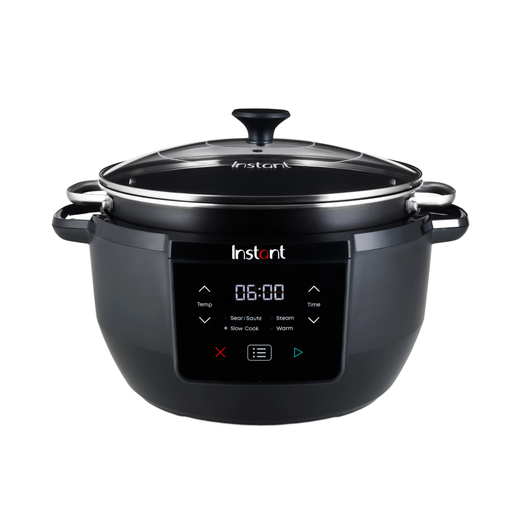 No image available
Suited to anyone who wants to soften the leeks in the same appliance before slow cooking.
Capacity: 7,1 L; the product title states 10 portions. The description mentions adjustable time and temperature settings, plus a keep-warm function.
The product warning says the removed inner pot must not be used on a hob or in an oven.
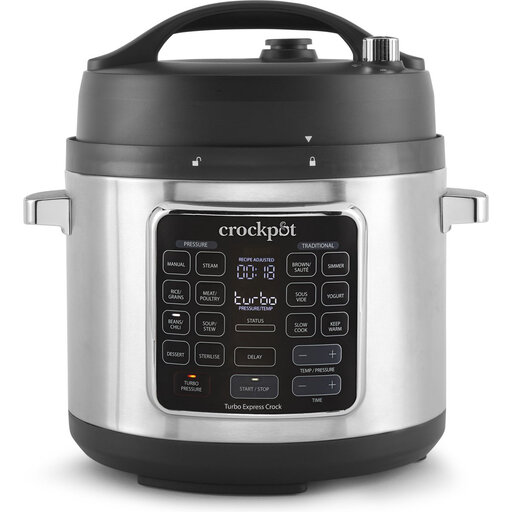 No image available
An option to compare if you want to combine a slow-cook function with other cooking programmes.
Capacity: 5,6 L; the product description mentions a timer, delayed start, keep-warm function and a dishwasher-safe inner pot.
When pressure cooking, follow the manual and don’t force the lid while the float valve is raised.
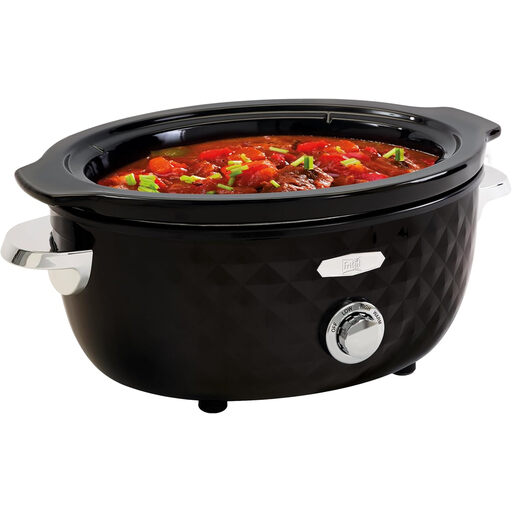 No image available
Suited to anyone comparing a standalone slow cooker with a keep-warm setting for a meal with several guests.
The product title states 5,5 L, 4 to 8 people and four heat settings.
The ceramic pot and outer casing get hot, so use oven gloves. Don’t put a hot pot straight into the fridge or under cold water.
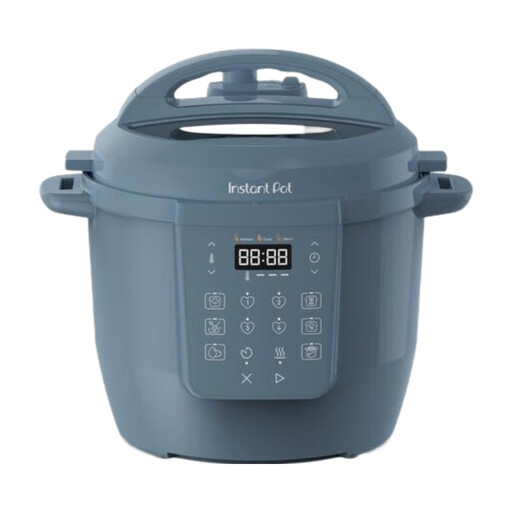 No image available
A multicooker to compare if you want slow cooking and other cooking functions in one appliance.
Capacity: 5,7 L. The product description mentions slow cooking, sautéing, steaming, a delayed start and a keep-warm function.
When pressure cooking, don’t force the lid while the float valve is raised; keep your hands and face away from the steam outlet.
 No image available
Worth comparing if you want to combine slow cooking with other cooking programmes and plan your cooking in advance.
The product description mentions a 24-hour delayed start and automatic keep-warm function.
Follow the maximum fill mark and don’t force the lid while the appliance is under pressure.
First, work out the recipe volume based on the number of guests and portion size. Compare this with the maximum fill level for the exact model: the stated capacity or number of portions doesn’t automatically equal the usable amount of soup you can make.
The product information describes softening the leeks using the appliance’s sauté function. Instant Pot warns that the removed inner pot must not be used on a hob or in an oven, so use the appliance’s designated function for sautéing.
The Voedingscentrum advises cooling the soup quickly and covering it before putting it in the fridge within 2 hours; it recommends keeping leftovers in the fridge for no more than 2 days. Reheat any leftovers you plan to eat until piping hot throughout.
This depends, among other things, on how the meal is organised. The NVWA has requirements covering activities such as selling food from home and catering; check the rules if you’re selling soup or acting as a caterer. Don’t assume the same requirements automatically apply to a private, non-commercial meal.