What should you look for when choosing?
For a lamb stew workshop, your main considerations are batch size, serving time, demonstrating the process and cleaning up afterwards.
| What to consider |
What to look for |
Who should prioritise this? |
| Capacity and portions |
Work out the quantities of meat, vegetables and liquid, then check the filling instructions for the exact model. |
If you want to cook one batch for a larger group, making sure there is room for all the ingredients is crucial. Around 33% of consumers prioritise batch size. |
| Cooking time and serving |
Check whether the model has a timer, what the timer controls and whether the cooking time fits your workshop schedule. |
If the stew needs to be on the table at a set time, you will want to be able to plan the cooking in advance. Around 27% of consumers prioritise serving time. |
| Visibility and controls |
Check the lid and controls, and plan demonstrations that do not involve opening the pot unnecessarily. |
If you want to explain the process while the food is cooking, being able to see inside the pot makes it easier to talk through what is happening. Around 20% of consumers prioritise demonstrating the process. |
| Removing the pot and cleaning |
Check which parts can be removed and which are dishwasher-safe according to the instructions. |
If you want to clean the cooker after use ready for your next workshop, check the cleaning instructions and whether the pot can be removed. Around 20% of consumers prioritise tidying up and reusing the appliance. |
Slow cookers at Joybuy
This Joybuy selection includes slow cookers for smaller and larger batches, including models with a keep-warm function or additional cooking features.
 No image available
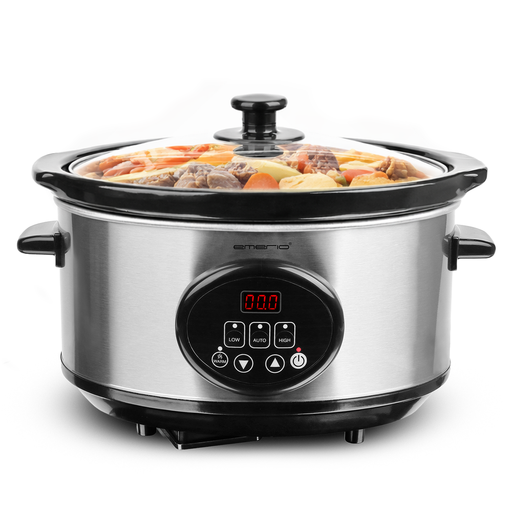
Emerio SC-129406 slow cooker, 3.5 litres, digital display, keep-warm function, black
An option to consider if your batch fits within the instructions for a 3.5-litre pot.
The product name mentions a digital display and keep-warm function. Make sure the appliance is supervised while cooking: the instructions say it must not be left unattended.
Joybuy
 No image available
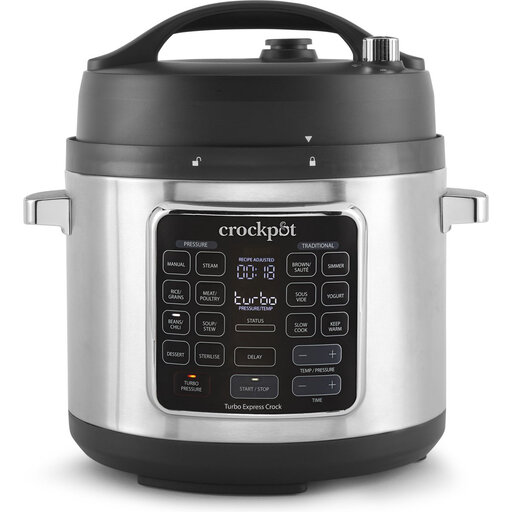
CrockPot CSC062X slow cooker, 5.6 litres, 3 settings, BPA-free
Consider this model if you are looking for a larger pot and its stated 5.6-litre capacity suits your batch.
The product name lists three settings and a BPA-free design. Check the instructions for the model’s filling limits.
Joybuy
 No image available
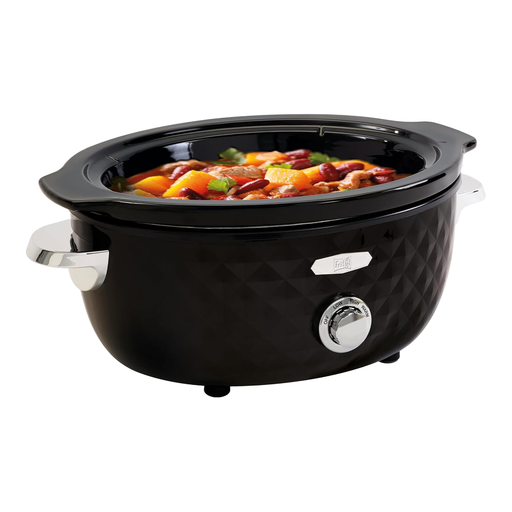
Fritel SC 2090 slow cooker, 3.3 litres, ceramic pot, 4 heat settings
The product name states a capacity of 3.3 litres and says it serves 1 to 4 people; compare this with the quantities in your workshop recipe.
The product name also lists a power rating of 150 W and a ceramic pot.
Joybuy
 No image available
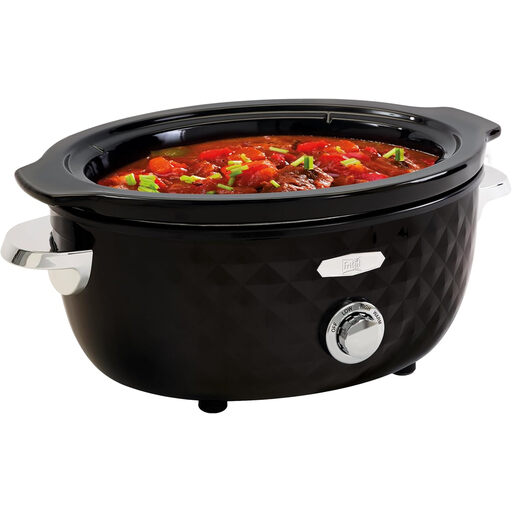
Fritel SC 2290 slow cooker, 5.5 litres, ceramic pot, 4 heat settings
Consider this model if a 5.5-litre pot suits your planned batch; the product description says it serves 4 to 8 people.
The product name lists a power rating of 210 W and a ceramic pot. Fill the pot to no more than three-quarters full, following the instructions, and use oven gloves to handle the hot pot and exterior.
Joybuy
 No image available
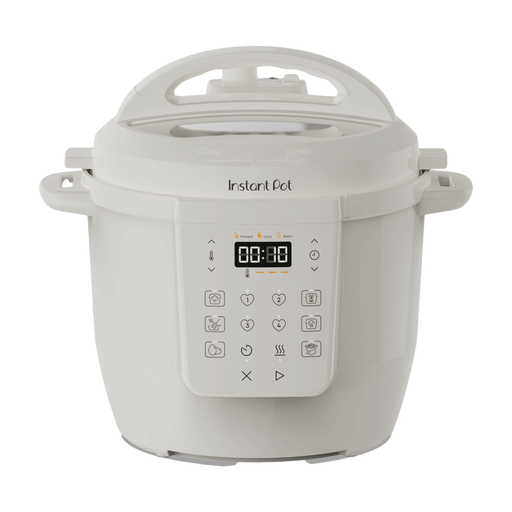
Instant Pot Classic 5.7 litres, 7-in-1, slow cooking and steaming, Sea Salt White
A model to consider if you want to use the steaming function mentioned in the product name as well as slow cooking.
The product name lists a capacity of 5.7 litres and a 7-in-1 design.
Joybuy
Frequently asked questions
Can you put lamb in the slow cooker for hours before the workshop without keeping it chilled?
No. Keep perishable ingredients chilled until you start cooking. The US Department of Agriculture’s Food Safety and Inspection Service advises thawing meat before use and keeping perishable ingredients chilled until you are ready to cook; a slow cooker may take hours to heat up sufficiently.
Is the keep-warm setting enough to serve lamb stew to workshop participants?
Do not rely on the name of the setting alone. For food businesses, the NVWA checklist states that hot food should be kept above 60 °C. When serving food as a business, use a working probe thermometer and follow the relevant hygiene code. This business checklist is not automatically a legal requirement for a private workshop.
How should you store leftover lamb stew?
According to the Voedingscentrum, cover leftovers and store them separately from raw foods in the fridge within two hours of cooking. Set your fridge to 4 °C and keep cooked meat chilled for no more than two days; businesses must also follow the relevant procedures.
Does a cooking workshop run as a business need a HACCP plan?
If you operate a food business and prepare, process or sell food for people, the NVWA requires you to work with a food safety plan or a relevant hygiene code based on HACCP. Whether this applies to your workshop depends on how it is organised and what activities it involves; the word ‘workshop’ alone does not determine this.
What should you look for in CE marking and the warranty?
The NVWA states that CE marking is required for electrical products in the relevant product category; on its own, it does not prove that a specific model has been independently tested. According to the Dutch government, consumer purchases in the Netherlands come with a legal guarantee, with no fixed statutory time limit. If a product is faulty, the retailer is your point of contact; purchases for a business may be subject to different terms and conditions.


