
Cooking for a large lunch
Wants to make a larger batch of stock and chooses a pot mainly based on the space available for the ingredients and water. Inventum’s product information lists 3.5- and 6-litre models.


Choose the capacity based on how much chicken, veg and water need to fit in the pot together: a straightforward 3.5-litre pot may suit a smaller batch, while a 6-litre model offers more stated capacity. A timer can help you plan cooking around lunchtime, but don’t use a delayed start to leave raw chicken unrefrigerated; defrost it beforehand and cook it straight after defrosting.
Wants to make a larger batch of stock and chooses a pot mainly based on the space available for the ingredients and water. Inventum’s product information lists 3.5- and 6-litre models.
Wants to time cooking for a set lunchtime, so looks for an adjustable cooking time. Keep raw chicken refrigerated until cooking begins; the Netherlands Nutrition Centre advises cooking chicken straight after defrosting.
Makes a more modest batch and weighs straightforward controls and a removable inner pot against extra features. Manufacturers list these features on models from brands including Tristar and Tomado.
Inventum lists the SC350B as having a 3.5-litre capacity and the SC601B as having a 6-litre capacity. The stated pot capacity is not the same as the amount of stock you’ll have left after straining.
| What to consider | What to look for | Who should consider this? |
|---|---|---|
| Capacity and quantity | Work out how much chicken, veg and water need to fit in the pot together, and check the filling instructions. | If I want to make a larger pot of stock, I start by checking there’s room for all the ingredients and water. Around 33% of consumers say pot capacity is their main buying concern. |
| Planning around lunch | Check whether the model has a timer or whether you’ll need to monitor the cooking yourself; don’t leave raw chicken unrefrigerated while you wait. | If I want cooking to fit around a set lunchtime, I look for a timer and plan when to start cooking. Around 27% of consumers prioritise lunchtime timing. |
| Removing and cleaning | Check which parts can be removed and follow the cleaning instructions for the inner pot and housing. | When I make stock, I want to know how to handle and clean the inner pot after straining. Around 20% of consumers say removing and cleaning the pot is their main consideration. |
| Simple controls | Compare the available heat settings and keep-warm function with your cooking plan; a keep-warm setting isn’t a way to store leftovers. | If I only make a smaller batch now and then, I may prefer straightforward manual controls over extra features. Around 20% of consumers prioritise simple controls. |
The stated capacity doesn’t tell you how much stock you’ll have left after straining. If the chicken, veg and water don’t fit within the filling instructions, you may need to cook it in more than one batch.
Compare your recipe with the inner pot and filling instructions before choosing a size.
A timer or delayed start doesn’t keep raw chicken chilled. The USDA Food Safety and Inspection Service advises defrosting meat and poultry beforehand; the Netherlands Nutrition Centre advises cooking chicken straight after defrosting.
Defrost the chicken beforehand and plan cooking so it isn’t left unrefrigerated while you wait.
A timer sets the cooking time, while using a keep-warm setting and chilling leftovers are separate things.
Check the features of the exact model and follow the Netherlands Nutrition Centre’s storage advice for any leftover stock.
The SC350B and SC601B illustrate the choice between 3.5 and 6 litres within this range.
The VS-3915 is a manually operated slow cooker with a 3.5-litre ceramic inner pot.
According to Tomado, the TSC3501B has a 3.5-litre capacity, a dial and a removable ceramic inner pot.
The Chalkboard 24180-56 is a 3.5-litre slow cooker that you can compare in terms of its controls and inner pot.
This selection includes slow cookers in different sizes, as well as a product described in its name as a spice jar set. Check which type you need and whether the stated capacity is suitable for your recipe.
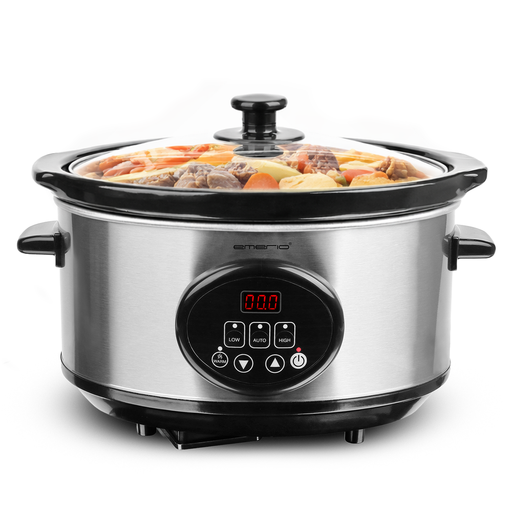 No image available
An option to consider for a smaller batch; check whether the capacity suits the amount of chicken, veg and water in your recipe.
The product name lists a 3.5-litre capacity, a digital display and a keep-warm function.
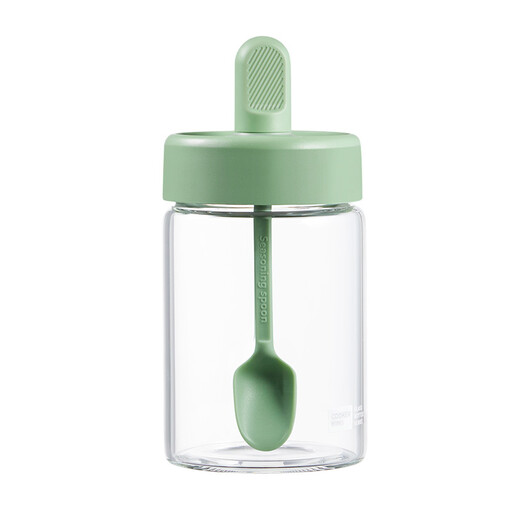 No image available
The product name describes a spice jar set with a spoon and lid. This means it isn’t an alternative to a slow cooker if you’re looking for a pot to make stock in.
 No image available
The stated capacity may suit a smaller batch; check the filling instructions for your recipe.
The product name lists a 2.6-litre capacity, 1000 W and three manual heat settings.
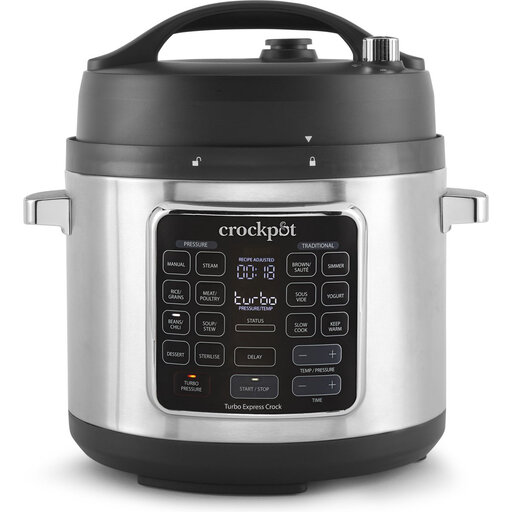 No image available
A larger pot may suit you if you want to cook more ingredients and liquid at once; the pot capacity doesn’t guarantee how much stock you’ll have left after straining.
The product name lists a 5.6-litre capacity and three settings. Check which timer functions the model offers when planning your cooking.
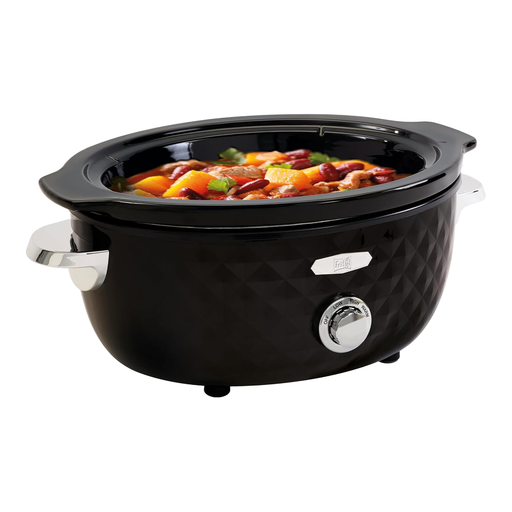 No image available
The stated capacity and description for 1–4 people may help you decide whether it suits a smaller batch; check the filling instructions for your recipe too.
The product name lists a 3.3-litre capacity, 150 W, a ceramic pot and four heat settings.
Defrost chicken before putting it in the slow cooker. The USDA Food Safety and Inspection Service advises defrosting meat and poultry beforehand; the Netherlands Nutrition Centre advises cooking chicken straight after defrosting. So don’t use a delayed start to leave raw chicken unrefrigerated while you wait.
Cool leftovers quickly and put them, covered, in the fridge or freezer within 2 hours. The Netherlands Nutrition Centre recommends a fridge temperature of 4 °C and gives storage times for stock of 2 days in the fridge and 3 months in the freezer. This storage advice doesn’t guarantee that stock is safe if it has been handled incorrectly.
It depends on the model and inner pot. Check the manual for the exact slow cooker, and don’t clean the electrical housing as if it were a removable pot. Tristar gives separate cleaning instructions for the ceramic inner pot and housing of the VS-3915.
According to ACM ConsuWijzer, online product purchases generally come with a statutory cooling-off period of up to 14 days after delivery, subject to legal exceptions. The statutory guarantee also applies if, under normal use, the product doesn’t meet what you could reasonably expect; the retailer is your point of contact for this.