
Vandaag of morgen in huis

Kwaliteit gegarandeerd

Welkomstaanbiedingen ontgrendelen: GRATIS bezorging | Tot 80% korting | Gratis 30 dagen JoyPlus-proefperiode
Download de app
Slippers may seem simple to buy, but small differences in fit, sole and material can determine whether you wear them every day or leave them unused after a few weeks. If you only consider colour or price, you may run into the same problems: a sole that becomes slippery on a wet bathroom floor, a slip-on that feels too loose or material that quickly loses its shape.
Use this practical guide to compare women’s and men’s slippers, unisex slippers, EVA styles, warm slippers for the home and simple slip-ons according to how you plan to wear them. That way, you can make a more informed choice and avoid picking a design that doesn’t suit your everyday needs.
A product may be described as non-slip, but that tells you little without details about the tread. For a bathroom, deep grooves, a textured tread and water drainage matter more than the words “non-slip” alone. Check whether the product description provides information about sole texture, grooves and drainage.
Unisex slippers are practical, but feet vary considerably in length and width. For example, a size 37–38 may be designed for a foot length of 240 mm. So don’t rely only on your usual EU size: measure your foot and compare it with the size chart. If you have wide feet, the shape of the upper is important too.
A soft sole may feel pleasant when you try it on, but comfort also depends on support, stability and how well the slipper holds your foot. A completely flat sole may be suitable for short-term wear, while a slightly shaped footbed or a slip-on with a heel enclosure may provide more support. Comfort claims are not a guarantee that a product will suit everyone, so focus on features you can check.
EVA slippers are lightweight, easy to rinse and often suitable for the bathroom, beach and home. Pay attention to the density and shape of the material. According to the product description, higher density may help the slippers retain their shape, but this can vary by style.
Textile or fleece-lined slippers for the home are a better choice for cold floors. They’re generally less suitable for prolonged contact with water. Leather slip-ons, including some styles by Skechers, have a different look and should be cared for with a damp cloth.
For everyday wear, a textured footbed and tread on the underside are useful features to look for. A non-slip slipper isn’t automatically suitable for every wet surface. Look for:
Always take care when wearing slippers on a wet floor. No sole can make a slippery surface completely risk-free.
If you have wide feet, look for a wide-fit style or a wider instep. A raised toe protects your toes from knocks, but shouldn’t press against them. For bathroom slippers, side openings, drainage channels or a water-draining footbed are practical features. For travel, lightweight slippers and disposable slippers may be more convenient than a bulky pair.
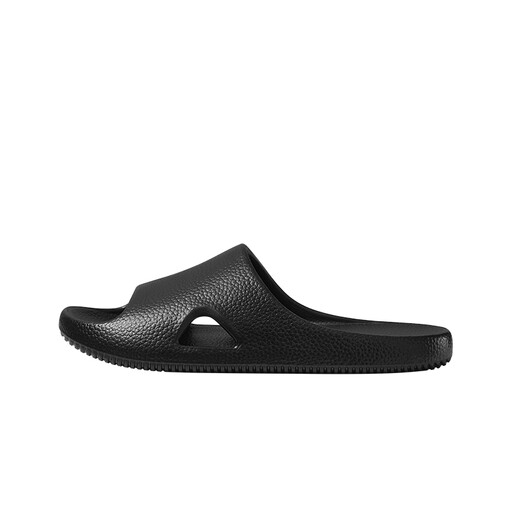
Why it suits this profile: These unisex EVA slippers are easy to slip on and suitable for wearing at home. The black colour goes with a range of loungewear.
The product description specifies a one-piece EVA design, side drainage holes and a size chart based on foot length. This makes it easier to compare options than choosing on looks alone.
Lightweight EVA, arch support according to the product information, and a subtle raised section at the front.
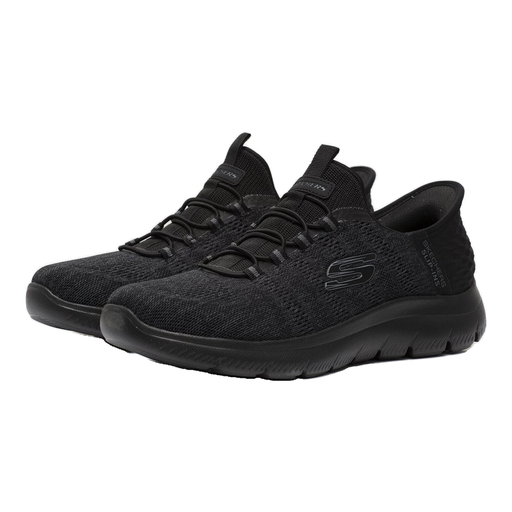
Why it suits this profile: If you’re looking for slip-ons for everyday wear and prefer not to wear open slippers, this closed style has a textile upper.
The product information specifies a regular fit, a fixed insole and a rubber outsole with tread. Do check whether a closed shoe is better suited to your needs than bathroom slippers.
Textile upper, rubber sole and an insole with memory foam, according to the product description.
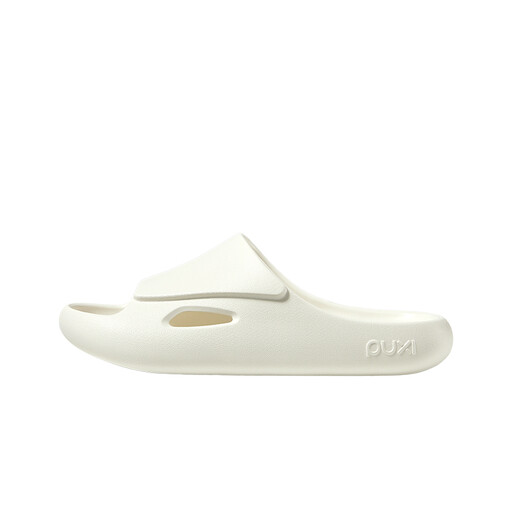
Why it suits this profile: This style is designed for use in the bathroom, spa, swimming pool or other places where water may be on the floor.
The product description mentions drainage channels, a recessed footbed and a sole with a wave pattern and deep grooves. This makes the features relevant to wet floors clearer.
High-density EVA, water drainage through the midsole and a textured outsole, according to the product specifications.
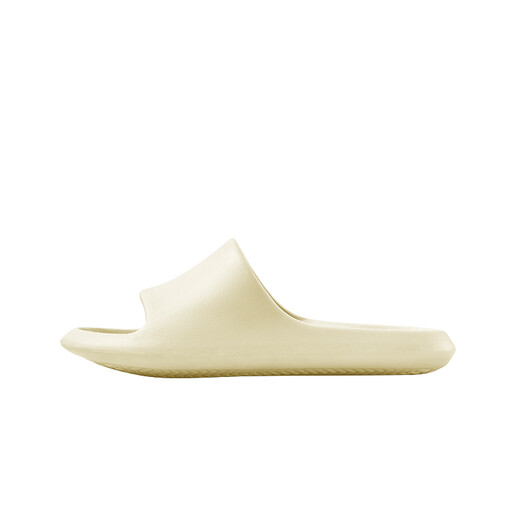
Why it suits this profile: According to the product information, the wide shape is designed for wider or fuller feet. The beige colour works for wearing at home and for short trips outdoors.
The wide-fit shape means you don’t have to rely on a standard fit alone. According to the description, the raised toe helps reduce direct contact with obstacles.
One-piece EVA design, wide footbed, water-resistant structure and light arch support, according to the product details.
We’ve put together a complete, up-to-date list of products that meet these strict selection criteria and the applicable European safety regulations.
Choose a style with a treaded sole, water drainage and a footbed that holds your foot securely. EVA bathroom slippers are practical because you can rinse them off. After wearing them, check that water hasn’t collected in the channels or underneath the footbed.
Measure both feet from the heel to the longest toe and use the larger measurement. Compare this length with the product’s size chart. If you have a wide foot, also consider the shape of the upper. Going up a size isn’t always the answer if the slipper is simply too narrow.
Rinse EVA slippers with lukewarm water where possible and leave them to dry in the shade. Direct sunlight and high temperatures can affect the material. For stubborn dirt, use a soft brush and mild detergent. Check the sole regularly: less tread means less grip, even if the upper still looks in good condition.
