Who is this choice relevant for?

Keep your worktop clear

You wash lunchboxes regularly but don’t want a machine taking up precious worktop space. First, see whether a slimline freestanding or integrated model will fit elsewhere in your kitchen. Consumentenbond and Milieu Centraal discuss these placement options.

Several lunchboxes per load

You want to wash containers, lids and other dishes together. Check the usable basket space and whether the baskets are adjustable: the place-setting capacity doesn’t tell you how many lunchboxes will fit. Inventum’s product specifications give examples of different capacities and basket layouts.

A small kitchen with no alcove

A tall slimline model won’t fit, and you’re considering a small dishwasher for a limited amount of washing up. Bear in mind that a worktop model takes up space on your worktop. Consumentenbond and Milieu Centraal treat compact models as a separate placement option.

What should you look for when choosing?

What to consider What should you check? Who should take this into account?
Placement without losing worktop space Measure the space, door opening and room for connections and hoses. Check the installation instructions for the exact model against your kitchen. I want to put the machine somewhere other than the worktop so I can keep that space clear. Around 36% of consumers say that being able to place a dishwasher without losing worktop space is their main consideration.
Space for containers and lids Place settings refer to standard crockery and cutlery, not a specific number of lunchboxes. Inventum lists 10 place settings and an adjustable upper basket for the VVW4530AW; according to Inventum, the compact VVW5520 has 6 place settings. If I want to wash several containers and loose lids at once, the basket layout needs to suit what I own. Around 29% of consumers prioritise usable loading space.
Care and drying Check the care instructions for each container, lid and any seal separately. Mepal advises that the container and lid of its on-the-go products should be stored separately so they can dry properly. I want to be able to clean and dry each part according to its own care instructions. Around 21% of consumers make the care of the container, lid and seal their main consideration.
Consumption for the way you use it Compare the energy use per eco cycle on the EU energy label on a like-for-like basis, including kWh per 100 eco cycles and water per eco cycle. Also consider how often you use the machine. If electricity and water consumption are my main concerns, I want to compare models using the same label information. Around 14% of consumers say consumption is their first consideration.

Common buying mistakes

  • Assuming compact automatically means it saves worktop space

    A worktop model takes up space on the worktop. A slimline freestanding model can stand elsewhere, but it still needs a suitable place and the right connections.

    First, measure where the machine could go. Then check the model’s external dimensions, door opening and connections.

  • Assuming place settings equal the number of lunchboxes

    Place settings are based on standard tableware. Wide containers and loose lids can fill a basket differently from plates and cutlery.

    Compare your largest container and loose parts with the basket, and check how many will fit at once.

  • Comparing old and current energy labels directly

    Since 1 March 2021, the EU energy label for dishwashers has used a scale from A to G. An older A++ rating therefore cannot be directly compared with a current class.

    Compare current models using the latest label information, including kWh per 100 eco cycles.

  • Assuming dishwasher-safe means it will come out dry

    A drying function doesn’t guarantee that your particular plastic container or lid will come out of the machine dry. Mepal advises that the container and lid of its on-the-go products should be stored separately.

    Follow the care instructions for your lunchbox and, if necessary, dry the parts separately.

Brands and models to consider

Inventum

The Dutch models mentioned here show the difference between a tall slimline model and a compact dishwasher.

  • Inventum lists 10 place settings and an adjustable upper basket for the freestanding VVW4530AW; the manufacturer lists 6 place settings for the compact VVW5520.
  • These specifications apply to these models and don’t tell you how many lunchboxes will fit in your basket. According to the supplied model specifications, the VVW5520 doesn’t have a half-load option.

Beko

The freestanding BDFS26046XQ is a slimline model worth considering if you’re looking for a cutlery drawer.

  • Beko lists 10 place settings, energy class C, 8,9 litres per eco cycle and 44 dBA for this model.
  • The manufacturer’s claims about AquaIntense aren’t independent test findings on how well it cleans lunchboxes.

Bosch

The freestanding SPS4EMI17E is a 45 cm model with adjustable baskets and a drying function specified by Bosch.

  • Bosch lists dimensions of 845 × 450 × 600 mm (h × w × d), energy class B and 8,7 litres of water per eco cycle for this model.
  • Check the basket with your own lunchboxes: the place-setting capacity doesn’t guarantee they’ll fit.

ETNA

The freestanding VWV147SWIT is another slimline model you can compare for its layout and energy label information.

  • ETNA lists a width of 44,8 cm, 9 place settings, energy class E and 47 dB(A) for this model.
  • These model specifications aren’t an independent assessment of cleaning or drying performance.

Joybuy products

These products suit a kitchen layout where you want to keep the worktop clear: there’s a slimline freestanding model alongside a fully integrated model that needs a suitable alcove.

Bosch SPS4HKW49E Series 4 freestanding dishwasher, 45 cm, white

Bosch SPS4HKW49E Series 4, freestanding dishwasher, 45 cm, white

A 45 cm freestanding model could suit you if you want to place the machine away from the worktop and have the space and connections to do so.

The product description lists Slimline VarioFlex baskets and an Extra Dry option for plastic items. Check the basket layout with your own lunchboxes: a drying option doesn’t guarantee that every part will come out dry.

View at Joybuy
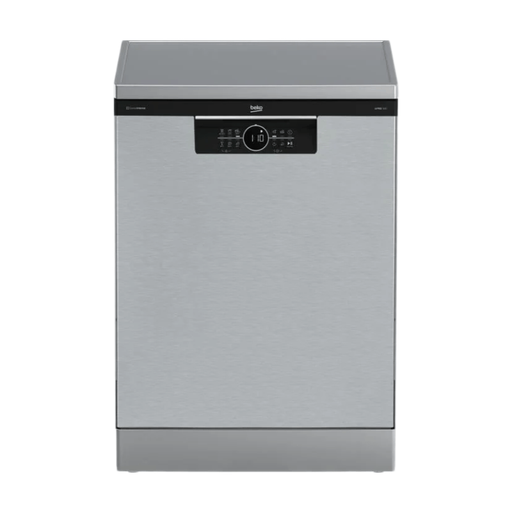
Beko BDFN26442XC CornerIntense integrated dishwasher, 59,8 cm

Beko BDFN26442XC CornerIntense, fully integrated dishwasher, 59,8 cm

A fully integrated model can keep your worktop clear if you have a suitable space for it.

The product description lists a width of 59,8 cm, SelfDry and a sliding cutlery basket. This isn’t a slimline dishwasher: check the alcove dimensions and make sure the basket will fit your lunchboxes.

View at Joybuy

Frequently asked questions

Is a dishwasher-safe lunchbox suitable for every programme?

No. Follow the care instructions for the container, lid, seal and any printed decoration separately. Mepal says its specified lunch products can be washed in a dishwasher, but its care advice makes an exception for one part of an insulated bottle. That isn’t a general rule for all lunchboxes.

What should I check before installing a dishwasher?

Check the instructions for the exact model against the available space and connections. Bosch recommends a stable, level installation. For a slimline freestanding model, also allow for the door opening and space for the hoses.

How do I keep my dishwasher working properly?

Clean the filters and spray arms according to the instructions, and use the eco programme when it suits the load. Consumentenbond offers dishwasher maintenance tips; dry lunchbox parts according to their own care instructions.

What does the energy label tell me about consumption?

The EU energy label includes information such as electricity use per 100 eco cycles and water use per eco cycle. These figures don’t directly show the consumption of every other programme or your personal costs; how often you use the machine and your tariffs also matter.

What are my rights when buying online in the Netherlands?

According to ACM ConsuWijzer, online purchases of products generally come with a statutory cooling-off period of up to 14 days after delivery, subject to exceptions. Your statutory guarantee is separate from any manufacturer’s guarantee: if a product doesn’t perform as you could reasonably expect under normal use, the seller must put things right.
