
Everyday wholemeal shopper
You’re looking for bread to enjoy with coffee and cake that also works with your usual meals. In that case, the ‘wholemeal’ label on the specific product matters more than the colour of the bread.


Choose wholemeal sliced bread if wholemeal is also important to you for your usual meals. Brown or white bread may better suit your taste or preferred texture, but check each product individually: ‘medium sliced’ on its own doesn’t tell you how thick the slices are. Check the ingredients too, and if iodine matters to your choice, look for a mention of baker’s salt.
You’re looking for bread to enjoy with coffee and cake that also works with your usual meals. In that case, the ‘wholemeal’ label on the specific product matters more than the colour of the bread.
You want a slice that’s enjoyable alongside coffee and cake. Check the bread or packaging if thickness and texture are important to you; without further product information, ‘medium sliced’ doesn’t tell you what the slices are like.
You need to check ingredients, allergens or baker’s salt. For packaged bread, read the current label; for unpackaged bread, ask about its ingredients.
For everyday use, start by choosing between wholemeal, brown and white bread, then pick the type of slice you enjoy with coffee and cake. Brown bread isn’t automatically wholemeal, so if you specifically want wholemeal, check the product label.
| What to consider | What to look for | Who it matters to |
|---|---|---|
| Bread type and fibre | Check for the ‘wholemeal’ label and compare fibre on the same basis, for example per 100 g. | If I eat this bread with my usual meals too, I want to know whether it really is wholemeal. For around 46% of consumers, bread type and nutritional information come first. |
| Slice and texture | Check whether the bread is sliced and assess the slices on the packaging or in store. | I want a slice I enjoy eating alongside coffee and cake. Texture and slice size are the main concerns for around 27% of consumers. |
| Quantity and availability | Choose a pack size that suits you and check what your usual shop has available. | I want to be able to buy bread in a quantity that suits how I use it. For around 27% of consumers, this practical choice matters most. |
Words such as ‘sliced’ and ‘fine’ don’t tell you how many millimetres thick the slices of a particular loaf are. So you can’t tell from the description alone whether the texture will suit you with coffee and cake.
Check the specific bread or its packaging. If it’s unpackaged, ask what slicing options are available.
According to the Voedingscentrum, bakers aren’t required to use baker’s salt. So the type of bread or a label such as ‘artisan’ doesn’t confirm whether it contains baker’s salt.
For packaged bread, look for baker’s salt in the ingredients list; for unpackaged bread, ask about it.
Brown bread can contain both wholemeal flour and white flour. A brown colour or the name ‘multigrain’ doesn’t replace the ‘wholemeal’ label if that’s what you’re looking for.
Check the product name and ingredients list, and compare the fibre in the nutritional information if needed.
The fresh bread range can vary between Lidl stores. Albert Heijn also points out that product ingredients, nutritional values and allergen information may change.
Check the current range and read the label on the pack you’re buying, especially if you need to check for an allergen or baker’s salt.
The online bread range includes various types of bread and sliced products.
The online range includes wholemeal, white and multigrain bread, available as whole loaves or sliced.
Lidl offers, among other things, freshly baked bread and packaged bread products.
The daily fresh range includes wholemeal and white bread, in various loaf formats.
The online wholemeal bread category includes whole and half loaves, among other options.
The bread category includes wholemeal, white, multigrain and sourdough bread, among other options.
These bread products are options to consider if you’re looking for bread for everyday meals and to enjoy with coffee and cake. Check the slices, ingredients and current packaging for each product individually.
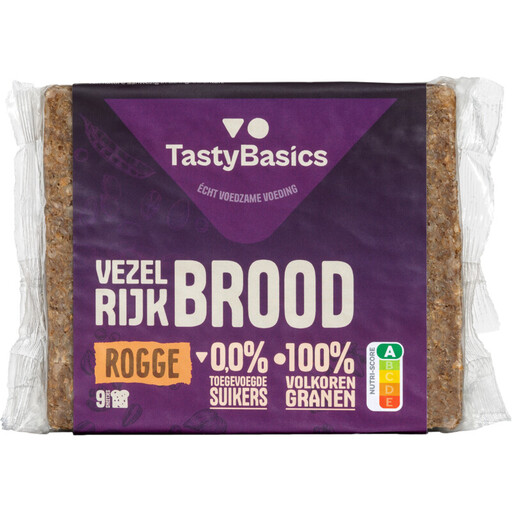 Image unavailable
If you’d like to serve rye bread with coffee and cake, check that the slice and texture suit your preference. Read the current packaging for ingredients, allergens and any mention of baker’s salt.
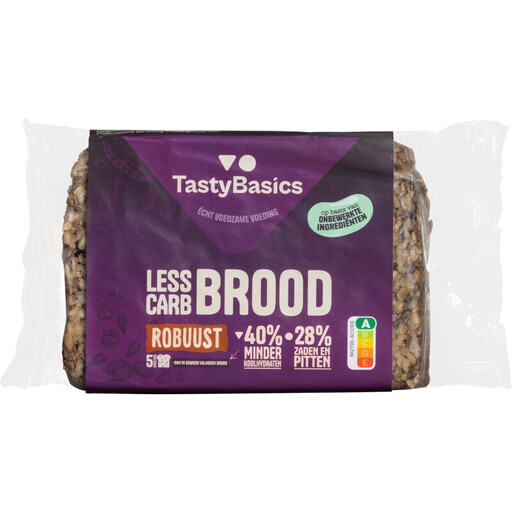 Image unavailable
If you’re looking for rustic bread for this occasion, check the packaging for details of how it’s sliced and what it contains. Check the current label if allergens or baker’s salt matter to your choice.
No. According to the Voedingscentrum, bakers aren’t required to use baker’s salt. For packaged bread, check the ingredients list; for unpackaged bread, ask which salt has been used.
Wholemeal bread is a good choice if wholemeal ingredients and fibre are particularly important to you. The Voedingscentrum gives 2.3 g of fibre per 35 g slice for fine wholemeal bread. Compare other breads on the same weight or portion basis, as slice weights can vary.
Read the label on the specific bread every time you buy it, even if you’ve bought it before. Ingredients and allergen information can change; Albert Heijn highlights this in its product information.