Looking for bread for everyday sandwiches and keeping an eye on fibre? Choose a loaf specifically labelled wholemeal: according to the Netherlands Nutrition Centre, wholegrain products contain more fibre than white-grain products. For a small top-up shop, choose a quantity you can use or freeze over the next few days. Check the slice thickness if you want medium-sliced bread, and read the latest packaging information if you have specific dietary requirements.
Who is this choice relevant to?
Everyday wholemeal shopper
You buy bread for breakfast or lunch and, when comparing options, want to focus mainly on the type of bread and its fibre content. The Netherlands Nutrition Centre highlights the difference between wholegrain and white-grain products.
Small-shopper stock-up
You’re buying bread to see you through until your next big shop. In that case, how much you can use in time or freeze matters more than taking a large loaf home.
Label-conscious shopper
Your choice depends on ingredients, gluten or other allergens. A loaf’s colour and the shop’s name won’t tell you whether an individual product meets your requirements.
What should you consider when choosing?
First decide which type of bread you’re looking for, then choose a quantity that suits how much you use and check the packaging for slice thickness and any dietary requirements.
| What to consider |
What to check when buying |
Who it matters to |
| Type of bread |
Look for the wholemeal label if you want wholemeal bread; don’t judge by a dark colour or the name ‘multigrain’ alone. |
For my everyday sandwiches, I mainly want to know what type of grain and flour I’m buying. This is the top priority for roughly 42% of consumers. |
| Quantity and storage |
Choose a half or whole loaf to suit how much you use, and consider which portions you can freeze straight away. |
If I’m only topping up on bread until my next shop, I want to avoid having slices left over. Managing my stocks is the main priority for around 33% of consumers. |
| Ingredients and allergens |
Read the current ingredients, allergen information and storage instructions; if choosing gluten-free bread, check the label on the packaging too. |
If I have a specific gluten or allergen requirement, I don’t want to rely on how the bread looks. Checking the label matters most to around 25% of consumers. |
Common mistakes
-
Mistaking dark or multigrain bread for wholemeal
A dark colour or the name ‘multigrain’ doesn’t tell you by itself whether a loaf is wholemeal. That distinction matters when you’re choosing your bread with its type and fibre content in mind.
Look for the wholemeal label and, if needed, read the ingredients list rather than relying on the front of the packaging.
-
Buying a whole loaf without a plan for the rest
If you’re just picking up a few things, some of the bread may go stale before you get round to eating it.
Choose a quantity that suits how much you use, or freeze portions soon after buying. Follow the storage instructions on the packaging.
-
Overlooking other allergens in gluten-free bread
A gluten-free label doesn’t mean that other allergens are absent. Storage instructions can also vary between products.
Every time you buy, check the current packaging for allergens, possible traces, and storage and defrosting instructions.
Supermarkets as a starting point
These shops offer a starting point for comparing types and sizes of bread; check the individual product for slice thickness and ingredients.
Albert Heijn
The online bread range includes wholemeal, spelt and sliced loaves.
- You can compare different types of bread side by side in the range.
- Check the individual product details and packaging for ingredients and slice thickness.
Jumbo
Jumbo has a dedicated online category for wholemeal bread.
- You can browse whole and half loaves for a top-up shop.
- Check whether each loaf is sliced and what slice thickness it comes in.
Lidl
Lidl lists, among other options, a sliced wholemeal loaf sold in store.
- A specific sliced option gives you a product to look for in store.
- Check the latest product information and slice thickness in store.
ALDI
The bread range includes, among other options, a sliced fine wholemeal loaf.
- You can also consider whether a whole or half loaf better suits how much you use.
- Check the packaging and current availability of the loaf you choose.
PLUS
The online bread category features a range of wholemeal and other breads.
- The range helps you choose a type of bread before looking at an individual product.
- Check the product packaging to see whether the bread is sliced and meets any allergen requirements you may have.
Dirk
The bread category includes wholemeal, white, multigrain and sourdough options.
- You can compare types and sizes of bread for a small top-up shop.
- Check whether the slice thickness of the individual loaf suits what you’re looking for.
Bread products on Joybuy
For a small top-up, you could also consider a pack of five. Check for yourself whether the type of bread, slice and quantity suit the sandwiches you want to make.
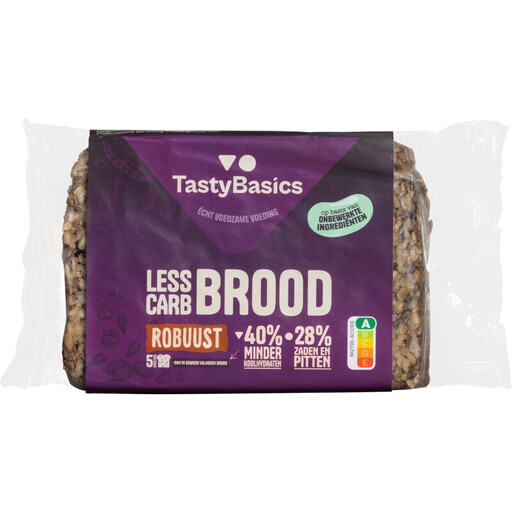 Image unavailable
TastyBasics Rustic Bread, 5 pcs
A pack of five could be a good fit if you’re buying bread to keep a small stock.
Check the slice thickness and wholemeal label if they’re important to your choice. If you have an allergy, read the latest packaging information.
View on Joybuy
Frequently asked questions
When should I choose wholemeal bread for my everyday sandwiches?
Wholemeal bread is a good choice if fibre is a consideration in your usual bread choices. According to the Netherlands Nutrition Centre, wholegrain products contain more fibre than white-grain products; check that the product is specifically labelled wholemeal.
How long can I keep opened wholemeal bread?
The Netherlands Nutrition Centre recommends keeping opened wholemeal bread in a kitchen cupboard for 2 to 4 days, or in the freezer for 1 to 3 months. Freeze portions if you won’t use the bread within a few days; for an unopened pack, follow the instructions and date on the product.
Is multigrain bread automatically wholemeal?
No, the name ‘multigrain’ doesn’t mean by itself that the bread is wholemeal. Check the product label and ingredients if you specifically want to buy wholemeal bread.
What should I check when buying gluten-free sliced bread?
Read the gluten-free label, ingredients, allergen information, possible traces, and storage instructions on the latest packaging. Gluten-free doesn’t mean other allergens are absent; freezing and defrosting instructions can also vary from loaf to loaf.


